

Wholesale Contactor Buying Guide: How to Choose the Best Supplier
2026-08-10
Contactors are the unsung heroes of electrical systems, but finding a reliable supplier can feel like navigating a maze. With countless options and hidden pitfalls, how do you know which partner won't let you down when it matters most? Whether you're upgrading industrial controls or sourcing for a new project, the right choice starts with understanding what sets quality apart. For over two decades, ETEK has been a trusted name in low-voltage electrical components, but even with a proven track record, we know that smart buyers ask the right questions. This guide cuts through the noise, giving you the insights you need to choose a contactor supplier that delivers on performance, reliability, and support.
Pinpointing Your Exact Contactor Specifications
Dialing in the right contactor isn't just about voltage and current ratings—it's about understanding how the device will behave under real operating conditions. Start by mapping out the load profile: is it resistive, inductive, or capacitive? A motor start-up, for instance, can draw six times its running current, so the contactor must handle those inrush spikes without welding contacts or overheating. Factor in the switching frequency as well; frequent cycling demands a contactor designed for high endurance, often with reinforced contacts and arc suppression. Overlooking these dynamics leads to premature failure, regardless of what the nameplate says.
Ambient conditions play an equally pivotal role, yet they're frequently treated as an afterthought. Dust, moisture, and extreme temperatures can silently derail performance. A contactor rated for 40°C might degrade rapidly in a foundry where ambient temperatures soar beyond 60°C, unless derating curves are carefully applied. Similarly, corrosive atmospheres demand sealed enclosures or specialty coatings to fend off contact oxidation. By treating the environment as a primary design input rather than a secondary check, you avoid the costly cycle of trial-and-error replacements.
Don't forget about compliance and auxiliary needs. Beyond basic certifications, certain installations require specific safety margins or fault tolerance levels—think of elevator controls or emergency disconnect systems. Auxiliary contacts for feedback, timers, or interlocking circuits can make or break a control scheme. Sketch out the full control narrative before settling on a part number. This holistic approach—blending electrical demands, physical realities, and functional requirements—transforms the selection process from a guess into a deliberate, reliable choice.
Digging Into Supplier Reliability and Track Record
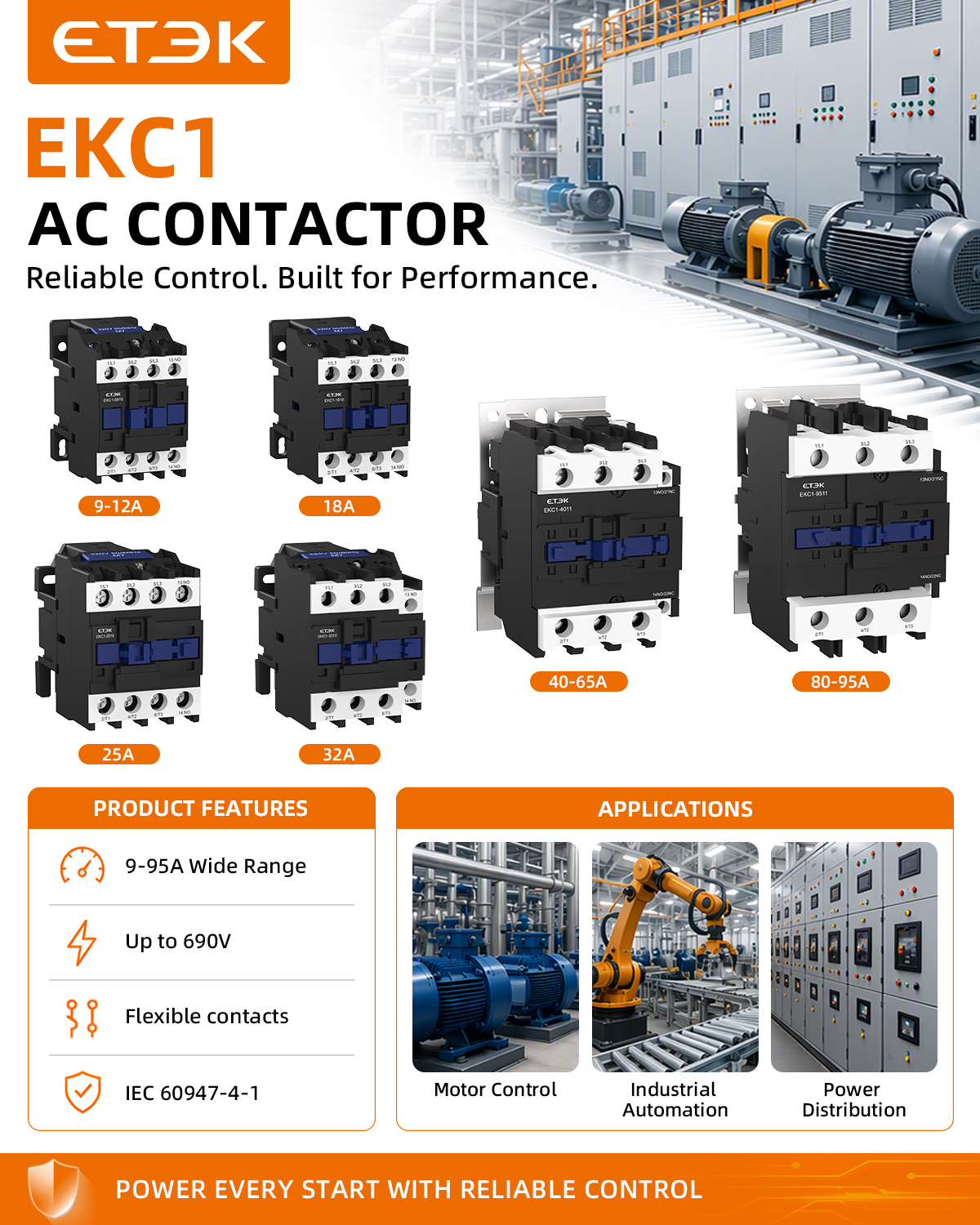
When evaluating potential partners, the story behind their past performance matters more than bold promises. Supplier reliability isn’t just about on-time delivery—it’s woven into every late-night email answered, every unexpected shortage handled without panic, and every quiet adjustment made to keep your inventory moving. A genuine track record reveals itself in the details: how a supplier weathered a global shipping crisis, whether they proactively communicated delays, and if they treated small clients with the same care as large ones.
Beyond the data sheets and metrics, look for patterns in how issues are resolved. Did they own up to mistakes quickly, or did excuses become routine? Talk to current and former clients not only about success stories but about the near misses—those moments tell you more about reliability than a flawless scorecard. Also, consider how long their key staff have stayed; a stable team often signals internal trust and consistent processes, while high turnover can hint at deeper problems you won’t see on a spreadsheet.
Ultimately, track record is built on relationships, not just transactions. Visit their facility if you can, or at least have an unscripted video walkthrough. Watch how their production floor reacts to your questions, notice the condition of their equipment, and observe how they treat their own workers. This granular, human-centric approach reveals whether they’re a partner who will quietly safeguard your supply chain or just another vendor chasing the next purchase order.
Evaluating Product Quality Beyond Certifications
Certifications can offer a helpful starting point, but they rarely tell the whole story. When we fixate on seals and stamps of approval, we might miss the subtle clues that reveal a product’s true character. Real quality often hides in the details that don’t make it onto a certificate: the way a fabric feels after the tenth wash, the smooth glide of a zipper after months of use, or the quiet hum of a motor that doesn’t grow louder over time. These are the things that define daily satisfaction, not a paper trail.
A smarter approach is to treat certifications as just one data point and then dig deeper. Look at how something is built—are the seams reinforced, the edges finished, the hardware solid? Pay attention to materials sourced thoughtfully rather than just meeting minimum standards. Customer reviews over months and years often expose flaws that a shiny certification cannot hide. Patterns in feedback—repeated mentions of fading, cracking, or loosening—are usually more honest than a lab report.
Ultimately, trusting your own experience and the collective voice of other users builds a more reliable picture. Try things hands-on when possible, or lean on video reviews that show products in motion. This doesn’t mean dismiss certifications entirely, but blend them with real-world evidence. It’s the difference between a quick snapshot and a long, honest look—and quality deserves the latter.
Uncovering the Real Cost of Ownership
When most people think about buying something big—a car, a house, even a piece of industrial equipment—they fixate on the sticker price. That upfront number feels concrete and manageable. But the real cost of ownership is a far more slippery beast. It includes everything from routine maintenance and energy consumption to insurance, depreciation, and the unpredictable sting of repairs. Over time, these ongoing expenses can quietly double or triple what you originally paid, turning a seemingly good deal into a financial burden.
Take a typical sedan: the purchase price might be $30,000, but over five years, fuel, tires, scheduled service, and insurance can easily add another $20,000. Then there’s depreciation—the silent value killer that nobody likes to talk about. The moment you drive off the lot, you’ve already lost thousands. In equipment-heavy industries, the gap is even wider. A cheap pump might save money initially, but if it guzzles power and fails frequently, the total lifecycle cost far outstrips a pricier, more efficient alternative. Smart buyers learn to ask for service records, energy ratings, and projected maintenance schedules before signing anything.
Factoring in the real cost of ownership forces you to look beyond the showroom shine and make decisions with your eyes wide open. It means calculating cost per mile, cost per hour of operation, or cost per square foot—whatever metric aligns with your actual use case. Sometimes, spending more upfront for reliability and efficiency is the most frugal choice in the long run. That shift in mindset separates those who merely acquire things from those who truly invest in lasting value.
Testing Customer Support Before You Commit
Jumping into a new product feels like a leap of faith, and nothing erodes that trust faster than hitting a wall when you need help. Before you sign on the dotted line, send a test query to the support team—pick a realistic scenario you’d face down the road. Notice how they respond: is it a real person who addresses your specific question, or does an automated reply bounce back, leaving you even more confused?
Pay attention to the clock. Fire off that email or live chat at an odd hour and see if you’re met with silence or a helpful hand. Some companies tout 24/7 availability but lean heavily on bots that loop you in circles. A quick, thoughtful reply from a human being—even with a short delay—tells you volumes about their commitment to keeping you afloat when things get tricky.
Finally, try to break something purposefully. Not malicious, but push the platform to a minor edge case—maybe a quirky integration or an unusual billing scenario—and see how the team reacts. The best support folks don’t just solve the issue; they make you feel heard and respected, not like a ticket number. That brief interaction is a preview of your entire relationship with the company, so if it leaves you uneasy, listen to that gut feeling.
Sealing the Deal with Smart Negotiation
Smart negotiation isn’t about squeezing the last cent out of a deal—it’s about crafting an agreement where both sides walk away genuinely satisfied. When you shift the focus from winning to solving problems together, you build trust that extends far beyond the signing table. Start by listening intently to what the other party truly values, then frame your proposals in a way that addresses those needs while protecting your own interests. The best negotiators ask open-ended questions that uncover hidden priorities and remain flexible on less critical points, reserving their firmness for the few things that matter most.
Preparation is the secret weapon of skilled negotiators. Before entering any discussion, map out your desired outcome, the minimum you’ll accept, and the trades you’re willing to make. Understand the market context and the other party’s likely constraints so you can propose creative options that feel like a win for them. When you present multiple offers simultaneously, you encourage collaboration rather than confrontation, because it signals you’re exploring possibilities rather than issuing ultimatums. Remember that silence can be powerful—after making a key point, pause and let it land; many deals are secured simply by giving the other side space to think.
The final stage of sealing a deal often hinges on handling objections with grace. Instead of defending a position, reframe objections as opportunities to refine the agreement. Use phrases like ‘if we can address this concern, would the rest of the proposal work for you?’ to keep momentum positive. Once you’ve reached consensus, recap the agreed points clearly but conversationally, leaving no room for misinterpretation. A warm, confident close—combined with a clear path to the next steps—turns a good deal into the beginning of a lasting partnership.
FAQ
Look beyond price. A trustworthy supplier offers clear technical documentation, responsive communication, and a track record of on-time deliveries. Check if they provide detailed specs, test reports, and are willing to discuss your specific application needs rather than just pushing inventory.
Inspect the build quality—weight, finish, and labeling are telltale signs. Request third-party test certificates for the exact batch. A reputable supplier will have no issue letting you examine random samples or visit their facility. Also, verify the supply chain: do they source directly from authorized manufacturers?
It depends on your volume and urgency. Manufacturers often have higher minimum orders and longer lead times but better pricing at scale. Distributors provide faster delivery, mix-and-match flexibility, and sometimes local stock. For complex projects, a distributor with engineering support can save you time.
UL, CE, and IEC ratings are the baseline. For harsh environments, look for vibration and humidity resistance certifications. If your application involves safety circuits, compliance with relevant functional safety standards is non-negotiable. Ask for documentation that maps the contactor to specific regional code requirements.
Come with a clear forecast and commitment. Suppliers are more likely to offer discounts if you can guarantee repeat orders or consolidated shipments. Focus on total cost of ownership—ask about warranty depth, return policies, and technical support. A slightly higher unit price can be worth it if it avoids costly downtime.
Ambiguous lead times, reluctance to share test data, or a history of last-minute substitutions are major warnings. Also, if they can’t provide a direct contact for technical questions, you’ll likely face headaches later. A supplier that pressures you to skip due diligence on specs or certifications isn’t worth the risk.
It’s critical. Even top-tier brands can have rare defects or compatibility issues. A supplier that offers quick replacements, technical troubleshooting, and on-site assistance can prevent days of lost production. Ask about their escalation process and average resolution time before you commit.
Conclusion
In the wholesale contactor market, selecting the right supplier demands a strategic approach that goes beyond price comparisons. Start by precisely defining your contactor specifications—voltage, current rating, coil type, and application environment—to avoid costly mismatches. However, specifications alone aren't enough; a supplier's reliability and track record are equally vital. Dig into their history, client feedback, and financial stability to ensure they can deliver consistently. Product quality should be scrutinized through hands-on testing and real-world performance data, not just relying on certifications that might mask hidden flaws. The true cost of ownership extends far beyond the unit price, factoring in energy efficiency, maintenance needs, and potential downtime. Before committing, put their customer support to the test with pre-sale inquiries to gauge responsiveness and technical expertise. Finally, smart negotiation isn't about simply driving down the price; it's about structuring terms that protect your interests—warranties, return policies, and delivery guarantees—while building a partnership that can adapt to your future needs. A holistic evaluation process transforms a simple purchase into a long-term advantage.
When evaluating suppliers, many buyers fixate on immediate costs but overlook the hidden expenses that accumulate over time. A contactor with a lower upfront price might consume more energy or fail prematurely in demanding conditions, leading to replacement and labor costs that dwarf the initial savings. That's why testing customer support beforehand is crucial; a supplier who offers rapid technical assistance and flexible returns can minimize operational disruptions. Ultimately, a successful procurement strategy blends meticulous research with assertive yet collaborative negotiation. By aligning your exact specifications with a supplier's proven capabilities, and weighing total lifecycle costs against support quality, you secure not just contactors but a reliable component of your supply chain. This comprehensive approach ensures that your choice withstands the test of time, delivering performance and peace of mind in every application.
Contact Us
Contact Person: Andy
Email: [email protected]
Tel/WhatsApp: +86 13356133008
Website: https://www.etek-china.com/