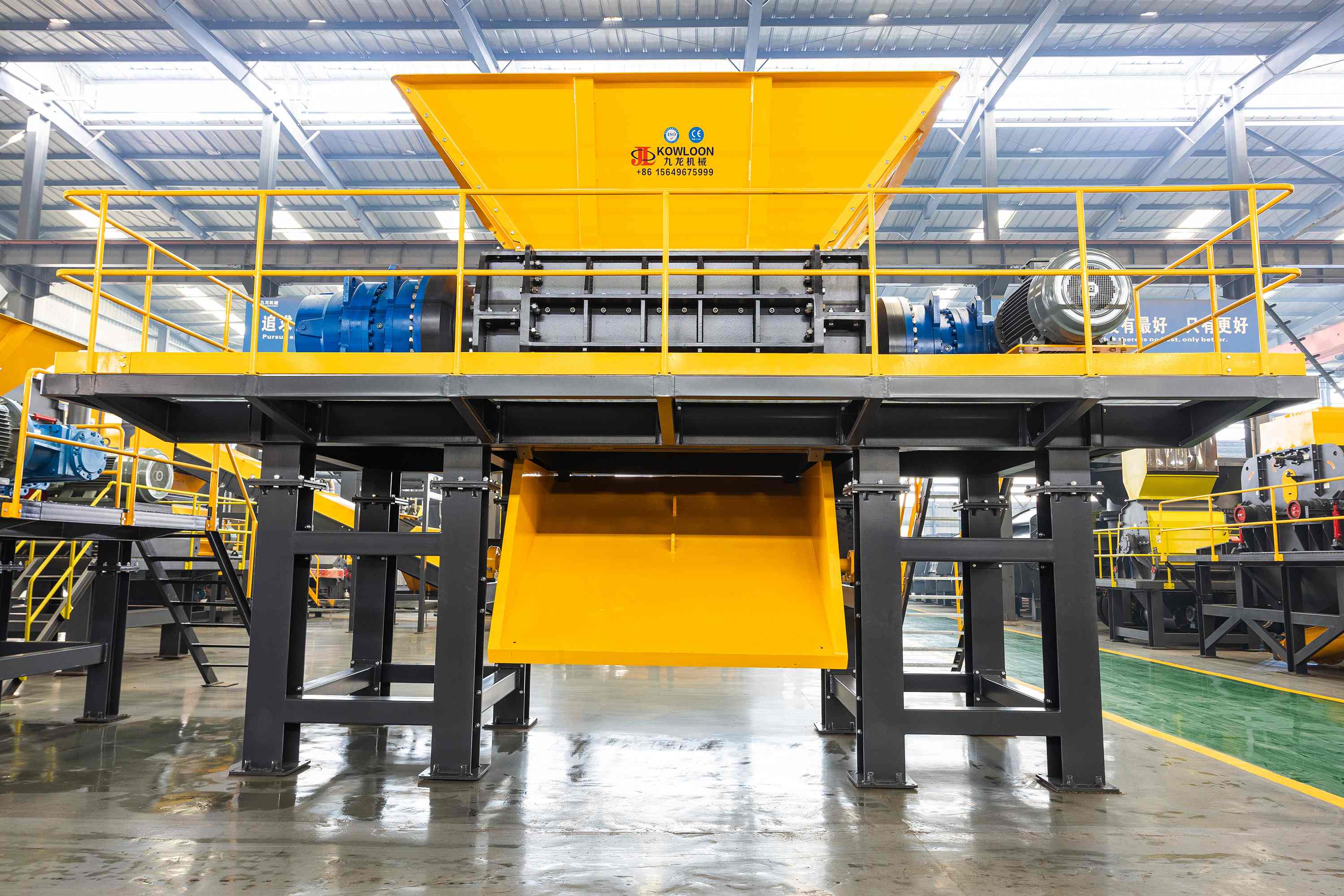

Tub Grinder Factory: A Behind-the-Scenes Look at How These Industrial Machines Are Built
2026-05-29
Ever wondered what it takes to build the massive tub grinders that turn mountains of wood waste into valuable mulch? Step inside the factory where engineering meets brute force, and discover how Kowloon Machinery crafts these industrial beasts with precision and grit. From raw steel to the final roar of the engine, this behind-the-scenes look reveals the hidden details that make all the difference on the job site.
Anatomy of a Tub Grinder: Dissecting the Blueprint
At first glance, a tub grinder looks like a colossal metal beast, but its design follows a surprisingly logical blueprint. The heart of this machine is the hammermill, a rotating drum studded with heavy-duty hammers that pulverize material against a rigid anvil. What truly sets a tub grinder apart is the namesake tub itself—a slowly rotating steel shell that funnels everything from whole logs to pallets toward the grinding chamber, using gravity and centrifugal force to keep the feed consistent. Unlike horizontal grinders, this top-loading approach eliminates the need for a complex feed system, making it simpler to maintain on rugged job sites.
Deep inside, the real magic happens around the screen system that cradles the hammermill. These curved, perforated plates dictate the final particle size, acting as a sieve that holds material in the chamber until it’s small enough to slip through. Operators can swap screens to shift from coarse mulch to fine sawdust in under an hour, a flexibility that turns a single grinder into a multi-tool for different markets. However, the blueprint demands a careful balance: too tight a screen, and you risk clogging; too open, and oversized chunks escape—so the engineering focuses on optimizing the gap between hammer tips and screen, often adjustable on the fly.
Beyond the grinding core, the tub grinder’s undercarriage and conveyor layout reveal how it survives daily abuse. A beefy belt or chain discharge system hauls processed material up and out, often folding hydraulically for transport, while the entire mill unit tilts open like a clamshell for quick hammer changes. Smart design touches—like reinforced tub rims that resist warping from side-loaded stumps and segmented anvils you can rotate to expose fresh wear edges—show that every part of this blueprint was refined by decades of trial in the dirt.
Raw Steel, Raw Power: Fabricating the Skeleton
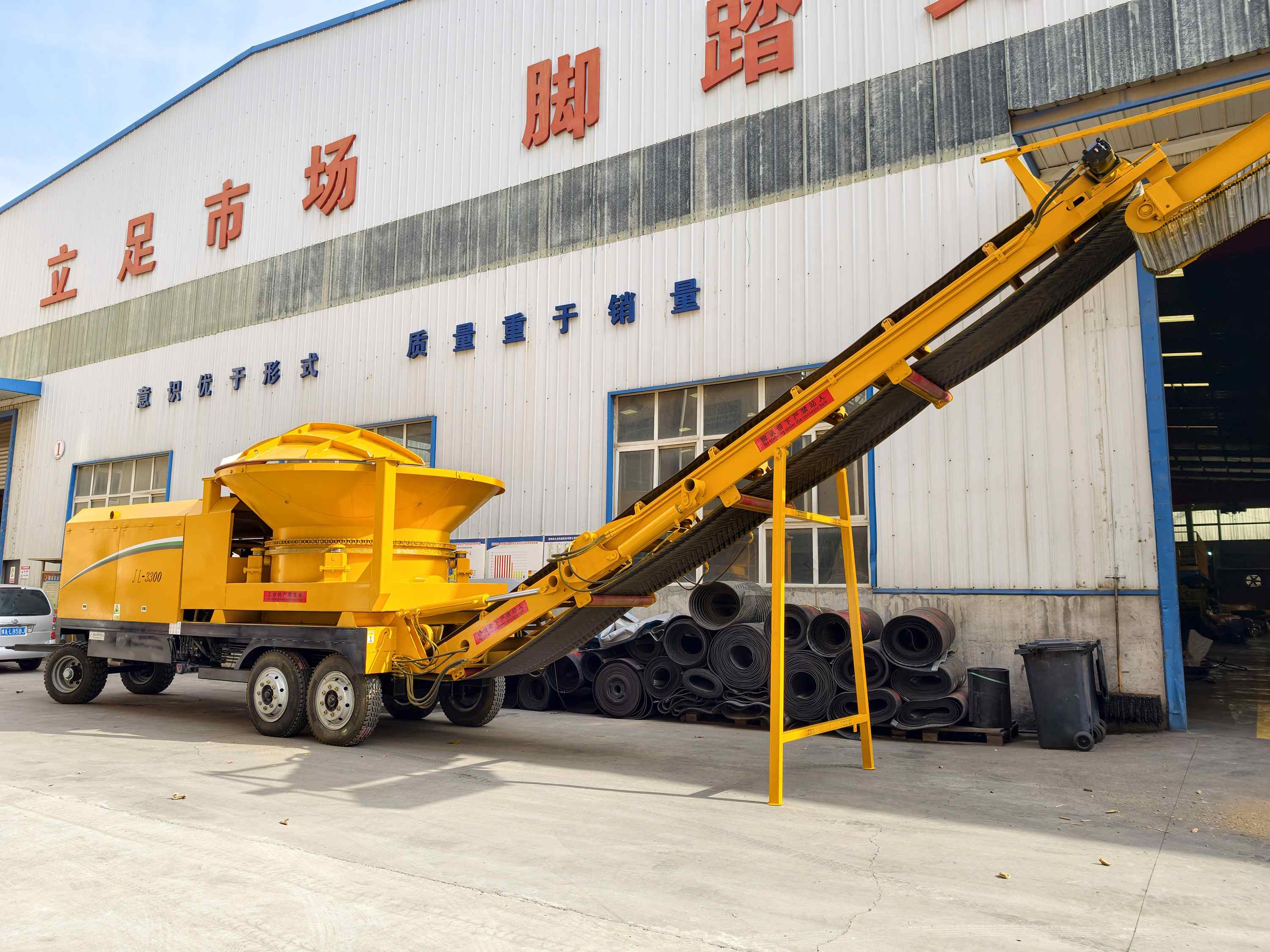
There’s something primal about watching raw steel arrive at the fabrication yard—stacked in long, dull-gray beams, still carrying the heat of the mill in its memory. It doesn’t arrive with elegance, but with weight. Each beam is a promise of strength waiting to be shaped, drilled, and welded into the bones of a structure that will one day scrape the sky or anchor a bridge against roaring currents. The process starts rough, with chalk lines snapped across heavy plates and torches hissing through thick webs, carving out the first impressions of what will become a building’s sinew and spine.
Fabricating the skeleton demands more than precision—it demands a deep understanding of how forces travel. Every angle, every bolted connection, every stiffener plate is a response to tension, compression, and torsion. Welders move like sculptors, laying down beads of molten metal that fuse joints meant to hold for generations. In the staging area, massive girders lie sideways, their camber carefully set to counteract future loads, making the steel seem almost alive with intent. There’s no room for the timid here; the work respects only those who respect the material’s raw, unyielding nature.
Once the fabricated assemblies leave the shop, they become something else entirely—a silent testament to the raw power now tamed and ordered. Cranes lift these multi-ton sections into place, and the steel’s voice becomes part of a larger structure, hidden behind facades yet never forgotten. The skeleton doesn’t ask for attention; it just stands there, handling storms, quakes, and decades of use without flinching. That’s the quiet genius of raw steel shaped by hands that know its language: it turns a drawing into a defiant act against gravity, a balance between brute force and careful craft.
Welding Sparks and Steady Hands: Building the Frame
Every frame starts with a bright flash and a shower of sparks, but it's the steady hands that turn scattered light into something solid. The welder’s torch isn’t just a tool—it’s an extension of the body, tracing blue lines on steel with patient arcs. There’s a rhythm to it: ignite, flow, cool, inspect. Rushed work warps, but deliberate movements let the metal settle into its intended shape.
The frame takes form through a series of quiet decisions. A slight adjustment in torch angle can mean the difference between a brittle joint and one that carries weight without complaint. Hands that have done this a thousand times know when to push the puddle, when to let it breathe. The steel itself gives cues—a color shift from cherry red to dull grey, a subtle crackle as it cools—and reading them becomes second nature.
In the end, what stands is more than geometry. It’s a collection of fused moments, each bead of weld a record of heat and pressure transformed into strength. The builder’s touch lingers in the subtle ripples along each seam, telling a story of patience that outlasts the sparks that started it all.
The Rotor’s Secret: Balancing Brute Force and Finesse
The easiest mistake with any rotor is assuming that raw power solves everything. Cramming more torque into the shaft or pushing rotational speeds higher can mask the real issue: without careful weight distribution, even the most brutal engine turns into a liability. The secret isn't in dialing down the force, but in shaping it so every revolution works with the structure instead of against it.
That’s where finesse enters the equation. Subtle adjustments in blade geometry, material density shifts, or even the way a bearing seats can redirect kinetic energy rather than fight it. A rotor that hums at full tilt doesn't simply survive the stress—it translates that brutality into a clean, predictable motion that the whole system relies on.
Beyond the Manual: The Human Touch in Automation
Automation, for all its precision, can’t replicate the instinctive decision-making that comes from years of hands-on experience. A machine can follow a script, but it doesn’t sense the subtle shift in a client’s tone or know when to bend a rule to preserve a relationship. That’s where people still matter—reading between the lines, adjusting in real time, and adding warmth to processes that would otherwise feel cold and transactional.
Think about the last time a support ticket was resolved not by a flowchart but by someone who genuinely listened. That kind of care isn’t programmable; it’s human. When we blend automation with empathy, we’re not just speeding things up—we’re building trust. The trick is designing systems that free people to do what they do best, instead of trapping them behind screens, clicking through predefined steps.
In fields like healthcare, finance, or even creative work, the human touch turns routine outputs into meaningful outcomes. It’s the nurse who holds a hand after the monitor beeps, the advisor who hears what’s left unsaid, the designer who knows when to break the grid. Automation handles the heavy lifting, but people provide the soul. Striking that balance isn’t about rejecting technology—it’s about remembering why we started building it in the first place.
Trial by Timber: Pushing the Machine to Its Limits
The crew had been waiting for this moment all morning. A fresh stack of knotty, twisted hardwood logs loomed next to the prototype, each piece deliberately chosen to give the machine hell. The air filled with the sharp scent of sap as the first log rolled into the feed chute. There was no gentle start—just a sudden, brutal engagement that made the steel frame groan. Everyone felt their pulse quicken. This wasn't a factory demo; it was a raw, all-out fight between engineering and nature, and the outcome was anything but certain.
Within minutes, the machine was chewing through timber at a pace that surprised even its builders. Chips flew like shrapnel, and the sound morphed from a steady hum into a throaty roar. But pushing the limits always carries a price. Midway through the pile, the temperature gauge edged into the red, and the feed mechanism started to stutter—a clear sign that the hardened steel blades were starting to lose their edge. Instead of backing off, the operator leaned in, tweaking pressure settings on the fly. Smoke began rising not from the motor, but from the wood itself, resin vaporizing under the strain. The machine teetered on a razor's edge, threatening to either triumph or tear itself apart.
When the last log finally disintegrated, silence fell over the test yard. The machine sat there, cooling, its paint blistered near the cutter head, but the heart of it still ran true. In that brutal trial, it had revealed more than any spec sheet could: the true torque curve under load, the wobble in the drivetrain at peak stress, the surprising stubbornness of a design that refused to quit. There would be tweaks—blade geometry to rethink, cooling passages to enlarge—but everyone present understood that machines, like people, only find their edge when they're forced to dance on it.
FAQ
Heavy-gauge steel plates, high-grade alloy wear parts, and massive bearings are among the first things you'll see on the receiving dock. These aren't off-the-shelf components; many are custom-sourced to handle the relentless abuse these machines take.
The tub is a masterclass in fabrication. Instead of simple butt joints, you’ll often find overlapping, beveled seams welded from both sides. This creates a stress-resistant shell that won’t crack under the vibration and twisting forces during operation.
Without a doubt, it’s marrying the tub to the mill shaft and bearing housing. A misalignment here, even by a fraction of a degree, leads to catastrophic wear on the hammermill rotor. Laser alignment tools are used religiously to ensure perfect concentricity.
Each massive rotor, with its rows of swinging hammers, is dynamically balanced on a specialized machine. Small tungsten weights are welded into exact positions to counteract any imbalance, which is crucial for preventing destructive vibration at high RPMs.
A new machine is run dry for several hours with a focus on bearing temperatures, hydraulic pressures, and vibration signatures. Some factories even feed a controlled batch of material through it, analyzing throughput and particle size before signing off on performance.
Look for the intricately routed hydraulic lines with burst protection sleeves and the strategically placed emergency stop cabling that surrounds the entire infeed. Also, the tub cover isn’t just a lid; it's a heavy-duty barrier engineered to contain thrown objects and dust.
Conclusion
The creation of a tub grinder begins with detailed blueprints that dissect every component, from the massive tub to the grinding mechanism. In the factory, raw steel arrives and is cut, shaped, and formed into the skeleton of the machine. Skilled workers operate heavy machinery to fabricate the frame, ensuring structural integrity. Welding sparks fly as steady hands join the pieces, building a rigid foundation that can withstand immense stress. This stage demands precision, as even minor misalignments could compromise performance.
The heart of the tub grinder lies in its rotor, a component that demands a delicate balance between brute force and finesse. Engineers carefully design and assemble the rotor, attaching hammers or teeth that will pulverize wood and debris. While automation aids in repetitive tasks, human judgment remains irreplaceable; technicians manually adjust and fine-tune components to achieve optimal balance. Once assembled, the machine faces the ultimate test—trial by timber. It is fed a relentless stream of logs and stumps, pushing the grinder to its limits. The roar of the engine and the shower of wood chips confirm that the machine is ready for the field, embodying both raw power and meticulous craftsmanship.
Contact Us
Contact Person: Ray
Email: [email protected]
Tel/WhatsApp: +86 13733817580
Website: https://www.zzkowloon.com/