

Top Waxed Corrugated Boxes to Consider for Your Shipping Needs
2026-06-18
When shipping items that are prone to moisture damage or need extra structural integrity, not just any box will do. Waxed corrugated boxes offer that critical edge—resisting water, oil, and crushing to keep your goods safe in transit. But with so many styles and suppliers out there, where do you start? We've sifted through the top contenders, including reliable picks from ShiTeng Packaging, so you can move past the guesswork and choose a box that actually holds up when it counts.
What Makes Waxed Corrugated Boxes a Smart Choice for Shipping
When shipping goods, especially in humid or wet conditions, the packaging must hold up. Waxed corrugated boxes bring that extra layer of moisture resistance, preventing warping and softening even when exposed to rain or condensation. They keep contents dry and structurally sound, reducing the risk of damage during transit.
Beyond moisture, these boxes offer impressive durability. The wax coating strengthens the corrugated fibers, allowing the box to maintain its shape under stacking pressure. This makes them reliable for heavy items or long-distance journeys where standard boxes might collapse. Many suppliers appreciate how they can be reused several times before showing significant wear.
Cost-effectiveness also plays a role. While the upfront price is a bit higher, fewer damaged shipments mean lower replacement costs and happier customers. For businesses shipping produce, seafood, or industrial parts, waxed corrugated boxes provide a practical solution that balances protection and expense.
Key Features That Set Quality Waxed Boxes Apart
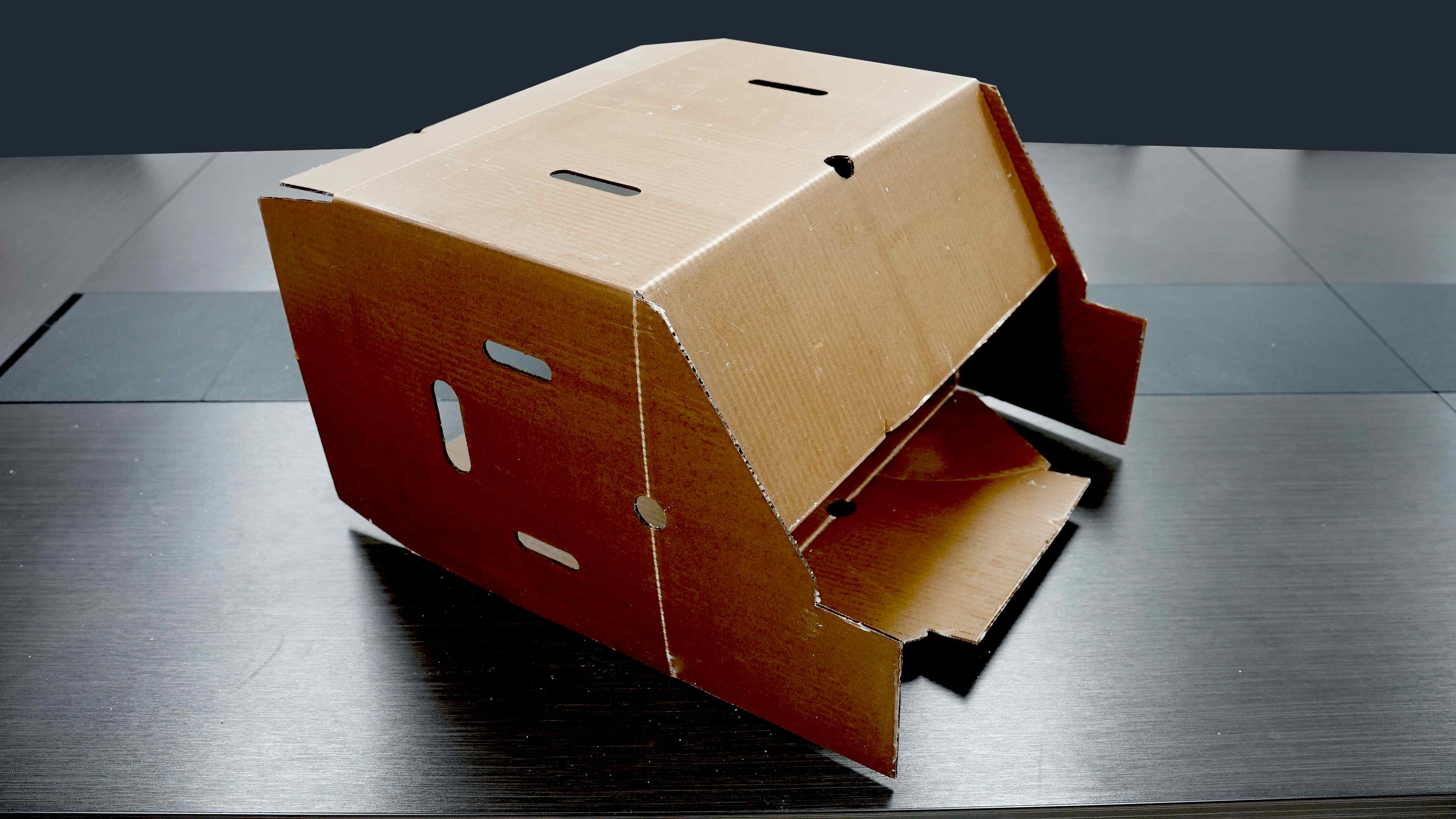
A truly premium waxed box reveals itself through the quality of its coating. Lower-tier options often develop unsightly cracks or flake off after minimal handling, but a well-crafted wax layer bonds seamlessly with the substrate, forming a pliant shield that resists moisture and abrasion. This flexible barrier not only preserves the box's structural integrity but also contributes to a subtle, pleasing texture that invites touch without feeling greasy or tacky.
Beyond surface resilience, the material beneath matters just as much. Quality boxes typically use dense, long-fiber paperboard that maintains its shape under pressure, while inferior ones may warp or collapse. The wax itself should penetrate just enough to reinforce the fibers without causing them to become brittle. When you run a finger along the edges, a well-made waxed box feels uniformly smooth—no rough patches or uneven buildup—signaling careful manufacturing and attention to detail.
How to Match the Right Waxed Box to Your Product Type
Waxed boxes aren't a one-size-fits-all solution, and overlooking your product's specific needs often leads to wasted materials or damaged goods. Start by assessing physical traits: if you're packaging heavy machinery parts, opt for double-walled corrugated with a moisture-resistant wax finish that won't buckle under weight. For lightweight, oddly shaped items like dried florals, a single-wall box with a softer wax layer helps absorb gentle bumps without adding pointless bulk.
Pay just as much attention to how your product interacts with its container over time. Food items, especially those with high fat or acidity, demand a food-grade paraffin coating to prevent leaching and maintain freshness—skip the generic industrial wax. Meanwhile, objects with sharp edges, like metal brackets, will quickly scrape through a thin barrier; here, a reinforced edge protector under the waxed surface is worth the extra cent. The goal is to match the box's durability and interior tolerance to your product's worst-case scenario, not its average day.
Durability Factors You Shouldn’t Overlook
Many people focus on surface-level strength, but real longevity often hinges on the quiet work of components you rarely see. The way joints are fastened, for instance, can make or break a product’s life span. A tightly sealed seam might resist moisture for years, while a poorly fitted one invites slow decay. It’s the small, almost invisible decisions that accumulate into lasting resilience.
Material choice is another layer that’s easy to simplify. It’s not just about picking the toughest option, but matching the material to the specific wear it will face. For example, an outdoor piece exposed to salt air needs more than just a thick coat of paint—it demands a substrate that won’t quietly corrode from the inside out. Overlooking this match leads to failures that seem sudden but have been decades in the making.
Finally, how a product ages gracefully under repeated, everyday stress matters more than a flashy warranty. The subtle softening of a handle, the way a drawer’s glide holds up after thousands of cycles—these are the true tests that separate enduring design from short-term polish. They don’t scream for attention, but they quietly define whether an item becomes a lifelong companion or just another replacement waiting to happen.
Simple Packing Tricks to Maximize Protection
When it comes to safeguarding your belongings during a move, a little strategic layering goes a long way. Start by treating the bottom of every box like a shock absorber—crumpled packing paper, a folded towel, or even a layer of clothing can cushion against jolts. For fragile items, think double-wrap: first a snug layer of bubble wrap, then a soft fabric sleeve like a t-shirt, which adds grip and prevents slipping inside the box. This method costs next to nothing and turns ordinary materials into a custom-fit cocoon for your valuables.
Another overlooked trick is the “no empty seat” rule. Gaps inside boxes invite shifting, which leads to breakage, so fill every crevice with socks, scarves, or crushed paper. Stack plates vertically like records rather than flat, using foam dividers or even sturdy cardboard strips between each piece. Seal with heavy-duty tape along all seams, and don’t forget to label which side should stay up. These small, deliberate steps can mean the difference between a flawless unpacking and a pile of shattered reminders.
Eco-Friendly Waxed Boxes: What’s Worth Noticing
When you first encounter eco-friendly waxed boxes, the immediate appeal is the blend of durability and environmental consciousness. Unlike traditional packaging that often relies on plastic coatings, these boxes use natural waxes—like soy or beeswax—to achieve water and grease resistance. This means the entire package remains biodegradable or compostable, sidestepping the persistent waste issues tied to mixed-material alternatives. What’s especially intriguing is how the wax application doesn’t compromise the box’s structural integrity; it actually enhances it, making the boxes suitable for everything from fresh produce to takeaway meals.
Another subtle but practical detail is the tactile experience. The waxed surface has a soft, almost velvety feel that sets it apart from standard cardboard, and it doesn’t become soggy even when holding cold or oily foods. Many users also note the faint natural scent—a reminder that the materials haven’t been doused in synthetic chemicals. For businesses, these boxes aren’t just a sustainability checkbox; they become a quiet branding opportunity. Custom stamps or simple logos hold well on the waxed finish, offering a rustic yet refined look that resonates with customers who value mindful packaging.
FAQ
The wax coating penetrates the fibers, creating moisture resistance that plain corrugated lacks. This means they hold up in damp environments and can even repel light spills without turning into a soggy mess.
Waxed boxes are ideal when you need sturdy, single-use packaging that costs less than plastic and breaks down faster. They're a go-to for shipping produce, seafood, or frozen goods where venting and insulation matter but you don't want permanent containers cluttering your supply chain.
You'll see them everywhere from agriculture and fishing to meat processing and industrial part distribution. Basically, any sector that ships goods with high moisture content or rough handling needs finds them indispensable.
Check the edge crush test rating and the box's flute profile. Double-wall construction with a heavy wax application holds up better for dense items, and you'll want handholds or reinforced corners if the load exceeds 50 pounds.
It's tricky. Some curbside programs reject them because the wax can clog pulping machinery, but many commercial composting facilities accept them. Always verify local guidelines or look for boxes with a plant-based wax coating, which breaks down more readily.
Look for boxes labeled for wet and cold environments—they typically have a higher wax saturation. Brands like IPG's K-Nation or PCA's AquaShield line are well-regarded for maintaining strength even after freeze-thaw cycles.
Absolutely, as long as they're properly sized and packed. The wax adds scuff and moisture resistance, so they arrive looking decent even after weeks in transit. I've seen them survive monsoon seasons when pallets were properly wrapped.
Work with a supplier that offers tailored die-cut shapes or multi-depth scoring. For oddly shaped items, foam inserts or dividers coated in a compatible wax can be added, and some companies print directly on the waxed surface with flexible inks.
Conclusion
Waxed corrugated boxes stand out for shipping because they combine water resistance with structural toughness, making them ideal for products that face moisture or rough handling. Unlike standard cardboard, the wax infusion creates a barrier that repels liquids while maintaining crush strength, which is critical for everything from fresh produce to industrial parts. Quality boxes typically feature consistent coating, clean creases, and tight seams—details that directly affect stacking performance. Matching the box to your product isn’t just about size; you’ll want to consider the wax type, as some formulations grip better for heavier loads while others release easily for delicate items. A well-chosen box doesn’t just fit—it actively reduces movement and prevents internal damage.
Durability goes beyond the thickness of the board. Look for boxes with reinforced corners and edges that hold up to vibration during transit, and don’t underestimate the role of proper packing. Simple additions like wax-coated dividers or paper cushioning can elevate protection without adding bulk, especially when used to fill gaps and stabilize layered shipments. On the sustainability front, modern waxed boxes are gaining attention for their recyclability—many are now treated with repulpable coatings that break down in standard mills, aligning with greener logistics practices. Paying attention to these details means you’re not just choosing a container, but a shipping system that balances strength, adaptability, and a lower environmental footprint.
Contact Us
Contact Person: Mr. Ge Man
Email: [email protected]
Tel/WhatsApp: 8613710506492
Website: https://www.shitengzx.com