

Top 10 Container Refrigeration Room Evaporator Units for Reliable Cold Chain Performance
2026-11-21
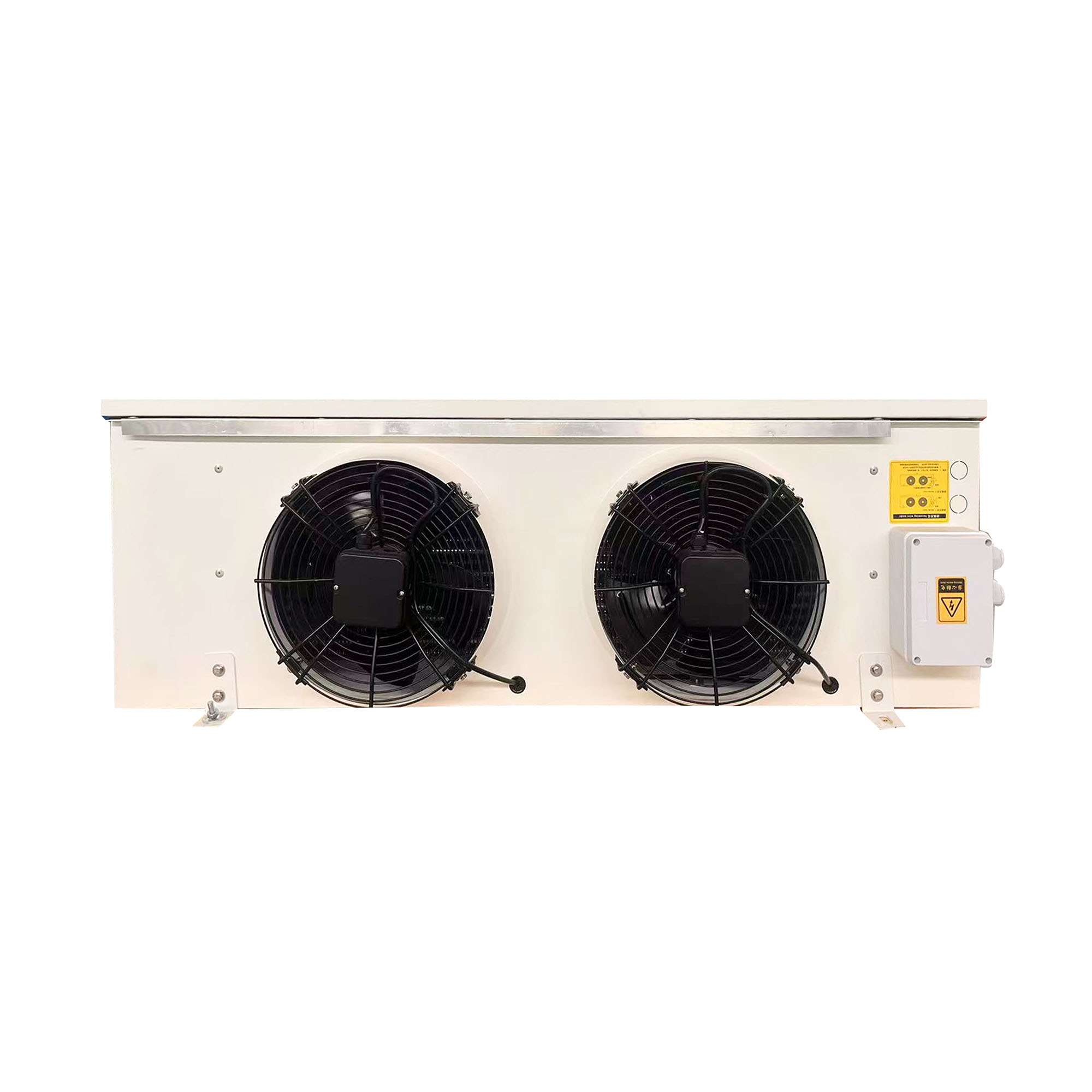
Cold chain failures rarely announce themselves—they show up as spoiled cargo, rejected shipments, and margins that quietly melt away. The evaporator unit sits at the center of that risk, and the right choice comes down to how steadily it performs when a reefer is running hard, not just how it reads on a spec sheet. In this list, we look at ten container refrigeration room evaporator units that have earned their place in demanding cold chain operations, including proven options from PAULAIR that continue to show up where reliability matters most.
Matching Evaporator Output to the Cargo You Actually Haul
Most reefer specs still chase peak pull-down numbers, but the real question is whether the evaporator can hold steady-state temperature against the heat a given load actually produces. A load of leafy greens calls for a different balance than palletized dairy or frozen boxed meat. Matching output means reading the cargo's respiration rate, not just the trailer's nameplate BTU rating.
Airflow often matters more than raw capacity once the box is at temperature. Tightly packed produce can block return air and create warm pockets even when the unit cycles fine on paper. Adjusting evaporator fan speed, using proper floor channeling, and leaving headspace lets the coil absorb heat where it accumulates instead of overcooling the air near the sensor.
Then there is the defrost side. Hauling frozen goods with an evaporator tuned for fresh produce can shorten cycles and introduce temperature swings that damage cargo near the doors. Knowing what you actually haul daily means you can size, set, and maintain the evaporator around that duty cycle rather than treating every load like the same generic box.
Airflow Distribution Problems That Cause Hidden Hot Spots
Plenty of data halls look fine on a floor plan while still running a few racks far warmer than the return-air sensors suggest. The trouble starts when cold supply air never actually reaches the equipment that needs it. Instead, it spills through unsealed cable cutouts, leaks around misaligned floor tiles, or gets pulled straight back to the CRAC units through low-resistance paths. Those losses are easy to miss because the room average stays acceptable, but a cluster of servers can sit in a slow-moving pocket of recirculated exhaust.
Uneven tile placement and poorly positioned perforated panels create further complications. A row of high-density cabinets may be drawing more air than the nearest grilles can deliver, so it pulls warm discharge over the top of the racks or around the ends of the row. Missing blanking panels inside cabinets allow hot air to loop from the rear to the front intakes, producing elevated inlet temperatures that never show up at the wall thermostat. Under-floor obstructions, such as bundled cables or chilled-water pipes, also redirect airflow before it reaches the cold aisle.
A more useful check is to walk the aisles with a handheld temperature probe at different heights and compare front-rail readings, not just room-level averages. When the temperature climbs near the top third of a rack or at the end of a row, that usually points to an airflow shortfall rather than a cooling capacity problem. Fixing hidden hot spots often involves sealing leaks, rearranging perforated tiles, installing blanking panels, and balancing under-floor pressure so supply air is pushed toward the cabinets that actually need it.
Why Coil Metallurgy Matters More Near Saltwater Routes
Salt spray is rarely just water. Along coastal roads, marine layers, and shoreline stretches, the air carries fine chloride particles that settle into crevices, insulation gaps, and terminal junctions. A coil that survives inland for years can begin showing white bloom, pitting, and green corrosion within months when it is regularly exposed to that mix of moisture and salt. The failure often starts small: a thin spot in the winding, a weakening splice, or a surface crack that invites deeper oxidation.
Metallurgy changes this timeline. Alloys with a tighter grain structure and a higher resistance to chloride attack, such as certain cupronickel or treated aluminum grades, hold their surface oxide layer longer. That layer acts as a barrier, but only if the base metal is stable enough to repair it after minor scratches or thermal expansion. Cheaper copper windings can still corrode near saltwater not because the copper itself is weak, but because galvanic reactions between dissimilar metals accelerate once salt deposits form a conductive film.
There is also an electrical dimension. Corrosion on a coil does not just create visible rust; it changes contact resistance and can disturb the coil's intended impedance. In humid, salt-heavy air, those shifts tend to be worse because the contamination never fully dries. Equipment that runs near saltwater routes therefore benefits from coil materials chosen less for initial cost and more for long-term surface stability under continuous chloride exposure.
Defrost Controls That Avoid Sharp Temperature Spikes
Defrost cycles tend to become harsh when they rely on a single timed heater burst. The moment the element switches on, the air temperature jumps and everything near the coil absorbs that sudden change. Splitting the cycle into short, sensor-guided pulses changes the behavior. The control board checks the coil temperature after each pulse and only continues if frost is still present, so heat never accumulates faster than the meltwater can carry it away.
A slower ramp also helps. A lower wattage heater, or a standard one that is cycled in narrow intervals, keeps the surface temperature below the point where residual ice flashes into steam. That is the kind of spike that warps plastic liners, softens the edges of frozen food, and stresses drain fittings. With a gradual rise, the drain path gets enough time to keep up instead of being overwhelmed by a sudden rush of warm water.
Finally, a short settling period before the fan restarts keeps the remaining warm, humid air from being pushed through the cabinet. The coil is allowed to cool slightly and the meltwater drains away first. This small delay does more for temperature stability than a larger heater ever could, because the defrost event stays local instead of becoming a cabinet-wide thermal jolt.
How Fan Motor Selection Changes Lifetime Energy Costs
Most facility owners focus on the purchase price of a fan motor, but that figure is almost misleading when you consider how long the equipment runs. A motor that costs slightly more upfront can easily pay for itself several times over through lower electricity consumption, especially in systems that operate continuously or for extended hours each day. The real expense isn't the motor itself, it's the energy it draws year after year.
Efficiency ratings like IE3, IE4, or NEMA Premium are not just labels. Choosing a higher-efficiency motor reduces the kilowatt-hours consumed at the same airflow and static pressure, which directly lowers the utility bill. Even a two or three percentage point improvement in efficiency becomes significant when multiplied by thousands of operating hours. Over a typical ten-year service life, the difference can amount to more than the cost of the entire fan assembly.
There's also the matter of right-sizing and control. Oversized motors running below their optimal load point waste energy and generate unnecessary heat. Pairing a properly sized motor with a variable frequency drive allows the fan to match output to actual demand rather than running at full speed constantly. Those operational choices, made at the selection stage, shape the lifetime energy profile far more than most people expect.
Condensate and Ice Prevention Starts With Mounting and Slope
Most condensate problems don't start with the drain pan or the trap. They start with how the unit was set. A slight tilt toward the wrong corner, a bracket that flexes under load, or a drain line that levels out for even a short run is enough to let water sit. That pooled water picks up debris, narrows the passage, and turns into a freeze point when cold air moves through.
Slope should be checked as a continuous fall, not just a measured drop at the ends. A line can have the right total pitch and still hold water in a low spot that formed between supports. Those low spots are where ice builds first, and once a small plug forms, the rest of the line backs up quickly. Pulling a string line or using a digital level along the full run shows problems that a quick glance misses.
Mounting matters just as much after startup. Vibration, settling pads, and loosening clamps shift the angle over time. A run that was pitched correctly during installation can end up back-pitched within a season. Checking the slope at commissioning and again before cold weather arrives is a simple habit that prevents ice from gaining a foothold.
FAQ
Start with the room's heat gain, not just its floor area. Product respiration, door openings, lighting, and even forklift traffic add load that many basic sizing charts overlook. The evaporator's rated capacity should line up with the condensing unit at the same evaporating temperature, and it helps to leave a small buffer for pull-down demands after loading or defrost recovery.
Electric defrost is straightforward and easy to control, but it adds heat to the space and can cause brief temperature creep. Hot gas defrost pulls heat from the compressor discharge side, so it tends to be faster and more uniform, though the system is more complex. For rooms that hold sensitive product, hot gas often causes fewer swings once the piping and controls are set up properly.
Container rooms often sit near ports or coastal zones, so salt-laden air accelerates corrosion on bare aluminum fins. Epoxy-coated or hydrophobic fin treatments reduce pitting and help condensate drain instead of hanging on the coil. The coil material also affects cleaning; coated coils tolerate mild alkaline cleaners better than ordinary copper and aluminum.
Watch for uneven frost patterns, longer compressor run times, condensate spilling from the drain pan, and a faint hiss or rattle near the expansion valve. If one section of the coil stays dry while another ices heavily, the refrigerant distribution is usually off. Catching those signs early prevents a small problem from turning into a full product loss.
A quarterly deep clean is a reasonable baseline, but high traffic rooms with produce, meat, or open-door workflows may need monthly attention. Focus on the coil face, fan blades, and drain line rather than just wiping the housing. Restricted airflow from a clogged coil tends to increase frost buildup and energy use before it shows up as a temperature alarm.
It can, but only if the control system and defrost strategy are configured for the shift. The coil must have enough fin spacing to handle frost at low temperatures, and the expansion valve needs the range to operate across both evaporating temperatures. In practice, a unit tuned for frozen holding will not dehumidify a fresh room the same way without changing fan speed and setpoints.
High fan speed can create dead zones behind pallets, while low speed may not pull enough air through the coil. The right air throw keeps cold air moving around the product without drying out unpackaged goods. Look for units that allow fan speed adjustment or EC motors, because a fixed-speed fan that is too aggressive will cause weight loss and frost carryover.
Moisture entry, ice formation on the blades, and short cycling are the usual suspects. When a fan runs with an iced-up coil, the motor works against higher static pressure and can overheat. Sealed or enclosed motors, proper drain pan slope, and defrost termination settings often solve the problem more effectively than replacing the motor again.
Conclusion
A dependable container refrigeration room is rarely built around a single spec sheet number. The evaporator units that earn their place in a top ten list tend to do well because they match actual cargo demands instead of chasing raw capacity. Operators hauling mixed loads or sensitive perishables often find that a unit sized for peak pull-down conditions can run inefficiently once the box settles at steady state, so the better choices allow fine control at part load without surrendering reserve performance. Air distribution matters just as much as BTU ratings; poorly directed discharge can leave warm pockets behind tall pallets or near door seals, and that kind of hidden hotspot is usually discovered too late. In coastal or saltwater lanes, coil metallurgy and protective coatings separate units that last from those that corrode within a few seasons, especially in wet, salty air.
Reliability also comes down to how the evaporator handles frost and moisture. Defrost logic that cycles too aggressively causes temperature spikes and can stress the compressor, while a gentler staged or sensor-driven approach keeps the box closer to setpoint. Fan motor selection quietly shapes long-term ownership costs, since motors that run continuously at low efficiency or fail early can outweigh a cheaper initial purchase. Finally, condensate management often gets overlooked until ice forms or water pools inside the room; proper mounting and slope let drainage work without constant intervention. Taken together, these practical factors—not just nominal capacity—tend to drive dependable cold chain performance across seasons and routes.
Contact Us
Contact Person: Jack
Email: [email protected]
Tel/WhatsApp: +86-13335127698
Website: https://www.paulair-refrigeration.com