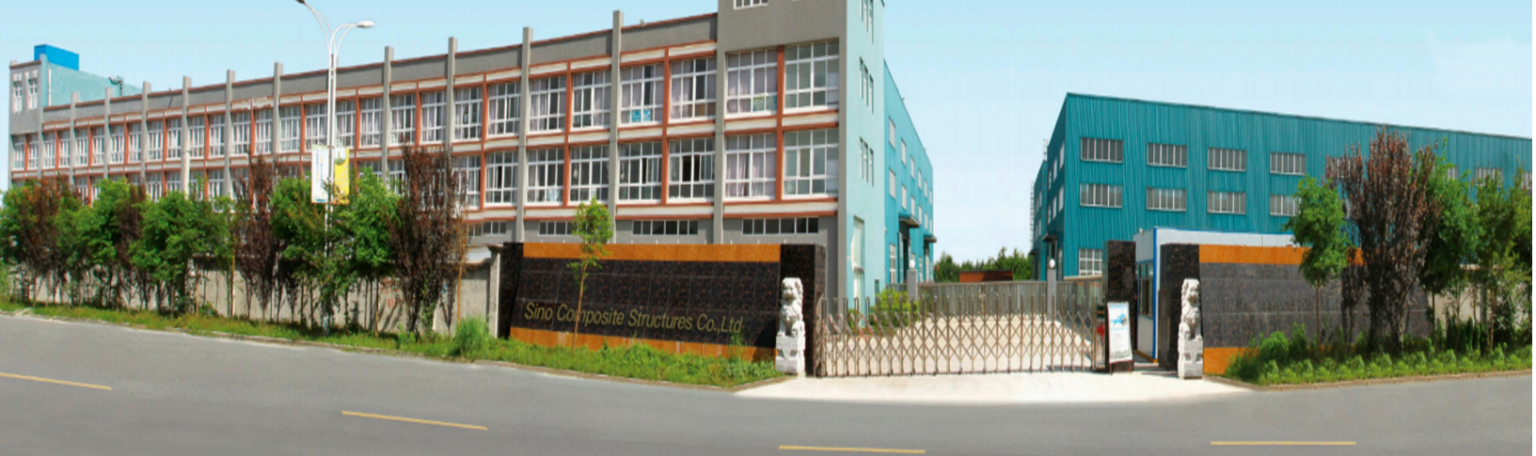

Steel Grating Factory: Essential Guide for Industrial Applications and Durability
2026-03-29
When you think about industrial infrastructure, steel grating isn't always the first thing that comes to mind. Yet, this unassuming component forms the backbone of countless applications—from manufacturing floors to offshore platforms, and from pedestrian walkways to heavy-duty storage facilities. It's the silent workhorse that ensures safety, durability, and efficiency in demanding environments. At Sino Grating, we understand that not all steel grating is created equal. With decades of experience in the industry, we've seen how the right choice in grating can make or break an industrial project. That's why we've put together this guide: to cut through the noise and provide you with practical insights into selecting, installing, and maintaining steel grating for long-term performance. In this blog, we'll dive into the key factors that define quality steel grating—materials, load capacities, corrosion resistance, and more. Whether you're an engineer specifying materials for a new build or a facility manager overseeing upgrades, this guide will equip you with the knowledge to make informed decisions. You'll discover why durability isn't just about thickness, and how innovations in design are pushing the boundaries of what grating can do. So, if you're ready to explore how steel grating can elevate your industrial applications, let's get started. Your next project deserves nothing less than the best—and at Sino Grating, we're here to help you achieve just that.
Understanding the Role of Steel Grating in Industrial Environments
When you think about industrial spaces, steel grating might not be the first thing that comes to mind. Yet, it's quietly essential, providing a safe and sturdy surface in factories, warehouses, and plants. Picture workers walking across platforms or machinery areas—this grating prevents slips while allowing air, light, and liquids to pass through, keeping environments clean and functional. It's not just about safety; it's about practicality, enhancing workflow without costly maintenance.
Steel grating comes in various types, like welded or pressure-locked, each tailored for specific needs. In harsh settings with heavy loads, stronger designs ensure durability against corrosion and wear. Beyond mere flooring, it's used in walkways, stair treads, and catwalks, blending into the industrial landscape. This adaptability makes it a go-to choice for engineers seeking reliable, long-lasting solutions that withstand the demands of daily operations.
What sets steel grating apart is its role in improving overall efficiency. By allowing debris and fluids to drain away, it reduces cleanup time and hazards, fostering a safer workplace. In modern industries, where safety and productivity intersect, this material proves invaluable. It's a hidden backbone, supporting both people and processes, and its significance grows as facilities aim for smarter, more resilient designs.
Key Factors Influencing the Durability of Steel Grating Products
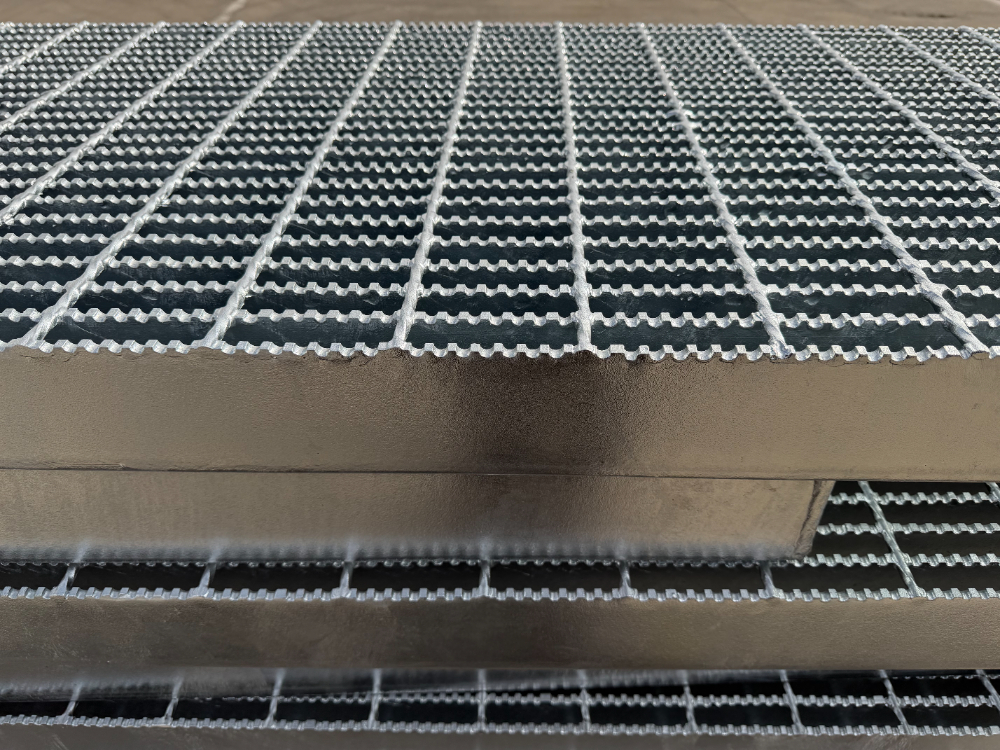
The durability of steel grating products largely hinges on the quality of the materials used, particularly the type of steel and any protective coatings applied. Common materials like stainless steel or galvanized steel offer enhanced corrosion resistance, which can significantly extend the lifespan in harsh environments. For instance, stainless steel's chromium content forms a passive layer that shields against rust, making it ideal for outdoor installations or areas with high moisture. Choosing the right material upfront can prevent premature degradation and reduce maintenance costs over time.
Environmental conditions play a crucial role in determining how well steel grating withstands wear and tear. Factors such as exposure to chemicals, extreme temperatures, or heavy foot and vehicular traffic can accelerate deterioration. In industrial settings, acid spills or saltwater splashes might cause rapid corrosion if the grating isn't properly treated. To address this, it's essential to consider the specific application area—whether it's a chemical plant, coastal site, or busy pedestrian walkway—and select grating with appropriate resistance features tailored to those conditions.
Proper installation and regular maintenance are often overlooked but vital aspects that influence durability. Incorrect fitting or inadequate support can lead to structural failures, while neglecting routine inspections might allow minor issues like loose welds or surface damage to escalate. Implementing a scheduled cleaning and inspection routine can help detect problems early, ensuring the grating remains safe and functional for longer periods. By combining robust materials with smart installation practices and proactive upkeep, users can maximize the longevity and reliability of their steel grating investments.
Innovative Manufacturing Techniques at Steel Grating Factories
In modern steel grating factories, innovation is driving a shift from traditional methods to more efficient and precise processes. One key advancement is the adoption of automated welding systems, which use robotics to ensure consistent quality and reduce human error. These systems can handle complex patterns and custom designs, allowing factories to meet diverse client specifications with greater speed, while also enhancing workplace safety by minimizing manual labor in hazardous areas.
Another cutting-edge approach involves the integration of digital modeling and 3D printing technologies. Factories are now employing CAD software to create detailed prototypes before production, which helps identify potential issues early and optimizes material usage. This digital-first mindset not only cuts down on waste but also enables rapid prototyping for specialized applications, such as architectural features or industrial platforms, giving businesses a competitive edge in delivering tailored solutions quickly.
Beyond automation and digital tools, eco-friendly initiatives are reshaping manufacturing techniques. Some factories are implementing energy-efficient machinery and recycling scrap metal into new grating products, reducing their environmental footprint. This focus on sustainability appeals to environmentally conscious clients and aligns with global trends toward greener industrial practices, making these factories stand out as leaders in both innovation and responsibility.
Applications Across Diverse Industrial Sectors and Use Cases
From manufacturing floors to healthcare systems, the applications of advanced technologies span a broad spectrum of industries, each uniquely leveraging these tools to drive innovation and efficiency. In the automotive sector, for instance, predictive maintenance systems powered by machine learning are revolutionizing how manufacturers monitor equipment health, reducing downtime and unexpected failures. Similarly, in agriculture, smart sensors and data analytics enable precision farming, allowing farmers to optimize water usage, monitor crop health in real-time, and boost yields sustainably. These cross-sector applications demonstrate how adaptable technologies can tailor solutions to meet specific operational challenges, fostering growth across traditional and emerging fields.
Beyond production environments, the impact extends into service-oriented sectors like retail and finance. In retail, personalized recommendation engines not only enhance customer experiences by suggesting products aligned with individual shopping behaviors but also help businesses manage inventory more effectively, minimizing waste and increasing sales. In finance, blockchain technology provides secure, transparent transaction records, streamlining processes in areas such as cross-border payments and supply chain financing. Such use cases highlight how these innovations are not just about automation but about creating value-added services that resonate with evolving consumer demands and regulatory landscapes, pushing industries toward more resilient and customer-centric models.
Moreover, in sectors like energy and transportation, applications are addressing global challenges such as sustainability and urban mobility. Smart grids equipped with AI algorithms balance energy supply and demand in real-time, integrating renewable sources seamlessly to reduce carbon footprints. In urban planning, autonomous vehicles and intelligent traffic management systems are reshaping transportation networks, aiming to decrease congestion and enhance safety. These examples illustrate the versatility of modern technologies in tackling complex issues, showcasing their role as catalysts for transformative change that transcends individual sectors, ultimately contributing to a more interconnected and efficient world.
Maintenance Best Practices for Long-Lasting Grating Performance
Keeping grating systems in top shape isn't just about cleaning—it's a proactive approach to safety and durability. Start with regular inspections, ideally every six months, to catch issues like corrosion, loose fasteners, or surface damage early. Pay special attention to high-traffic areas and spots exposed to harsh weather, where wear tends to accelerate. A little vigilance here can prevent costly repairs down the line and ensure your grating stays load-ready for years.
When it comes to cleaning, ditch the harsh chemicals that might weaken the material. Instead, opt for gentle solutions like mild soap and water, using a soft brush to scrub away dirt and debris without scratching the surface. For outdoor grating, clearing leaves and standing water regularly helps avoid moisture buildup that leads to rust or slip hazards. This straightforward routine not only maintains appearance but also preserves structural integrity, making your grating look and perform as good as new.
Don't overlook the importance of proper coating and repairs. If you spot minor rust or wear, address it promptly with touch-up paints or sealants designed for your grating's material, be it steel, aluminum, or fiberglass. For more significant damage, consult a professional to ensure repairs don't compromise safety. By sticking to these practices, you'll extend your grating's lifespan significantly, keeping it reliable and safe through all seasons, without constant replacement hassles.
Future Trends and Sustainability in Steel Grating Production
Steel grating production is rapidly evolving, driven by innovations that prioritize efficiency and environmental responsibility. With advancements in automation and digital fabrication, manufacturers are adopting smart technologies like 3D modeling and robotics to streamline processes, reducing waste and energy consumption. These trends enable precise customization, meeting diverse industrial needs while cutting down on material excess, making production more adaptable and cost-effective.
Sustainability has become a cornerstone in steel grating manufacturing, with companies increasingly focusing on eco-friendly practices. The integration of recycled materials, such as scrap steel, into production cycles not only conserves natural resources but also lowers carbon footprints. Additionally, energy-efficient methods, like using renewable power sources in mills and implementing closed-loop water systems, are minimizing environmental impact and aligning with global green initiatives.
Looking ahead, the industry is set to embrace further innovations, such as the development of lighter, stronger alloys that enhance durability and reduce overall weight, contributing to sustainable construction. Collaborative efforts across sectors are fostering circular economy models, where end-of-life grating can be repurposed, ensuring long-term viability and resilience in an increasingly eco-conscious market.
FAQ
Steel grating is fabricated from carbon steel or stainless steel, selected for its high strength-to-weight ratio, durability, and resistance to heavy loads, making it ideal for industrial flooring where safety and longevity are priorities.
It provides excellent slip resistance due to its open design, allows for drainage of liquids and debris, and improves visibility and air circulation, reducing hazards from spills and buildup in high-traffic areas.
Welded grating involves fusing bars at intersections for robust strength, suitable for extreme loads, while press-locked grating is mechanically interlocked, offering a smoother surface and often used in lighter settings; welded types are generally preferred for heavy-duty industrial use due to superior durability.
Galvanizing applies a zinc coating that protects against rust and corrosion, extending lifespan in harsh environments like chemical plants or coastal areas, while specialized coatings like epoxy can add extra resistance to acids or abrasion.
Key factors include load capacity requirements, spacing between bars for safety and debris passage, material grade for corrosion resistance, and compliance with standards like OSHA or ANSI, based on the application's demands.
Yes, it can be tailored to exact dimensions, with custom shapes for odd spaces, varying bar thicknesses for load needs, and options like serrated surfaces for extra grip, often used in retrofit projects or specialized machinery platforms.
Regular inspections for signs of wear, corrosion, or damage, cleaning to remove debris that can cause slips, and timely repairs or recoating as needed, typically on an annual or semi-annual basis depending on exposure conditions.
Steel grating is generally more cost-effective and stronger than aluminum or fiberglass, making it better for high-load industrial applications, though aluminum is lighter and more corrosion-resistant, and fiberglass is non-conductive and chemical-resistant for niche uses.
Conclusion
The steel grating factory plays a pivotal role in supplying robust solutions for industrial settings, where steel grating serves as a fundamental component for safety, load-bearing, and airflow in environments ranging from manufacturing plants to offshore platforms. Understanding its role involves recognizing how it enhances operational efficiency by providing slip-resistant surfaces and facilitating drainage, which is critical in sectors like chemical processing and water treatment. Durability is influenced by key factors such as material selection (e.g., carbon or stainless steel), surface coatings like galvanization to combat corrosion, and design aspects like bar spacing and thickness, ensuring longevity under harsh conditions. Innovative manufacturing techniques, including advanced welding methods and computer-aided design, allow factories to produce customized, high-strength gratings that meet specific industrial demands, boosting reliability and performance.
Applications of steel grating span diverse industrial sectors, from oil and gas for walkways to construction for mezzanine floors, highlighting its versatility in use cases like stair treads and platforms. To maintain long-lasting performance, best practices involve regular inspections, cleaning to prevent debris buildup, and timely repairs of any damage, which helps extend service life and reduce downtime. Looking ahead, future trends in steel grating production focus on sustainability through recycling materials and energy-efficient processes, alongside innovations like composite materials and smart monitoring systems for enhanced durability and eco-friendliness. This guide underscores how steel grating factories are evolving to deliver durable, application-specific solutions that support industrial growth while adapting to environmental and technological shifts.
Contact Us
Contact Person: Nicholas Zhu
Email: [email protected]
Tel/WhatsApp: 18921275456
Website: https://www.sino-grate.com