

Polymer Soil Stabilizer: How It Works and Why It Matters
2026-07-27
Soil stabilization is a cornerstone of modern construction, but traditional methods often fall short in durability and eco-friendliness. Enter polymer soil stabilizers—a game-changing solution that chemically transforms loose earth into a rock-solid foundation. At MST, we’ve witnessed how these advanced polymers not only slash maintenance costs but also shrink carbon footprints. In this piece, we’ll unpack the science behind polymer stabilization, reveal its real-world superpowers, and explore why it’s quietly reshaping roads, runways, and more. Ready to see dirt defy expectations?
The Basics of Polymer Soil Stabilizers: What You Should Know
Polymer soil stabilizers are a modern solution for improving the engineering properties of soil, commonly used in construction, agriculture, and erosion control. Unlike traditional methods that rely on cement or lime, these synthetic compounds work by physically binding soil particles together, creating a more cohesive and durable matrix. Depending on the formulation, they can be applied in liquid or powder form, and their effectiveness hinges on factors like soil type, moisture content, and site-specific conditions. This approach often yields a flexible yet resilient surface that withstands traffic, weathering, and water infiltration more effectively than untreated ground.
The mechanism behind polymer stabilization is fundamentally about enhancing the internal bonding within the soil. Long-chain polymer molecules coat individual particles, forming bridges between them and filling pore spaces. This process reduces dust generation, increases compressive strength, and curbs permeability, making it particularly valuable for unpaved roads, embankments, and temporary work sites. Some products are engineered to create a semi-permanent crust that resists erosion from wind and rain, while others are designed to biodegrade over time, minimalizing long-term environmental impact.
One of the key advantages of polymer-based stabilizers is their versatility and ease of application. Many products require only simple mixing equipment and can be applied under a wide range of temperatures, reducing project downtime. Additionally, because they often require less material than conventional stabilizers, they can offer cost savings and a reduced logistics footprint. When choosing a polymer stabilizer, it’s essential to consider the intended lifespan of the project, the mineral makeup of the soil, and any local ecological sensitivities. A well-chosen polymer system can transform problematic soils into stable, functional platforms with minimal hassle and environmental disruption.
How Polymers Strengthen Soil from the Inside Out
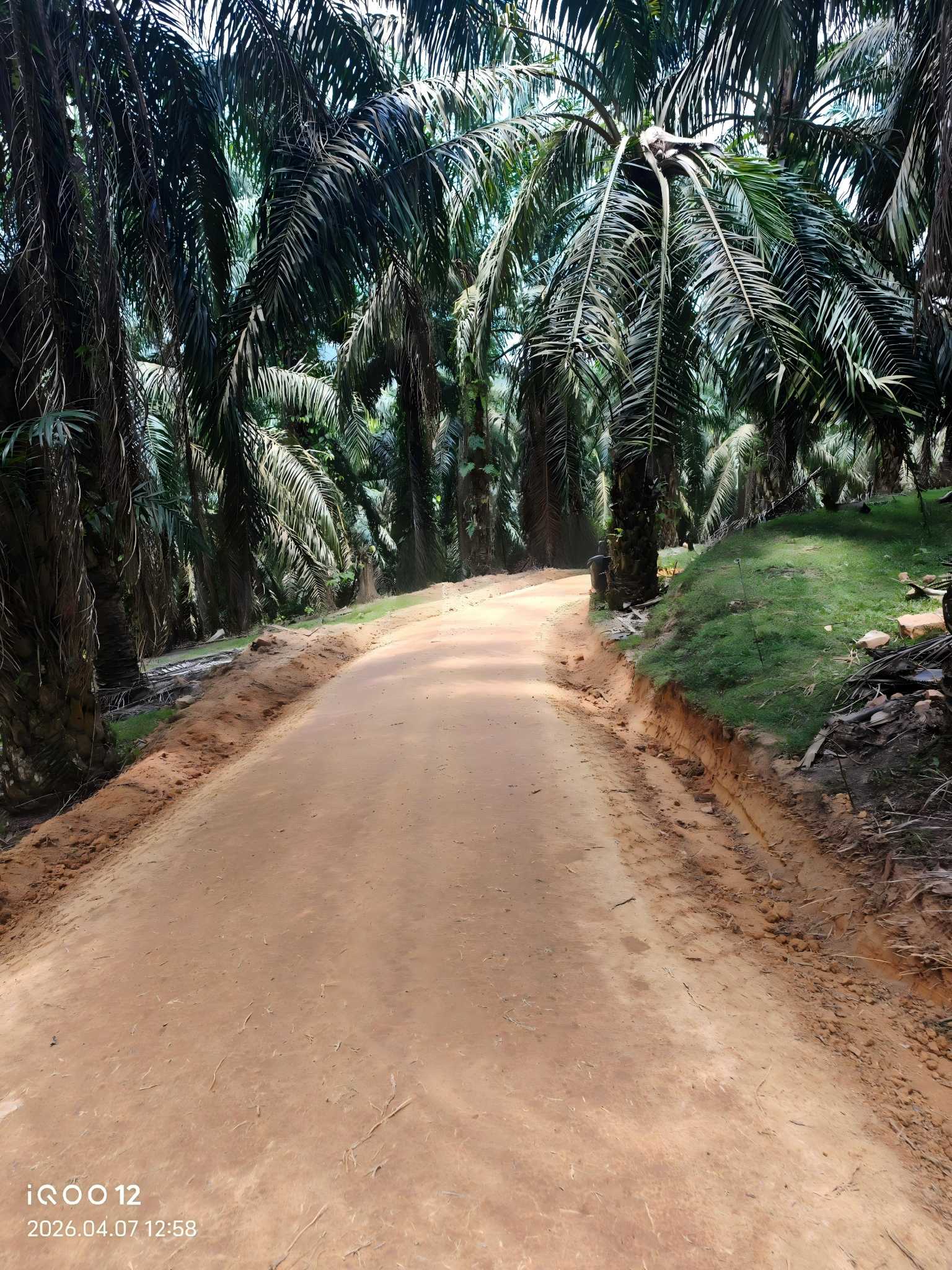
Imagine a network of invisible threads weaving through the ground beneath your feet, binding loose particles into a stable, resilient mass. That’s essentially what polymers do when introduced into soil. These long-chain molecules act like tiny anchors, grabbing onto clay, silt, and sand grains, and linking them together. Unlike temporary fixes that merely compact the surface, polymers work from within, creating a three-dimensional matrix that resists erosion and improves load-bearing capacity. This internal restructuring means the soil isn’t just harder on top—it’s fundamentally tougher throughout, better able to withstand water, wind, and pressure.
The magic lies in how polymers interact with water. Some absorb and retain moisture, swelling to form a gel that coats soil particles and reduces dust. Others are hydrophobic, repelling water to prevent saturation and slumping. In both cases, the polymer fills the voids between grains, effectively gluing them together without destroying the soil’s natural porosity. This is a delicate balance: too much binding and the ground becomes brittle; too little and it remains loose. But when the chemistry is right, the soil gains a flexible strength—like giving it an internal skeleton that bends without breaking, even under heavy traffic or harsh weather cycles.
Perhaps most compelling is the longevity of this transformation. Unlike mechanical compaction that fades with time and moisture, polymer-treated soil can maintain its integrity for years. The polymers slowly degrade, but not before fostering plant root growth that further reinforces the structure. It’s a synergistic effect: the initial polymer framework supports vegetation, and the roots eventually take over, weaving their own natural network through the stabilized medium. This self-sustaining cycle turns a simple chemical additive into a lasting solution for everything from dirt roads to construction sites, proving that the best way to strengthen soil isn’t to press it from above, but to reinforce it from within.
Surprising Uses for Stabilized Soil Beyond Road Construction
When most people think of stabilized soil, they picture compacted layers beneath highways. Yet this humble material has quietly found its way into the foundations of multi-story buildings, where it replaces expensive imported aggregates and reduces the carbon footprint of urban development. Engineers are now using specifically formulated blends that cure into rock-like masses, capable of supporting heavy structural loads without the need for deep piling—a game changer in remote locations where concrete trucks can’t easily reach.
In water management, stabilized soil is carving out an unexpected niche. Instead of relying solely on concrete channels, which crack and degrade over time, landscape architects are shaping erosion-resistant earth embankments by injecting biopolymers or natural binders directly into the ground. The result is a permeable yet durable barrier that manages stormwater naturally, encourages native plant growth, and blends seamlessly into parks and green spaces. It’s a quiet revolution hiding in plain sight, turning ordinary dirt into functional living infrastructure.
Perhaps the most creative applications emerge in community-driven construction. In regions where timber and steel are scarce or prohibitively priced, stabilized soil blocks—hand-pressed, sun-cured, and stackable—are used to build everything from schools to health clinics. Advanced chemical stabilizers now make these blocks resistant to termites, humidity, and even seismic tremors. Meanwhile, artists and architects are exploring sculptural possibilities: temporary pavilions, outdoor seating, and even playground mounds that lock in shape for decades yet can be regraded and reused, challenging our assumptions about soil as something always needing to be removed before a project begins.
Why Traditional Methods Fall Short and Polymers Step Up
Traditional leak sealing methods like mechanical clamps or welding often fall short because they usually only address the symptom—the immediate leak—without tackling the root cause, such as corrosion or material degradation. These approaches can be highly invasive, requiring system shutdowns that lead to costly downtime and production losses. Even when applied successfully, they frequently lack long-term reliability; the rigid nature of metals and welds fails to accommodate the constant thermal expansion, vibration, and pressure fluctuations common in industrial piping, causing repairs to fail again under stress.
In stark contrast, advanced polymer-based solutions have emerged as a genuine engineering breakthrough. Rather than simply patching a leak, these materials are designed to penetrate deeply into compromised substrates, halt ongoing corrosion, and actually rebuild the structural integrity of the damaged area. Their inherent flexibility allows them to move and flex with the pipe, absorbing dynamic loads without cracking, while their rapid cure times—often within hours—minimise operational interruptions. This proactive, restorative capability makes them far more than a stopgap; they become a permanent, engineered fix that extends asset life.
The real advantage, however, lies in the way polymer technology has fundamentally changed the risk profile of repairs. Instead of exposing crews to hot work hazards or forcing entire systems offline, polymer applications are typically cold applied and can often be performed on live, leaking equipment. The materials are formulated to form an extremely tenacious bond even on damp, oily, or corroded surfaces, something conventional repairs simply cannot achieve. This combination of safety, speed, and substrate compatibility means facilities can restore critical infrastructure without the dangerous dance of draining lines or welding near volatile substances, turning what was once a major operational crisis into a predictable, manageable maintenance event.
The Environmental Edge: Less Erosion, More Sustainability
Soil erosion isn't just about losing dirt—it's about losing the future. Traditional land use often strips away protective cover, exposing ground to wind and water. But when ecosystems are kept intact or thoughtfully restored, roots bind the soil, while fallen leaves and plant litter act as a natural shield. The result is less sediment runoff, cleaner waterways, and a landscape that can better withstand heavy rains and drought.
Beyond erosion control, sustainable land practices build soil health over time. Healthy soil acts like a sponge, absorbing and holding water longer, which reduces flood risks and naturally filters pollutants before they reach streams. This isn't a quick fix—it's a long-term investment in the land's ability to regenerate. When soil stays where it belongs, nutrient cycles remain intact, carbon stays sequestered, and plant life thrives without synthetic boosts.
What's often overlooked is the quiet resilience this approach creates. Diverse plant cover, minimal soil disturbance, and permanent root systems work together to create a self-sustaining cycle. Fields become less dependent on heavy machinery and chemical inputs, cutting both costs and carbon footprints. Ultimately, prioritizing erosion control isn't just an environmental choice—it's a practical shift toward more reliable, lasting productivity.
What to Look for When Choosing a Polymer Stabilizer
Selecting the right polymer stabilizer demands a clear understanding of the degradation challenges your material will face. Start by identifying the primary stress factors—heat, UV light, oxygen, or mechanical shear—since each requires a different chemical defense. For instance, polyolefins exposed to prolonged high temperatures during processing or service benefit from hindered phenolic antioxidants combined with phosphite secondary stabilizers, while outdoor applications often call for hindered amine light stabilizers (HALS) that intercept free radicals. Ignoring the specific exposure conditions can lead to premature discoloration, loss of mechanical properties, or surface cracking, undermining the product’s lifespan.
Beyond performance, compatibility with the base polymer and processing conditions is non-negotiable. A stabilizer that migrates to the surface, causes blooming, or interferes with colorants or other additives creates more problems than it solves. Evaluate the additive’s molecular weight, polarity, and physical form—whether liquid, powder, or pelletized—to ensure seamless incorporation without sacrificing dispersion. Processing temperature also matters: some stabilizers degrade or volatilize if the melt temperature exceeds their thermal stability window, negating their protective effect. A well-chosen additive integrates smoothly, remaining uniformly distributed throughout the part’s lifetime.
Finally, weigh regulatory and economic factors early in the selection process. Even the most effective stabilizer system is worthless if it fails to meet regional food contact approvals, REACH, or upcoming sustainability mandates. Look for additives with a proven safety profile and, where possible, those that enable recyclability or reduce the overall additive loading. While cost per kilogram is a tempting shortcut, the true metric is cost-performance over the product’s intended service life—cheap stabilizers often lead to higher rejection rates, warranty claims, or expensive reformulation down the road.
FAQ
It's a chemical additive mixed into soil to improve its engineering properties. Essentially, it binds soil particles together, increasing load-bearing capacity and reducing erosion. Unlike cement or lime, polymers often form flexible chains that lock particles in place without making the ground brittle.
The polymers consist of long chains of molecules that, when hydrated, uncoil and spread through the soil matrix. They create a network that physically holds particles together through adhesion and cohesion. Some polymers are charged, attracting opposite charges on clay particles, which flocculates the soil and reduces water absorption. This dual action strengthens the ground and makes it more resistant to moisture.
It directly addresses failures caused by weak or expansive soils. By reinforcing the ground underneath roads, foundations, or embankments, it prevents cracking, rutting, and heaving. This means fewer repairs down the line, faster construction timelines, and the ability to build on marginal soils that would otherwise require costly removal and replacement.
Yes, several. Many polymers are non-toxic and can be formulated to be biodegradable. They reduce the carbon footprint by cutting the need for cement, whose production is energy-intensive. Also, by minimizing soil erosion during and after construction, they help protect nearby waterways from sedimentation. In some cases, they support vegetation growth on slopes, further stabilizing the area.
The effectiveness depends on the polymer formulation, but generally, clayey and silty soils show the most dramatic improvement because their fine particles and high surface area interact well with the polymer chains. Sandy soils can also be stabilized, often with different polymer types that create a binding film around the grains. Organic soils may need special treatment as high organic content can interfere with the bonding process.
It varies widely based on the polymer used, soil conditions, and environmental exposure. In well-designed applications, the stabilization can remain effective for over a decade. UV exposure can degrade some polymers over time if left uncovered, but when incorporated below the surface or under pavement, durability increases significantly. Regular inspections and occasional maintenance can extend the lifespan further.
Cost can be higher up front compared to conventional stabilizers like lime, though savings from reduced maintenance often offset this. Application requires careful attention to mixing ratios and moisture content—errors can lead to subpar results. Some polymers lose strength if repeatedly exposed to water unless designed for water resistance. Additionally, not all polymers work with every soil type, so lab testing is recommended before a project.
Conclusion
Polymer soil stabilizers have quietly revolutionized the way we think about ground reinforcement, moving beyond simple compaction or cement-based treatments to something far more integrated. These liquid or powder additives, typically acrylic or vinyl-based, seep into the soil matrix and bind particles together at a molecular level, forming a flexible yet durable network that resists water, weather, and heavy loads. Unlike traditional methods that merely coat the surface or rely on rigid chemical reactions, polymers penetrate deep, creating cohesion from within. This internal strengthening means roads, embankments, and even building foundations last longer with less maintenance, while also addressing the shortcomings of lime or Portland cement—namely their brittleness, carbon footprint, and sensitivity to moisture. The shift is not just technical but environmental: stabilized soil stays put, drastically cutting erosion and sediment runoff into waterways, and often requires less raw material, aligning with sustainable construction goals.
Beyond the obvious applications in highways and parking lots, polymer-treated soil finds its way into surprising niches—think dust suppression on mine haul roads, erosion control on coastal dunes, or even creating sculpted landscapes in parks without constant regrading. When selecting a stabilizer, it’s critical to match the polymer’s chemistry to the soil type (clay, sand, silt) and the specific demands of the project, whether it’s load-bearing capacity, permeability, or longevity. Field tests and manufacturer expertise matter more than marketing claims, as the wrong formulation can fail to bond or become brittle over time. Ultimately, the technology matters because it offers a quieter, cleaner, and smarter alternative to conventional earthworks, one that keeps infrastructure resilient and environments intact long after the construction crews have left.
Contact Us
Contact Person: Helen
Email: [email protected]
Tel/WhatsApp: 86 18630661160
Website: https://www.roadmilestone.com/