

Polymer Soil Stabilizer for Dust Control: A Practical Guide to Sustainable Suppression
2026-07-28
Dust from unpaved roads isn’t just a nuisance—it’s a health hazard, an environmental liability, and a constant drain on maintenance budgets. Yet traditional solutions often fall short, washing away with the first rain or requiring endless reapplication. What if you could bind soil at the microscopic level, creating a durable, weather-resistant surface that slashes dust and upkeep? Enter polymer soil stabilization, and at the forefront of this technology is MST, offering a smarter, greener way to suppress dust for the long haul. In this guide, we’ll explore how polymer-based products work, why they outperform conventional methods, and how you can implement them for lasting results on roads, construction sites, and beyond.
The Limitations of Traditional Dust Suppression
Water spraying remains the go-to method for many industries, but it's far from a silver bullet. One of the biggest drawbacks is its fleeting effectiveness. Once the water evaporates, which can happen in minutes under the hot sun or dry wind, the dust simply becomes airborne again. This forces operations into a constant, resource-intensive cycle of reapplication, driving up water usage and labor costs without delivering lasting results.
Beyond the evaporation problem, traditional sprays often struggle with surface compatibility. On heavily trafficked haul roads, water can actually worsen conditions by creating mud, leading to slippery, unsafe surfaces for vehicles and personnel. In mining or construction sites, the oversaturation can destabilize the ground, increasing erosion and runoff issues rather than solving the dust problem at its source.
Moreover, most conventional methods fail to address the wide spectrum of dust particle sizes. Fine, inhalable particles—the ones that pose the greatest health risks—are notoriously difficult to capture with water alone. Without chemical binders or advanced droplet technology, these lightweight particles tend to slip right through the spray, leaving workers exposed and air quality standards unmet.
How Polymers Create a Dust-Free Surface
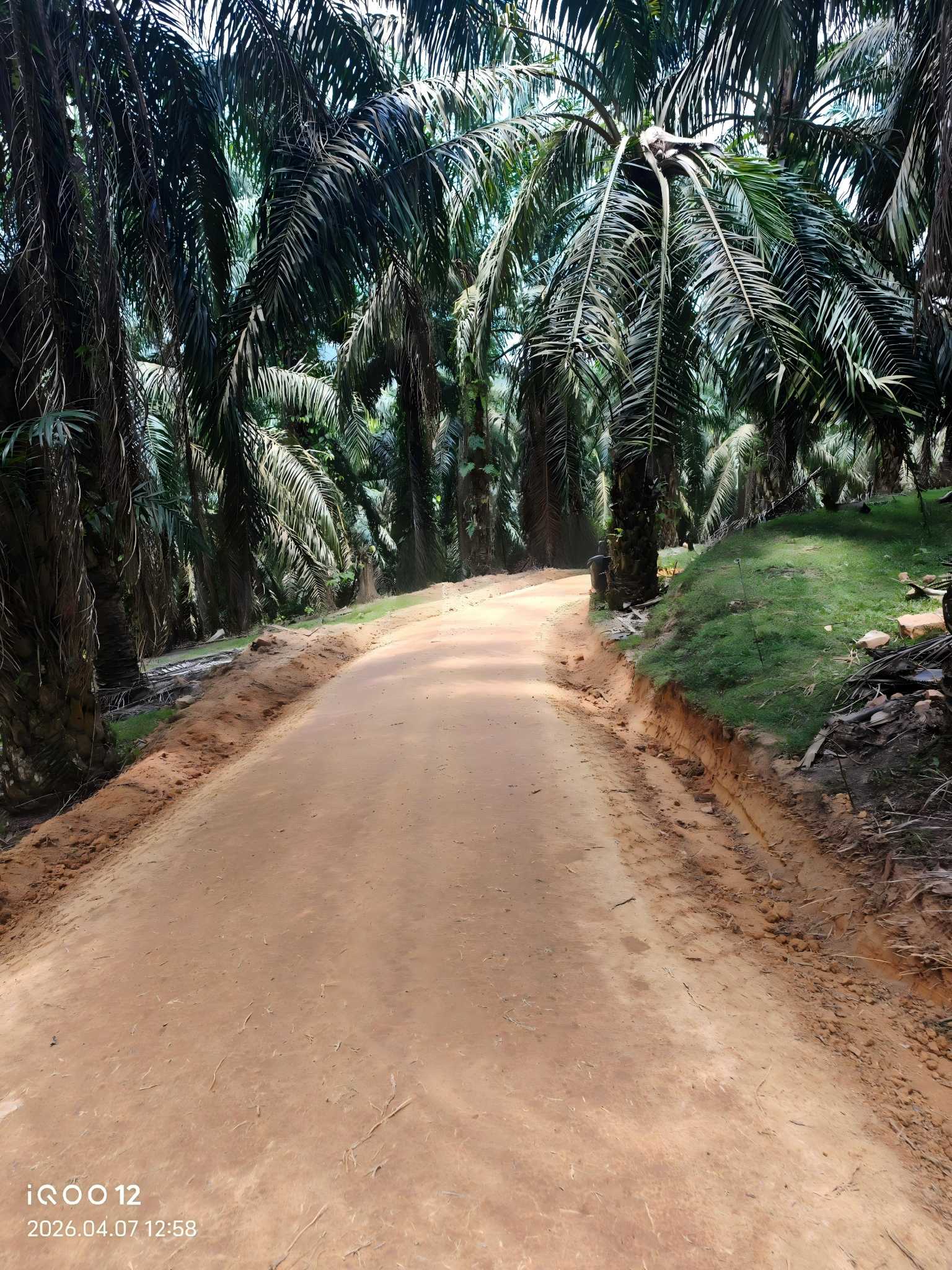
Polymers modify surface properties at the molecular level, typically by forming a thin, highly cross-linked film that minimizes static charge. This film resists particle adhesion by smoothing microscopic roughness where dust would otherwise lodge. Simultaneously, the polymer's chemical structure can incorporate anti-static agents, preventing the buildup of electrostatic attraction—the main culprit in dust accumulation.
Beyond static control, some polymer coatings exploit low surface energy to create a lotus-like effect. Dust and debris simply fail to anchor, sliding off with minimal airflow or gentle rinsing. Others self-level during curing, filling in nanoscale crevices that act as dust traps. The result is a hydrophobic and oleophobic barrier that stays cleaner far longer than untreated surfaces.
In practice, the polymer solution is often applied as a clear, liquid formulation that bonds to the substrate through covalent or ionic interactions. Once cured, it becomes an integral part of the surface, not a temporary layer. This durability, combined with tailored conductivity and smoothness, makes it an invisible shield against dust in everything from electronics to automotive interiors.
From Mixing to Application: Getting It Right
Getting the mix right often starts with measuring both components exactly as the manufacturer specifies—eyeballing leads to trouble later. Use clean, dry tools and scrape the sides of the container repeatedly to pick up any unmixed material clinging there. A slow, steady stir works better than a frantic whip, which can whip in air bubbles that will later mar the finish. Temperature matters too: cold resin or hardener thickens and won’t combine smoothly, so let everything reach room temperature before you begin.
Application is where discipline pays off. Whether you’re brushing, rolling, or spraying, maintain a wet edge so each stroke blends into the last without lap marks. Work in sections small enough to stay workable, and resist the urge to go back and re-brush an area that’s already started to set—it will only leave brush drag. If the product has a limited pot life, pour out only what you can use in that window and keep the rest sealed, or you’ll rush and make mistakes as it thickens in the tray.
Curing is as critical as mixing and applying. Don’t mistake surface dryness for full cure; many coatings need days to reach their stated hardness and chemical resistance. Keep dust and drafts away during the fragile early stages, and strictly observe the recommended recoat window if another layer is needed—missing it can mean sanding and starting over. Patience at this stage turns a rushed job into a durable, professional result.
Weathering the Storm: Performance in Harsh Conditions
When the skies darken and winds whip up, not all equipment is built to endure. Performance in harsh conditions isn't about surviving a drizzle—it's about unwavering reliability when temperatures plummet, salt spray corrodes, or abrasive dust clogs moving parts. The real test comes in remote locations where maintenance is a luxury and failure is not an option. Every component must be hardened against the elements, from reinforced casings that shrug off impacts to chemically treated surfaces that resist rust. Only those who demand excellence without compromise understand that true durability is measured in storm cycles endured, not just sunny days.
Consider the electronics powering critical communications in a subzero blizzard. A lesser design seizes up as lubricants freeze and connections become brittle. Here, performance hinges on engineering foresight: advanced polymers that remain supple at -40°F, self-heating circuits that prevent condensation, and connectors rated for thousands of mating cycles under grit. It's not about fancy specs alone—it's about how those specs hold when ice forms on control panels and visibility drops to zero. The quiet confidence of a system that keeps humming through the worst Mother Nature can throw at it separate pretenders from contenders.
Even more demanding are the corrosive, high-vibration environments found in heavy industry and marine applications. Salt fog eats away at unprotected surfaces, while constant pounding from heavy machinery challenges structural integrity. Here, materials matter: anodized aluminum alloys, specialized epoxy coatings, and vibration-dampened mounts transform from buzzwords into essential lifelines. Field-proven engineering, backed by years of real-world stress testing, proves that the best gear doesn't just meet IP ratings—it exceeds them when cameras are off, and no one is watching. That unwavering performance, season after punishing season, turns skeptics into believers.
Environmental and Health Benefits at a Glance
When we talk about protecting nature, the positive ripple effects on our own well-being often get overlooked. Cleaner ecosystems directly translate into fewer respiratory illnesses, cleaner water sources, and more spaces that invite physical activity. It’s not just about saving trees or rivers—it’s about preserving the very systems our bodies depend on to stay resilient against diseases and chronic stress.
Small shifts in daily habits, like choosing active transport or reducing plastic use, can compound over time. The health perks are immediate too: breathing fresher air during a walk instead of sitting in traffic, or enjoying produce grown without harsh chemicals. These moments reconnect us with surroundings that, when thriving, naturally support mental clarity and lower inflammation.
Perhaps less obvious is the psychological lift that comes from witnessing nature bounce back. Revived green belts or restored wetlands become community anchors, boosting collective morale and encouraging outdoor engagement. In the bigger picture, fostering sustainable practices isn't just an ecological strategy—it’s a down-to-earth investment in longer, healthier lives for everyone.
Real Projects, Real Results
We don't do fluff. Everything we build is grounded in actual client challenges, not hypothetical scenarios. From streamlining supply chains for mid-sized manufacturers to launching customer-facing apps for retail brands, our work lives in the messy, rewarding world of real business. No academic exercises, no polished case studies that never saw the light of day—just hands-on problem solving where the stakes are genuine and the outcomes measurable.
Take the inventory management overhaul we tackled for a regional distributor. Their system was a patchwork of spreadsheets and guesswork, leading to chronic overstock and missed shipments. By implementing a custom dashboard that synced real-time sales data with warehouse stock, we cut their holding costs by 18% within the first quarter. Or the loyalty platform we launched for a coffee chain: it boosted repeat visits by 34% in six months, all while handling peak-hour loads without a hiccup. These aren't vanity metrics—they're line items that directly impacted profit margins and customer retention.
The proof is in the performance. Our clients don't just get deliverables; they get momentum. Whether it's reducing time-to-market for a new product or hardening a payment gateway against fraud, the results speak in numbers and narratives that matter to stakeholders. We measure success by the same yardstick our partners do: growth, efficiency, and resilience. No jargon, no empty promises—just tangible outcomes that move the needle.
FAQ
A polymer soil stabilizer is a synthetic compound that binds soil particles together, forming a flexible, durable crust. When applied to unpaved surfaces, it penetrates the soil and creates a cohesive network, effectively locking in fine particles that would otherwise become airborne dust. Unlike water-only solutions, the polymer forms semi-permanent bonds that resist wind and light traffic erosion.
Water evaporates quickly, requiring frequent reapplication, while chlorides can harm vegetation, corrode equipment, and leach into groundwater. Polymers create a long-lasting, non-corrosive barrier that remains effective through multiple weather cycles. They reduce long-term maintenance and environmental liability, making them a smarter investment for sites where ongoing dust suppression is critical.
That depends on soil type, traffic levels, and weather exposure. In light-traffic areas, a well-applied polymer layer can remain effective for several months to over a year. High-impact zones may require touch-ups more frequently, but even then, the intervals are significantly longer than water or salt-based treatments, often reducing reapplication cycles by 50-80%.
Yes, most modern polymer formulations are non-toxic and biodegradable. Once cured, they create a stable matrix that doesn't leach harmful chemicals. They're often used in ecologically sensitive areas like nature reserves or near waterways because they minimize runoff and dust without introducing pollutants to the ecosystem.
Absolutely. Application is straightforward and can be done with conventional spray equipment, hydroseeders, or even hand-pump sprayers for small areas. The polymer is typically supplied as a concentrated liquid or powder that mixes easily with water. Its low logistical footprint and minimal water demand make it ideal for arid regions or sites with limited access.
The surface should be graded to the desired profile and cleared of loose debris. Lightly pre-wetting the ground can improve penetration in bone-dry soils, but standing water must be avoided. Heavily compacted surfaces may benefit from scarification to allow the stabilizer to bind deeper. The goal is to create a smooth, receptive layer where the polymer can form a continuous crust.
Polymers can be tailored to different soil textures. For sandy, non-cohesive soils, a blend with higher binding strength is chosen. For clay-rich soils, a polymer with better penetration and reduced shrink-swell tendency is preferred. While no single product works perfectly on every ground, reputable suppliers often provide application guidance or customized formulations based on a simple soil analysis.
It drastically cuts water usage, eliminating the need for constant truck-mounted spraying. The long reapplication cycle means fewer vehicle trips and lower fuel consumption. It also prevents fine particulate matter from polluting air and nearby surfaces, improving air quality and reducing health risks for workers and communities. This aligns with green construction goals and compliance with environmental regulations.
Conclusion
Traditional approaches to dust suppression, such as periodic water spraying or the application of salts and petroleum-based binders, often fall short in terms of longevity, environmental safety, and overall effectiveness. They typically require frequent reapplication, leach into surrounding soil and water, or fail under variable weather. In contrast, polymer soil stabilizers offer a transformative solution by bonding soil particles into a flexible, three-dimensional matrix. This creates a durable, dust-free surface that resists erosion from wind, rain, and continuous traffic. Success, however, depends on meticulous preparation—from selecting the right polymer formulation and concentration to ensuring thorough mixing and proper application techniques. Whether using a spray-on system or integrating the polymer into the topsoil, factors such as soil type, moisture content, and compaction must be carefully managed to achieve consistent coverage and deep penetration, ultimately locking in fines and preventing dust lift-off.
Beyond surface stabilization, these polymers stand up to harsh environments, maintaining integrity through intense UV exposure, freeze-thaw cycles, and heavy rainfall—conditions that rapidly degrade conventional controls. The environmental profile is equally compelling: modern polymers are often biodegradable, non-toxic, and reduce water consumption by up to 90% over the long term, while also improving air quality and minimizing respiratory hazards for workers and nearby communities. Real-world projects—from mine haul roads and construction sites to agricultural fields—consistently report dramatic dust reductions, lower maintenance costs, and extended service life, with some sites remaining stabilized for years after a single application. By shifting from temporary suppression to long-term soil stabilization, this polymer-based approach delivers a practical, sustainable path for industries seeking to control dust responsibly while improving operational efficiency and regulatory compliance.
Contact Us
Contact Person: Helen
Email: [email protected]
Tel/WhatsApp: 86 18630661160
Website: https://www.roadmilestone.com/