

PIV Factory: UL FM Post Indicator Valve Manufacturing Excellence for Fire Safety Systems
2026-01-07
When fire safety systems are designed and installed, it's the details that make the difference between adequate protection and truly exceptional safety. At the heart of many critical fire suppression systems lies the Post Indicator Valve (PIV), a humble yet vital component often overlooked until the moment it's needed most. PIV Factory specializes in manufacturing UL FM approved PIVs with a level of precision that sets the standard in the industry. In this blog, we'll explore how their commitment to excellence in manufacturing not only ensures reliable performance but also elevates the safety of entire fire protection networks. Looking for advanced solutions that go beyond the ordinary? Discover how DRIFCO integrates cutting-edge technology and engineering expertise to support superior fire safety systems worldwide. Stay tuned as we delve into the innovations that are reshaping fire safety from the ground up.
Precision Engineering in UL FM Post Indicator Valves
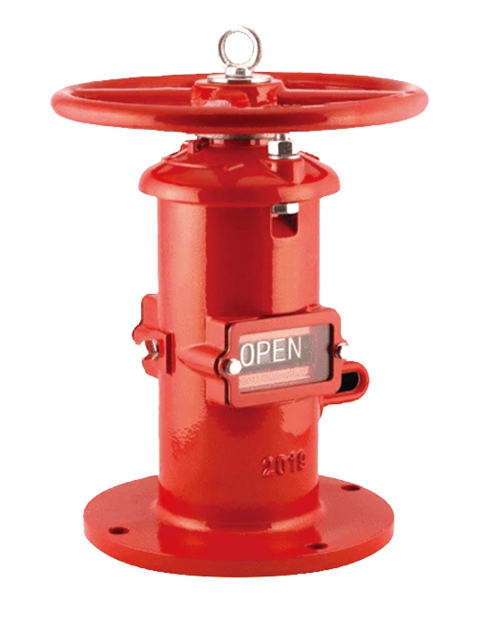
When it comes to fire protection systems, every component must perform flawlessly under extreme conditions, and UL FM post indicator valves are no exception. These valves serve as critical visual indicators for water-based suppression setups, allowing personnel to quickly confirm whether the valve is open or closed without guesswork. The precision engineering behind them ensures accurate positioning and reliable operation, even after years of exposure to harsh environments. By integrating durable materials like corrosion-resistant brass or ductile iron with tight tolerances in manufacturing, these valves maintain a secure seal and prevent leaks that could compromise system integrity during an emergency.
What sets advanced UL FM post indicator valves apart is their attention to ergonomic and safety features. Engineers often incorporate clear, high-visibility indicators—such as brightly colored flags or arrows—that are easily readable from a distance, reducing human error during inspections. Additionally, some models include locking mechanisms or tamper-resistant designs to prevent unauthorized adjustments, adding an extra layer of protection. This focus on user-friendly design doesn't just meet standards; it enhances overall system reliability by ensuring that maintenance teams can operate the valves efficiently, even under stress.
Beyond basic functionality, the precision in these valves extends to testing and certification processes. They undergo rigorous evaluations by UL (Underwriters Laboratories) and FM (Factory Mutual) to verify performance under simulated fire scenarios, including pressure tests and endurance cycles. This meticulous validation ensures that each valve can handle sudden surges in water flow without failing. For industries where downtime is costly, such as manufacturing plants or data centers, investing in precisely engineered UL FM post indicator valves means peace of mind, knowing that the fire suppression system is built to last and respond instantly when needed most.
Innovative Design Features for Enhanced Fire Safety
One groundbreaking approach to fire safety involves the integration of smart materials that react dynamically to heat, such as intumescent coatings that expand to form a protective char layer when exposed to flames. These materials are being embedded directly into building structures, offering a seamless and proactive defense mechanism that goes beyond traditional fire-resistant barriers. For instance, certain advanced coatings can delay structural failure by hours, providing critical extra time for evacuation and firefighting efforts in high-rise buildings or industrial settings.
Another cutting-edge innovation is the use of automated ventilation systems that intelligently manage airflow during a fire. Unlike conventional systems that may inadvertently spread smoke and flames, these designs utilize real-time sensors to isolate affected areas and direct smoke away from escape routes. Paired with AI-driven algorithms, they can predict fire behavior based on temperature and gas concentrations, optimizing ventilation to suppress fires and improve visibility for responders, thereby reducing the risk of smoke inhalation and enhancing overall safety in complex environments like hospitals or data centers.
Additionally, modular fire containment modules are emerging as a versatile solution, allowing for quick assembly and customization in diverse architectural layouts. These modules incorporate fire-rated walls, doors, and dampers that can be easily reconfigured as building uses change, ensuring ongoing compliance with safety standards without costly renovations. By blending durability with flexibility, they address the evolving needs of modern urban spaces, from residential complexes to commercial hubs, making fire safety not just a regulatory requirement but an integral part of sustainable design.
Rigorous Quality Control and Testing Protocols
At our company, quality isn't just a final step – it's woven into every stage of production, ensuring that each product meets the highest standards before reaching customers. Our team employs meticulous inspection methods, from raw material checks to final assembly reviews, to catch and correct issues early on, minimizing defects and boosting reliability. This proactive approach helps maintain consistency and builds trust in our brand, as every item undergoes strict evaluations to guarantee it performs as intended, whether in lab tests or real-world applications.
Beyond routine inspections, we implement advanced testing protocols that simulate extreme conditions, pushing products beyond typical use to identify potential weaknesses and enhance durability. For instance, environmental stress testing exposes items to varying temperatures and humidity, while performance assessments measure accuracy and efficiency under load. These rigorous trials not only refine product designs but also empower our engineers to innovate, as real-time feedback from tests informs iterative improvements, ensuring that we deliver solutions that stand the test of time.
To further distinguish our process, we integrate cross-functional reviews and third-party audits, fostering transparency and accountability across departments. Regular team collaborations and external validations ensure protocols stay up-to-date with industry advancements, adapting to new technologies and customer feedback. This holistic framework not only safeguards product integrity but also supports continuous enhancement, making our commitment to excellence a cornerstone of our operational ethos.
Material Selection and Durability in Harsh Environments
Choosing the right materials for harsh environments isn't just about picking the strongest option; it's a balancing act that weighs factors like corrosion resistance, thermal stability, and fatigue under extreme conditions. In industries such as offshore drilling or chemical processing, a single material failure can lead to catastrophic downtime or safety risks, making selection critical. For example, stainless steel might seem durable, but in saltwater settings, marine-grade aluminium alloys or specialized plastics often outperform it by resisting pitting and stress cracking. Engineers must consider not only initial strength but also how materials degrade over time due to exposure to elements like UV radiation, high humidity, or acidic substances.
To ensure durability, it's essential to integrate real-world testing alongside theoretical models, simulating the specific environmental stresses equipment will face. Unlike generic approaches, tailoring material choices to precise conditions—like Arctic cold or desert heat—can drastically extend lifespan. Take aerospace components: titanium alloys are favored for their high strength-to-weight ratio and ability to withstand temperature extremes, but they require careful welding techniques to prevent embrittlement. By focusing on localized environmental factors rather than broad assumptions, designers can avoid over-engineering and reduce costs while enhancing reliability.
Innovations in material science are reshaping durability strategies, with composites and coatings offering new ways to protect against harshness. For instance, carbon fiber-reinforced polymers provide lightweight resilience in corrosive marine applications, while ceramic coatings can shield metals from high-temperature oxidation in industrial furnaces. This proactive adaptation means that today's materials aren't just passive barriers; they're engineered to actively resist degradation, ensuring long-term performance even in the toughest settings. By staying ahead of environmental challenges through smart selection, industries can build systems that endure without constant maintenance or replacement.
Customization Options for Diverse Fire Protection Needs
When it comes to fire protection, one size doesn't fit all. That's why we offer a range of customization options to tailor systems to specific requirements, whether for a small retail space or a large industrial facility. From adjustable fire suppression agents to modular alarm layouts, every component can be fine-tuned to address unique risks and budget constraints. This flexibility ensures that your setup isn't just standard—it's smart and effective.
Our approach goes beyond basic equipment by integrating advanced analytics and user feedback into the design process. For example, we can incorporate heat mapping technology to detect hotspots before they escalate, or customize evacuation protocols based on real-time occupancy data. This proactive strategy not only enhances safety but also reduces downtime and maintenance costs, making it a practical choice for diverse environments like hospitals, schools, and warehouses.
Beyond technical tweaks, we emphasize collaborative planning with clients to understand their specific challenges and goals. Whether you're dealing with flammable materials, high ceilings, or strict compliance regulations, our team works closely with you to build a bespoke solution. This partnership ensures that the final system not only meets fire codes but also aligns seamlessly with your operational workflows, providing peace of mind and long-term reliability.
Industry Standards Compliance and Reliability Assurance
In today's fast-paced industrial world, adhering to established industry standards isn't just about ticking boxes; it's about building a foundation of trust and consistency. We dive deep into regulations like ISO 9001, ensuring that every process from design to delivery meets rigorous benchmarks, which not only streamlines operations but also signals to partners and customers a commitment to excellence. This proactive approach helps mitigate risks and fosters long-term reliability, turning compliance into a competitive edge rather than a mere obligation.
Beyond basic adherence, we integrate reliability assurance through real-world testing and continuous monitoring, tailoring solutions that stand up to the harshest conditions. By embedding quality checks at every stage, we minimize failures and downtime, ensuring products perform as promised when it matters most. This dual focus on compliance and reliability means you can count on outputs that are both safe and durable, backed by data-driven insights that anticipate challenges before they arise.
What sets us apart is our commitment to innovation within these frameworks; we don't just follow standards—we reimagine them to enhance performance. Through collaboration with industry leaders and regular audits, we evolve our practices, ensuring they remain cutting-edge and relevant. This dynamic approach translates into reliable, compliant outcomes that not only meet expectations but exceed them, delivering peace of mind in an unpredictable landscape.
FAQ
A PIV Factory specializes in manufacturing UL FM Post Indicator Valves, which are critical components ensuring reliable water flow in fire sprinkler systems, enhancing overall fire safety by maintaining valve status visibility and functionality.
UL FM certification sets stringent standards for materials, design, and testing, ensuring that valves meet high safety and performance benchmarks, which factories adhere to through rigorous quality control processes.
Factories employ advanced techniques like precision machining, automated assembly, and thorough pressure testing to create durable, leak-resistant valves that consistently perform under fire conditions.
Visibility allows personnel to quickly confirm valve status (open or closed) during emergencies, reducing response times and preventing accidental shutoffs that could compromise firefighting efforts.
By using corrosion-resistant materials, such as bronze or stainless steel, and conducting accelerated aging tests to simulate long-term use and environmental stressors like moisture and temperature fluctuations.
They provide certified valves that help buildings meet regulatory codes, such as NFPA requirements, and offer technical support to ensure proper installation and maintenance, boosting overall system integrity.
Conclusion
The PIV Factory has established itself as a leader in manufacturing UL FM post indicator valves, recognized for its precision engineering. By integrating advanced techniques, each valve is crafted to meet exact specifications, ensuring reliable performance in fire safety systems. This focus on quality is complemented by innovative design features, such as enhanced visibility indicators and durable mechanisms, which significantly improve operational efficiency and safety during emergencies. Together, these elements form a foundation of excellence that sets the factory apart in the industry.
In addition to design and engineering, the factory's commitment extends to rigorous quality control and testing protocols, where every valve undergoes thorough inspections to guarantee functionality. Material selection prioritizes durability, with robust alloys and coatings that withstand harsh environments like extreme temperatures and corrosive conditions. Customization options allow tailoring to diverse fire protection needs, from commercial buildings to industrial facilities, ensuring adaptability. Compliance with industry standards and a strong emphasis on reliability assurance further solidify the factory's reputation, delivering dependable solutions that enhance overall fire safety systems.
Contact Us
Contact Person: George
Email: [email protected]
Tel/WhatsApp: 13863633883
Website: https://www.es-fire.com