

OEM Shaving Foam Manufacturer Guide to Private Label Success
2026-11-02
Most private label shaving foam fails before the first can is even filled—wrong viscosity, weak fragrance, or packaging that whispers 'generic.' The difference between a shelf warmer and a repeat seller is rarely the formula alone; it's the manufacturing partner behind it. Wilson has spent years turning OEM shaving foam production into a predictable system. This guide breaks down the exact moves—from choosing the right foam base to locking in private label margins—so you launch with confidence, not guesswork.
Why More Brands Are Skipping Big-Name Foam and Going Private Label
Many brands are discovering that paying a premium for a well-known foam supplier doesn't automatically translate into better margins or a more distinctive product. Private label manufacturing puts them in direct contact with the same foam formulations—or even more advanced ones—without the markup attached to a famous name. That cost difference can be redirected into product development, packaging, or simply offering a more competitive retail price.
Working with a private label foam producer also unlocks a level of customization that big suppliers rarely offer. Instead of being limited to standard densities and firmness levels, a brand can adjust foam chemistry, thickness, recovery speed, and even odor profiles to match a specific application—whether it's a mattress, a sofa cushion, or a running shoe insert. This flexibility helps smaller and mid-sized brands carve out a niche that copycat products can't easily replicate.
Relying on a single household-name foam manufacturer carries hidden risks. If that supplier raises prices, changes minimum order quantities, or faces a production bottleneck, the brand's entire launch timeline can slip. Private label partnerships often come with shorter communication lines, faster iteration on samples, and a willingness to accommodate smaller or fluctuating order volumes. For growing brands, that kind of agility is frequently the difference between hitting a seasonal deadline and missing it entirely.
Finding an OEM Partner That Won’t Disappear After the First Batch
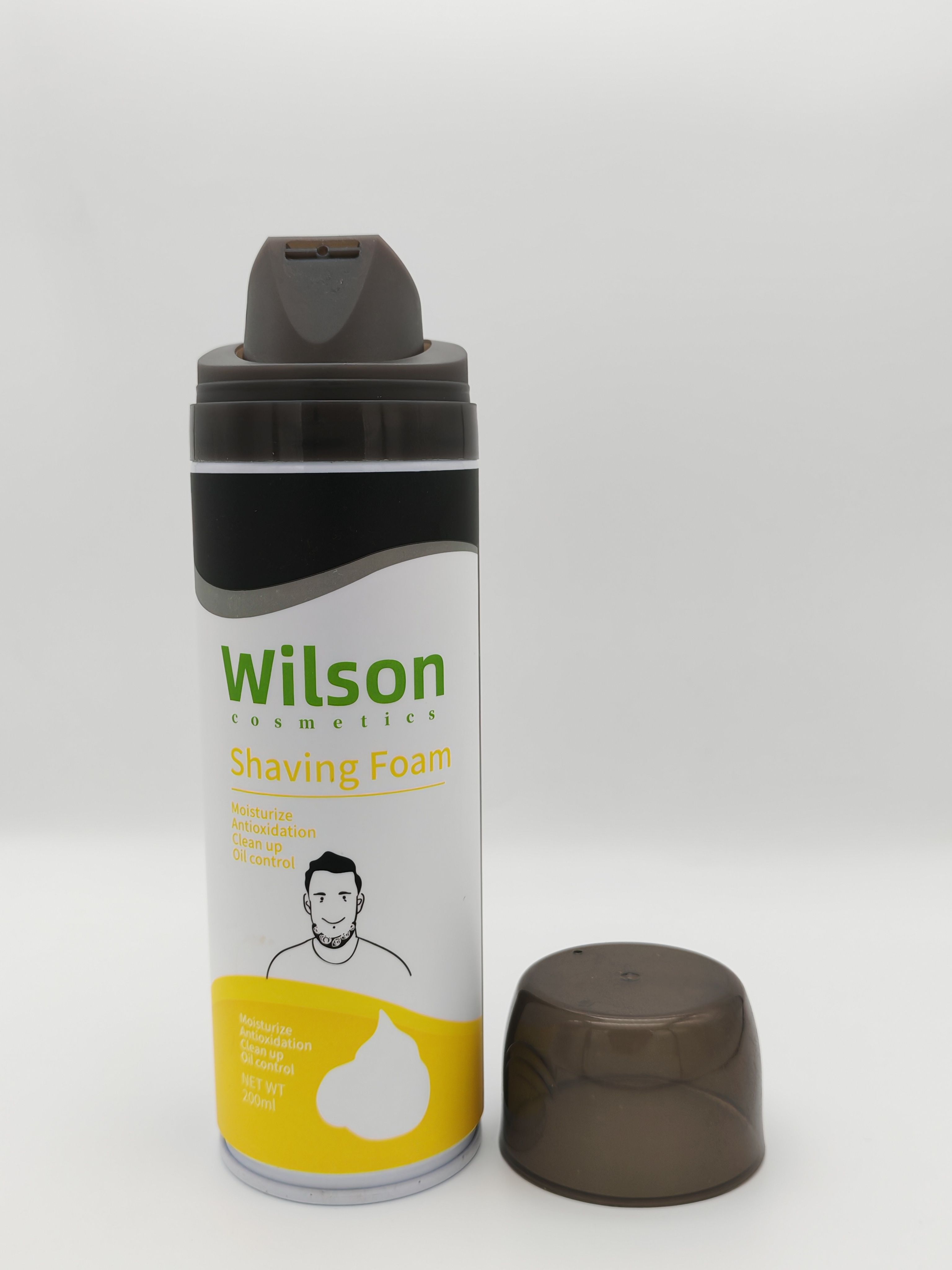
The first batch always looks perfect. It's the third one that shows you who you're really dealing with. A factory that vanishes after a single order usually has a pattern: they quote low, rush production, and quietly ignore your emails once payment clears. To weed them out, ask for a list of clients who have ordered repeatedly for at least two years. Then actually call one or two of them. Most people skip this step because it feels awkward, but a five-minute conversation will tell you more than any audit report.
Pay attention to how they handle small problems before you commit. Send a minor specification change during sampling. A partner worth keeping will respond with a clear process and a realistic timeline. A fly-by-night shop will either agree instantly without thinking or push back with vague excuses. Also, check their raw material purchasing history. A stable factory keeps consistent stock levels and can name their upstream suppliers without hesitation. If they dodge questions about where their aluminum or plastic comes from, that's a red flag.
Finally, structure the first order as a trial, not a marriage. Split it across two production runs with a gap of at least eight weeks. Set up a shared quality checklist that both sides sign off on after each run. The ones who welcome this extra layer of accountability are the ones planning to be around for your fifth batch. The ones who complain about micromanagement are already looking for the exit.
Formulation Choices That Make Your Shaving Foam Feel Premium
Swap the usual wall of airy lather for a denser, cushion-like foam built on a base of glycerin and shea butter. That shift alone changes how the blade glides—less tug, more float—and leaves skin feeling wiped with a cool cloth rather than stripped dry.
A premium feel often comes from what you can’t see right away: oat beta-glucan and panthenol tucked into the foam to calm redness before it starts, plus a touch of cold-pressed jojoba so the foam breaks down into a thin emollient film instead of vanishing on contact. It reads as slickness under the fingers, not grease.
Then there’s the scent arc. Skip the artificial “ocean breeze” and opt for steam-distilled lavender or a whisper of sandalwood absolute. Because the foam sits on your face for minutes, the fragrance should feel like a brief drift through a greenhouse, not a cologne counter. When the foam rinses away, what lingers is only the memory of soft water and a faint herbal note on your palms.
Designing a Can That Sells Itself on a Crowded Shelf
A can doesn’t get a second chance to make a first impression, especially when it’s squeezed between dozens of competitors on the same shelf. The real trick is to stop designing for a static product shot and start thinking about how the can behaves in a cluttered retail environment. That means considering how the label reads when partially hidden, how the color blocks hold up under harsh fluorescent light, and whether the brand name is still legible when the can is turned backward or stacked sideways.
Instead of relying on a loud logo or a single visual gimmick, successful shelf-ready can designs use a hierarchy of visual cues—bold typography, a distinctive color palette, and a simple icon or pattern that repeats around the entire circumference. This way, even a sliver of the can communicates the brand. Texture also plays a surprisingly big role: a matte finish next to glossy competitors can feel more premium, while an embossed logo invites a tactile grab. The goal isn’t to shout louder than the next can, but to make the shopper’s eye land on yours first and understand what it is within half a second.
Finally, think about the story the can tells before anyone reads a single word. Color psychology and shape language can hint at flavor, mood, or occasion—cool blues for a crisp sparkling water, warm sunset tones for a mango energy drink, a taller slim can for a premium cocktail mixer. When the design feels intuitive, the can sells itself without needing a shelf tag or a salesperson. The best shelf-ready can is the one that looks like it belongs in the shopper’s hand, not just on the shelf.
The Compliance Checklist Every Private Label Foam Needs
Most private label foam launches get held up not by the foam itself, but by missing paperwork. Start with flammability: if the product is a mattress or a sleep surface sold in the U.S., it needs to pass 16 CFR Part 1633 open-flame testing, not just the older cigarette-smolder standard under 16 CFR Part 1632. California’s TB 117-2013 applies to upholstered furniture, so know which category your foam falls into before you pay for the wrong test.
Next, emissions and restricted substances. A current CertiPUR-US or OEKO-TEX certificate can cover VOC limits, heavy metals, formaldehyde, and phthalates, but check the scope: not every foam grade is automatically included. If you export to the EU, REACH candidate list screening matters, and UK domestic use may require a separate fire safety schedule. California Prop 65 warnings can kick in if listed chemicals exceed safe harbor levels, even when the foam passes other standards.
Finally, labeling and documentation. The finished product label should include fiber content, country of origin, care instructions, and a law label if your state or distribution channel requires one. Keep a compliance folder with third-party test reports, batch-level density and hardness records, and supplier declarations updated within the last 12 months. Missing one of these is the fastest way to lose a retail placement after the first audit.
How to Pitch Your Foam to Retailers Without Sounding Like Everyone Else
Most foam pitches die in the first thirty seconds because they lead with density numbers and "premium quality." Retailers have heard that a hundred times. Instead, walk in already knowing what's missing from their shelf. Point to a specific gap—maybe they stock only low-loft pillows for back sleepers but nothing for side sleepers who need higher loft and firmer support. Then show how your foam fills that gap with a simple demo, not a spec sheet. If you can make them say "I hadn't thought of that," you're already different.
Retailers don't buy foam; they buy turns and margin. So stop talking about open-cell structure and start talking about what your product does for their cash register. Bring a one-page breakdown showing your suggested retail price, their landed cost, and the resulting margin compared to the category average. Even better, include a real number: if a store sells twenty units a month, that's an extra $600 in gross profit at your margin. No other foam rep is doing that math for them.
One surprisingly effective move is to admit what your foam isn't good for. Tell the buyer, "If a customer sleeps hot and hates the feeling of sinking, this isn't for them." That honesty lands because every other pitch promises universal perfection. Then offer a low-risk test: a six-unit trial with a small counter display and a couple of free samples for the staff. When the staff actually uses your foam and likes it, they'll sell it without being asked. That's how you stop sounding like everyone else.
FAQ
Focus on their experience with aerosol products, especially foams. Ask for samples and check consistency, lather quality, and fragrance stability. A reliable partner will be transparent about ingredient sourcing and have proper certifications for cosmetics manufacturing.
Yes, most OEM manufacturers offer formulation tweaks. You can adjust fragrance, moisturizing agents, foam density, and even add skin-soothing ingredients like aloe or chamomile. Be clear about your target skin type and desired post-shave feel.
It varies by manufacturer, but many require between 5,000 and 10,000 cans per SKU. Some smaller producers may accept lower runs, though unit costs will be higher. Negotiate based on your launch plan and storage capacity.
After you sign off on samples, expect 45 to 90 days. This includes raw material procurement, filling, quality testing, and packaging. If you need custom artwork on cans, add another two to three weeks for design and plate making.
Standard options include aluminum or tinplate cans with various lining coatings. You can choose different valve systems, actuators, and cap styles. Custom printing, matte or gloss finishes, and unique shapes can help your product stand out on shelves.
Request a detailed quality agreement that covers foam density, pH, viscosity, and fill weight tolerances. Ask for batch samples and third-party testing if possible. Regular audits and clear communication with the manufacturer help catch issues early.
Absolutely. Many OEM partners now offer plant-based surfactants, biodegradable propellants, and cruelty-free testing. You can also explore refillable can designs or compressed formulas that reduce packaging waste.
Avoid rushing into a formula without testing on different skin types. Don't underestimate shipping and storage costs for aerosol cans. Also, make sure your label claims are legally compliant in your target market, as overpromising benefits can lead to regulatory trouble.
Conclusion
Private label shaving foam has moved far beyond the old assumption that it's just a cheaper copy of what the big brands sell. More startups and established grooming lines are realizing they can skip the licensing fees and rigid formulas of name-brand foam and instead work directly with an OEM to create something that fits their audience's exact needs. The real advantage shows up in the details: you can tweak the density of the lather, choose a scent that doesn't smell like every drugstore can, or add ingredients like aloe, witch hazel, or glycerin for a smoother post-shave feel. The key is finding a manufacturer that treats you as a long-term partner rather than a one-off order. Ask for references, visit the facility if possible, and test a small batch before committing. A reliable OEM will be transparent about minimums, lead times, and raw material sourcing, and they won't vanish when you need a tweak or a reorder.
The rest of the job is making sure the can itself does the selling and that the product clears every regulatory hurdle. On a crowded shelf, a private label foam has maybe two seconds to catch a shopper's eye, so the can's shape, label color, and typography need to work together without shouting. Throw in a clear benefit line—like "low residue" or "won't clog razors"—and skip the vague promises. Compliance is just as critical: confirm the formula meets aerosol safety standards, keep batch records, and make sure ingredient lists follow the correct naming conventions for your market. When pitching to retailers, don't lead with "we're private label." Lead with the specific problem your foam solves and back it with samples, margin comparisons, and a restock plan. Retailers want reliable turnover, not another generic SKU, so show them why your foam will move faster than the brand sitting next to it.
Contact Us
Contact Person: Simon
Email: [email protected]
Tel/WhatsApp: +86 13267966849
Website: https://www.wilsoncosmetic.com