

ODM Gas Insulated Switchgear: Revolutionizing Electrical Safety and Efficiency
2025-12-27
In an era where electrical infrastructure demands unprecedented levels of safety and efficiency, the evolution of ODM gas-insulated switchgear (GIS) stands as a pivotal innovation. This technology not only enhances operational reliability but also redefines how we manage power systems in diverse environments. At Lugao, we are at the forefront of this revolution, blending cutting-edge engineering with practical solutions that cater to modern challenges. In this blog, we'll delve into the transformative impact of ODM GIS, exploring how it elevates performance while safeguarding critical assets. Join us as we uncover the key advancements that set this technology apart and highlight Lugao's role in driving this progress forward. Get ready to discover insights that could reshape your approach to electrical safety and efficiency.
Enhancing Electrical Protection with ODM Gas Insulated Switchgear
ODM Gas Insulated Switchgear (GIS) elevates electrical protection by integrating advanced insulation and compact design, creating a robust barrier against faults and environmental hazards. This system employs sulfur hexafluoride (SF6) gas, which offers superior dielectric strength, effectively minimizing the risk of electrical discharges and ensuring reliable operation even in harsh conditions like high humidity or contamination. By confining the switchgear components within sealed, gas-filled compartments, ODM GIS reduces exposure to external elements, enhancing safety and longevity while simplifying maintenance.
The ability to customize ODM solutions allows utilities and industries to tailor GIS configurations to specific site requirements, such as space constraints or varying voltage levels. This adaptability not only optimizes performance but also strengthens protection against unexpected surges and short circuits. With features like integrated monitoring and remote control capabilities, these systems provide real-time insights into operational health, enabling proactive measures to prevent outages and improve grid stability. This approach transforms traditional protection into a dynamic, responsive shield.
Beyond technical benefits, ODM GIS contributes to sustainability by reducing material use and land footprint compared to conventional air-insulated equipment, making it a forward-thinking choice for modern power networks. Its sealed design also minimizes noise and visual impact, ideal for urban or sensitive installations. In essence, enhancing electrical protection with ODM Gas Insulated Switchgear means investing in a resilient, efficient, and scalable solution that safeguards infrastructure while supporting future energy demands seamlessly.
ODM GIS: Boosting Efficiency in Power Distribution Networks
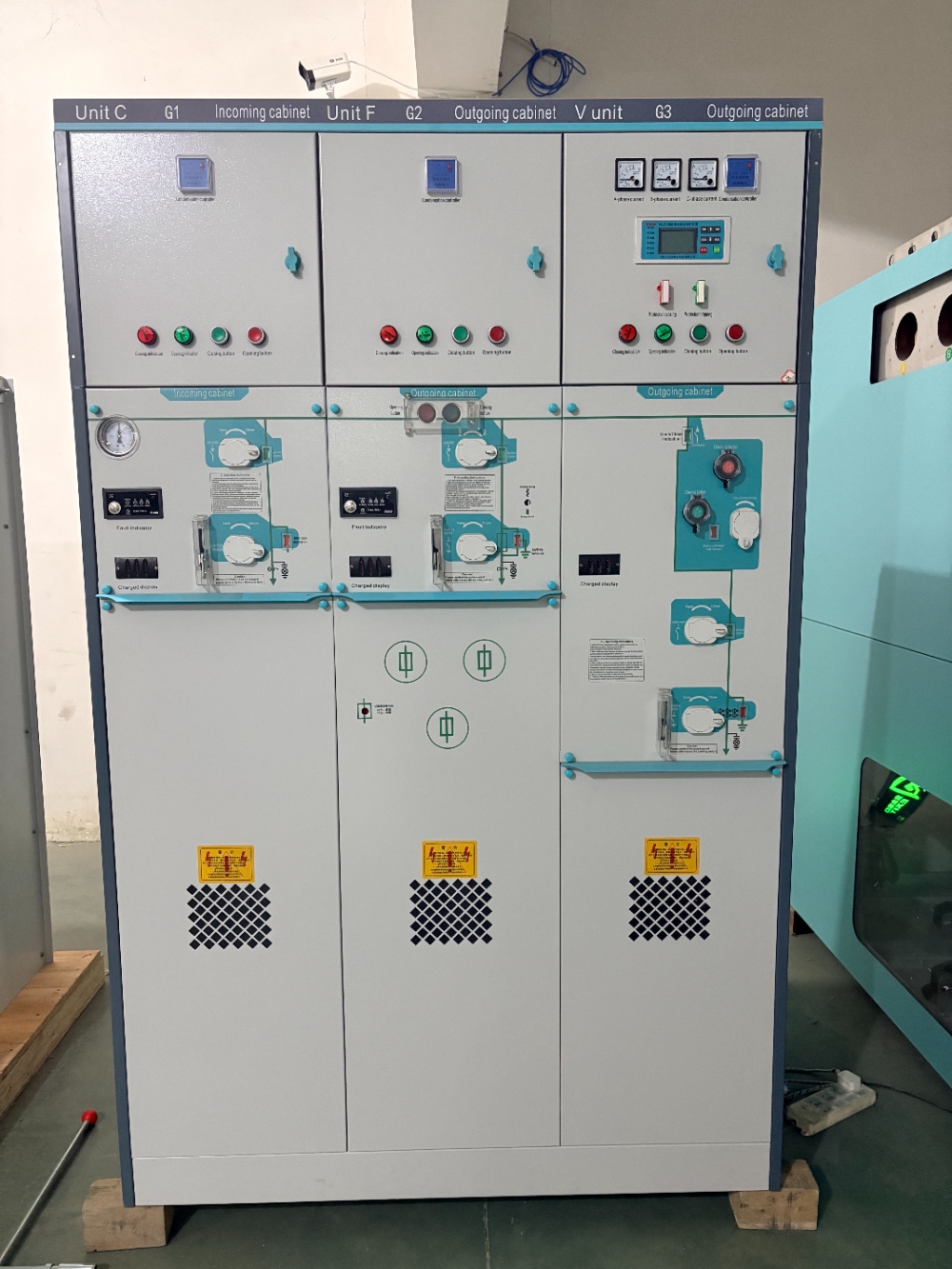
In the evolving landscape of utility management, ODM GIS emerges as a transformative tool that enhances the efficiency of power distribution networks. By integrating operational data with geographic information systems, it allows engineers to visualize grid assets in real-time, pinpointing vulnerabilities and optimizing maintenance schedules. This synergy reduces downtime and streamlines resource allocation, ultimately leading to more reliable electricity delivery to communities.
What sets ODM GIS apart is its ability to adapt to dynamic grid conditions, such as fluctuating demand or environmental disruptions. Unlike traditional systems that rely on static maps, it leverages live data feeds to model scenarios and predict outages before they occur. This proactive approach minimizes service interruptions and empowers utilities to make data-driven decisions, fostering a resilient infrastructure that can withstand modern challenges.
As power grids grow more complex, ODM GIS serves as a critical backbone for innovation, supporting smart grid initiatives and renewable energy integration. It not only improves operational performance but also aids in regulatory compliance and long-term planning. By harnessing this technology, utilities can achieve significant cost savings and enhance customer satisfaction, marking a leap forward in sustainable energy management.
The Role of ODM GIS in Minimizing Outage Risks and Downtime
ODM GIS integrates real-time asset data with historical outage patterns to predict where failures are most likely to occur, enabling utilities to transition from reactive repairs to proactive maintenance. By mapping the entire grid infrastructure—from substations to distribution lines—the system highlights vulnerable sections before they fail, reducing the frequency and duration of unplanned outages.
During disruptive events like storms or equipment malfunctions, ODM GIS quickly visualizes affected areas, helping crews pinpoint damage locations and allocate resources efficiently. This accelerates restoration efforts by minimizing search times and optimizing routing, directly cutting downtime and improving service reliability for customers.
Beyond immediate response, the platform supports long-term resilience by analyzing outage trends and environmental factors to guide infrastructure upgrades. Utilities can prioritize investments in high-risk zones, ensuring the grid adapts to evolving challenges while lowering overall operational risks and maintenance costs.
Innovations in ODM GIS for Sustainable Energy Management
As global energy demands rise, Original Design Manufacturer (ODM) GIS platforms are revolutionizing sustainable energy management through the integration of real-time data analytics and predictive modeling. These systems enable operators to monitor energy production and consumption patterns across vast geographic areas, from solar farms in remote deserts to wind turbines in coastal regions. By leveraging high-resolution spatial data, ODM GIS helps identify optimal locations for renewable energy installations, reducing environmental impact and maximizing efficiency. Innovations in this field also include AI-driven algorithms that forecast energy output based on weather conditions, allowing for proactive grid balancing and waste reduction.
Another key advancement in ODM GIS for sustainable energy is the enhancement of interoperability with IoT devices and smart grids. This connectivity facilitates seamless communication between energy generators, storage units, and distribution networks, enabling dynamic adjustments to power flow. For instance, GIS tools can map and analyze the performance of battery storage systems, predicting degradation and optimizing maintenance schedules to extend lifespan. Such capabilities not only improve reliability but also support the transition to decentralized energy models, empowering communities to manage their own renewable resources more effectively.
Recent breakthroughs in ODM GIS focus on incorporating 3D modeling and virtual reality to simulate energy scenarios before implementation. Developers can use these tools to visualize the impact of new infrastructure on landscapes, assess potential risks like shading on solar panels, and engage stakeholders through immersive presentations. This forward-looking approach encourages innovation by allowing rapid prototyping and testing of sustainable energy solutions, ultimately driving down costs and accelerating adoption worldwide.
ODM Gas Insulated Switchgear: Key Features and Operational Advantages
ODM Gas Insulated Switchgear (GIS) is renowned for its compact design, which significantly reduces the footprint compared to traditional air-insulated alternatives. This space-saving feature makes it ideal for urban or constrained environments where land is at a premium. By utilizing sulfur hexafluoride (SF6) gas as an insulating medium, GIS offers superior dielectric strength, ensuring reliable performance even under high-voltage conditions. The sealed enclosure not only enhances safety by preventing external contamination but also minimizes maintenance needs, contributing to long-term operational efficiency.
Operational advantages of ODM GIS include enhanced reliability and reduced downtime. The gas insulation system is less susceptible to environmental factors such as moisture, dust, or pollution, which can degrade air-insulated equipment over time. This resilience translates to fewer interruptions in power supply and lower risk of failures. Additionally, the modular nature of GIS allows for easier expansion or reconfiguration of electrical networks, providing flexibility to adapt to changing energy demands without significant overhauls. These features collectively support a more stable and sustainable power infrastructure.
Innovations in ODM GIS further distinguish it through advanced monitoring and control capabilities. Integrated sensors and smart technologies enable real-time diagnostics, predictive maintenance, and remote operation, boosting overall system intelligence. This proactive approach helps optimize energy distribution, reduce operational costs, and extend the equipment's lifespan. By combining robust construction with cutting-edge functionality, ODM GIS stands out as a forward-thinking solution that addresses modern electrical challenges while prioritizing safety and efficiency in diverse applications.
Future Trends and Applications of ODM GIS in Modern Infrastructure
ODM GIS is set to reshape infrastructure planning by integrating real-time data from IoT sensors, enabling dynamic modeling that adapts to changing environmental and urban conditions. This trend emphasizes predictive analytics for proactive maintenance, reducing costs and enhancing resilience against natural disasters.
Applications are expanding into smart cities, where ODM GIS optimizes traffic flow through AI-driven simulations and supports sustainable development by analyzing energy efficiency and resource allocation. It facilitates collaborative platforms for stakeholders, streamlining project approvals and public engagement.
Looking ahead, advancements in machine learning will allow ODM GIS to automate decision-making in infrastructure projects, from site selection to construction monitoring. This evolution promises more adaptive and responsive urban environments, tailored to community needs and global sustainability goals.
FAQ
ODM GIS revolutionizes electrical systems by using sulfur hexafluoride (SF6) gas for insulation and arc-quenching, drastically reducing space requirements and enhancing safety in confined or harsh environments where air-insulated switchgear falls short.
By enclosing live parts in pressurized gas-tight compartments, it minimizes risks of electrical faults, fire hazards, and exposure to high voltages, making it ideal for densely populated urban areas or facilities with strict safety protocols.
It boosts efficiency through lower energy losses due to superior insulation properties, reduced maintenance needs from fewer exposed components, and faster installation times, leading to cost savings and enhanced grid reliability.
This technology excels in high-voltage power transmission, substations, data centers, renewable energy projects like wind farms, and industrial plants where space constraints and reliability are critical factors.
While SF6 gas has a high global warming potential, ODM GIS units are designed with sealed systems to prevent leaks, and newer models incorporate eco-friendly gas alternatives or recovery systems to mitigate environmental impact.
Yes, it offers flexibility in design—customizable for voltage ratings, compartment layouts, and monitoring features like smart sensors for real-time diagnostics, ensuring tailored solutions for diverse infrastructure demands.
Although initial costs may be higher, long-term savings accrue from reduced maintenance, extended lifespan due to corrosion resistance, and minimized downtime, making it a cost-effective investment over decades of operation.
It seamlessly connects with digital control systems, enabling remote monitoring, predictive maintenance, and automated fault detection, which optimizes energy distribution and supports the transition to smarter, more resilient power networks.
Conclusion
ODM Gas Insulated Switchgear (GIS) represents a transformative innovation in electrical systems, revolutionizing both safety and efficiency across power distribution networks. It enhances electrical protection by utilizing sulfur hexafluoride (SF6) gas as an insulating medium, significantly reducing the risk of faults, fires, and environmental hazards compared to traditional air-insulated gear. Furthermore, ODM GIS boosts operational efficiency by minimizing energy losses and optimizing space utilization in installations, leading to more reliable and cost-effective power delivery.
By minimizing outage risks and downtime, ODM GIS ensures higher system reliability, which is critical for modern infrastructure demands. Innovations in this technology support sustainable energy management through advanced monitoring and eco-friendly features, aligning with global green initiatives. Key features like compact design, longevity, and ease of maintenance provide substantial operational advantages. Looking ahead, future trends indicate expanded applications in smart grids and renewable energy integration, positioning ODM GIS as a cornerstone for resilient, efficient electrical networks in the evolving landscape of power infrastructure.
Contact Us
Contact Person: Doreen
Email: [email protected]
Tel/WhatsApp: 8618057712366
Website: https://www.liugaopower.com/