

ODM EV Charging Station Manufacturing Partners for Scalable Network Rollouts
2026-11-19
Scaling an EV charging network rarely stalls on demand. It stalls on manufacturing partners who struggle to match site-specific specs, certification timelines, and delivery windows. BEILIN approaches ODM differently: as a build-to-spec partner for operators planning large-scale rollouts, with production flexibility that keeps hardware supply aligned with real deployment schedules. This article looks at what separates a true manufacturing partner from a one-off supplier.
The Hidden Costs of Choosing the Wrong ODM Charging Partner
A lower unit price rarely reflects the full cost of a charging product. When an ODM partner trims spending on input capacitors, thermal pads, or firmware validation, the consequences don't appear in the first samples—they appear months later as overheating, unstable power negotiation, or packs that charge slower after a few dozen cycles. By then the bill of materials looks identical on paper, but the field data tells a different story.
There are also quiet operational costs that never show on an invoice. Delayed design feedback, undocumented component substitutions, and incomplete test reports push your team into extra debugging rounds, rework, and missed retail windows. A partner that can't hold a revision schedule turns a six-month launch into nine, and the added freight, tooling changes, and inventory write-offs usually outweigh the upfront savings.
Finally, the wrong partner shifts long-term risk onto your brand. Warranty claims, return handling, and support tickets multiply when chargers fail in real-world conditions, and each failure erodes buyer trust far beyond the cost of a replacement. Switching suppliers later means paying for re-validation and tooling all over again, so the cheapest quote often becomes the most expensive route to market.
Why Modular Hardware Wins When Rollout Timelines Slip
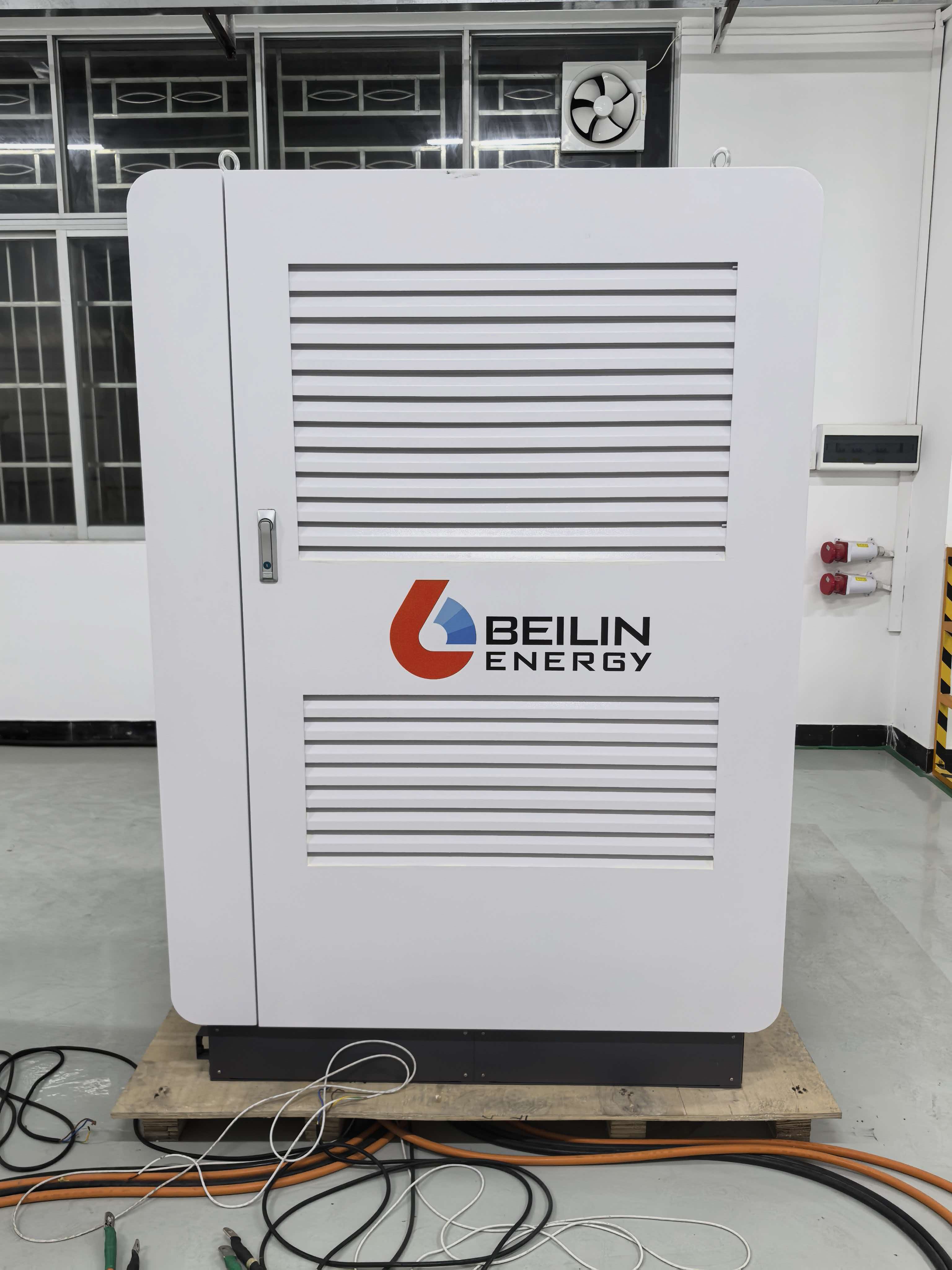
When a launch date slips, a tightly integrated design tends to turn every supply hiccup into a full stop. Modular hardware breaks that chain. If one radio module or power stage gets stuck in certification, the rest of the system can still move through bring-up, bench testing, and early firmware work. The team is not waiting for a finished board; they are working with finished pieces.
The practical advantage shows up in procurement and debugging. A connector standard that was chosen early makes it possible to drop in an alternate sensor or controller without redrawing the main board. That means a delayed part stops being a project-wide blocker and becomes a local swap. It also lets engineers validate thermal behavior, signal integrity, and mechanical fit long before the final component arrives, so the schedule absorbs less damage.
There is also a quieter benefit: revisions get cheaper. With a modular layout, a late-stage change usually touches one replaceable block rather than triggering a full relayout and a fresh round of compliance testing. Over time that lowers the cost of uncertainty, which is exactly what rollout slips create.
Reading Between the Lines of Compliance and Grid Codes
Grid codes rarely read like a single standard; they are layered documents shaped by national regulations, regional utility preferences, and older technical assumptions that no one has fully removed. A clause that appears precise on first reading often depends on an annex, a footnote, or a local interpretation that changes how inverters, transformers, and protection relays are expected to behave. Engineers who stay strictly at the surface of the text may complete a connection study and still miss the operating constraints that emerge only during commissioning.
Some requirements are treated as firm limits while others become quiet negotiation points. The phrase where practicable or as agreed with the network operator is a signal that written approval, not just equipment performance, determines acceptance. Field experience shows that utilities often scrutinize a few hidden parameters: short-circuit contribution, reactive power response time, rate-of-change-of-frequency ride-through, and communication latency. If these are not documented clearly, approval can stall even when the formal checklist looks green.
Compliance is not a one-time state. Grid conditions drift, protection settings age, and the original assumptions behind a simulation may no longer match the local feeder. Reading between the lines means tracing each requirement back to the physical risk it was written to manage, then testing the plant against that risk rather than against the paper wording. Operators who keep updated protection coordination studies, relay event records, firmware versions, and site-specific harmonic measurements turn legal compliance into something closer to operational resilience.
Service Networks Matter More Than Initial Unit Pricing
A low sticker price means very little when a critical machine sits idle because the nearest technician is three states away. Buyers who look past the quote tend to ask how many trained engineers are actually based in their region, how quickly parts can be delivered, and whether the supplier has a record of resolving failures on the first visit instead of scheduling repeated callbacks.
Network density changes the real cost of ownership. A modestly priced unit with a responsive local service team can stay productive for years, while a cheaper option with weak support can burn through its savings in a single stretch of downtime. The real question is how much production you lose while waiting for help to arrive.
Initial unit pricing is only a snapshot. Service infrastructure is the longer story. Companies that prioritize accessible parts, short response windows, and accountable local distributors tend to avoid the hidden drain of overtime labor, expedited shipping, and missed deadlines that an attractive invoice never shows.
Keeping Supply Chains From Stalling Network Expansion
Expanding a distribution network usually looks great on a map until the parts needed to build it get stuck in the same bottlenecks the new sites were supposed to ease. Warehouses sit half-finished because steel racks arrive late, forklifts are backordered, and the conveyor system waits on a single component from a supplier that hasn't shipped in three weeks. Keeping the buildout moving means treating construction materials and equipment as part of the supply chain rather than a one-time purchasing task, with buffer stock held close to the site and delivery dates tied to actual production lead times instead of optimistic estimates.
One practical shift is to stagger expansion so each new node adds capacity without pulling every critical resource into one timeline. If three regional hubs are scheduled to go live in the same quarter, they'll compete for the same contractors, permits, and materials, and any delay at one can ripple into the others. Spacing out launches and pre-ordering long-lead items like switchgear or racking systems gives the network room to absorb disruptions instead of stalling on them. It also helps to have a local fallback plan for common items, so a missing bracket or cable doesn't idle a whole crew.
Finally, visibility into supplier lead times matters as much for expansion as it does for daily replenishment. Teams that track vendor delays early can shift orders, resequence work, or swap in alternate materials before a shortage becomes a stop-work order. That kind of flexibility keeps the new facility from becoming another bottleneck and makes sure the network actually expands instead of just breaking ground.
Designing Chargers That Won't Need a Rework in Two Years
Most charger failures trace back to decisions made before the first prototype ever touches a bench. The trick is to stop treating every component as a fresh pick and instead build a shortlist of parts you already trust under thermal stress, voltage drift, and repeated plug cycles. That small habit removes the biggest source of late-stage surprises: a connector that looked fine on paper but turns brittle after a few hundred insertions.
Then comes the uncomfortable part—actually testing the charger the way a distracted user would. Leave it coiled under a laptop, jam the cable at odd angles, run it at full load in a warm room for days. Most designs die not from a dramatic flaw but from a slow accumulation of marginal choices. If you document which of those choices need revisiting and which held up, the next revision becomes a short list rather than a rescue mission.
Aim for a bill of materials that can stay stable for at least two production runs. When a supplier discontinues an inductor or a USB controller gets replaced, the redesign cost often outweighs the original component savings. Checking lifecycle status and second sources before locking the design is not extra work—it is the difference between shipping a product and babysitting a product line.
FAQ
Start with production capacity and lead time consistency, but also check whether the partner has handled regional grid compliance and weather-hardened enclosures. A manufacturer that only assembles boards may struggle with outdoor reliability requirements.
Modular designs let teams replace power modules, cable management, or controllers without swapping the entire unit. That reduces on-site downtime and allows depots to phase upgrades instead of stalling an entire corridor.
Usually the bottleneck sits in certification, local permitting, and utility coordination. An experienced ODM can pre-stage documentation, offer pre-certified configurations, and align enclosure ratings with AHJ expectations.
In-house sheet metal, powder coating, cable harness production, and burn-in testing all shorten the path from prototype to field-ready units. It also gives the partner more control over tolerances and finish quality.
Choose an ODM that treats OCPP and controller integration as a core part of the product, not as an aftermarket add-on. Ask for reference deployments where the hardware works with multiple charge point management systems.
One partner can simplify logistics and version control, but regional partners may reduce import friction and speed up local service. The better path is often a lead ODM with regional finishing or support hubs.
Include tiered capacity commitments, transparent component sourcing, safety stock terms, and penalties for repeated lead-time misses. Also lock in firmware update responsibilities and lifecycle support expectations.
Conclusion
Scaling an EV charging network rarely comes down to the hardware price on a quote. The less visible costs surface when a manufacturing partner falls behind on grid code updates, leaves service gaps in key regions, or forces a complete redesign because the initial enclosure cannot accept next-generation power modules. A partner with modular hardware gives operators room to adjust when permits slip or utility timelines move, swapping capacity without ripping out cabinets. Compliance conversations matter just as much as the certificate on paper: some ODMs chase approvals for one market while quietly relying on local subcontractors who understand local grid behavior only after repeated failures.
Service depth and supply chain control often outweigh the initial unit price. A charger that sits dark for two weeks because a control board is stuck in transit erodes driver trust faster than a slightly higher upfront cost. Strong ODMs keep buffer stock for critical components and design around long-life parts so a two-year-old unit does not require a mid-life rework. Reading between the lines of grid codes means testing for voltage fluctuations, reactive power requirements, and interoperability with utility demand response systems before deployment, not after. The right partner treats manufacturing as a rolling operational commitment rather than a one-time purchase, which is what ultimately keeps network expansion moving without repeated stalls.
Contact Us
Contact Person: Jason
Email: [email protected]
Tel/WhatsApp: 8615876017548
Website: https://www.bei-lin.com/