
High Speed Sanitary Napkin Making Machine Efficiency & Production Optimization Guide
2026-03-10
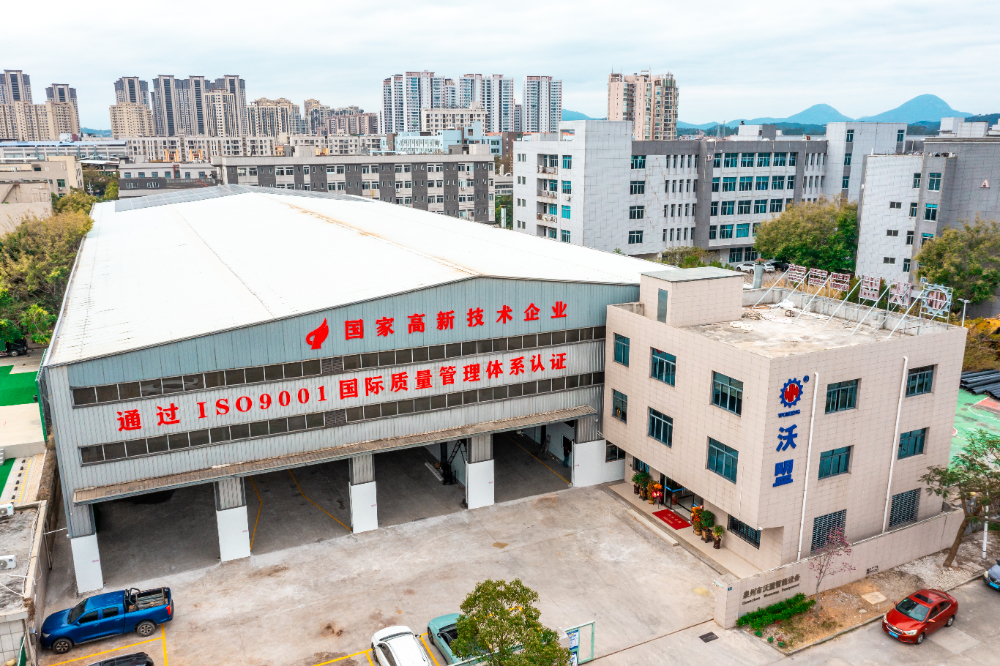
In the fast-paced world of feminine hygiene production, optimizing machine efficiency isn't just an operational goal—it's a competitive edge. This guide dives into the critical aspects of high-speed sanitary napkin making machines, offering actionable insights to boost production while maintaining quality. Whether you're a factory manager or a tech enthusiast, you'll find practical tips to streamline processes and reduce downtime. Brought to you by Womeng, a leader in innovative machinery solutions, this resource is designed to help you stay ahead in a dynamic industry. Let's explore how smarter operations can transform your output—starting with the details that matter most.
Optimizing Production Speed for High-Speed Sanitary Napkin Machines
In the fast-paced world of sanitary napkin manufacturing, pushing the speed of high-speed machines to their limits can be a game-changer for meeting market demands. Beyond simply cranking up the RPM, true optimization involves a careful balance of mechanical precision, material handling, and process flow. Many manufacturers focus on incremental tweaks, but the real breakthroughs often come from rethinking how machine components interact under stress, ensuring that every fold, cut, and seal happens flawlessly at top speeds.
One often overlooked aspect is the synchronization of feed systems and cutting mechanisms—even a slight misalignment can lead to jams or defects that slow everything down. By implementing advanced sensors and real-time feedback loops, these machines can self-correct on the fly, maintaining consistent quality without sacrificing pace. It's not just about raw power; it's about smart engineering that anticipates bottlenecks before they become problems, turning potential downtime into seamless production runs.
From a practical standpoint, optimizing production speed also means tailoring maintenance schedules to high-speed operations, where wear and tear accelerate. Using predictive analytics, teams can schedule interventions during natural pauses, minimizing interruptions. This proactive approach, combined with ergonomic adjustments for operators, ensures that the entire system—machine and human—works in harmony to achieve peak efficiency, making high-speed sanitary napkin machines not just faster, but more reliable and cost-effective in the long run.
Enhancing Machine Efficiency Through Advanced Maintenance Routines
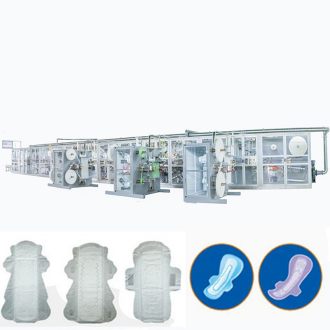
Advanced maintenance routines go beyond basic checks, integrating predictive analytics and real-time monitoring to proactively identify potential failures before they disrupt operations. By leveraging IoT sensors and data-driven insights, these strategies minimize downtime and extend equipment lifespan, transforming reactive fixes into a streamlined, efficient process. This shift not only reduces unexpected breakdowns but also optimizes performance, ensuring machines operate at peak capacity consistently.
Implementing such routines involves customizing schedules based on usage patterns and historical data, rather than relying on generic timelines. For example, a manufacturing plant might use vibration analysis to detect early signs of wear in critical components, allowing for precise, timely interventions. This tailored approach cuts unnecessary maintenance costs and enhances overall productivity, making it a smart investment for any industrial setting.
Moreover, integrating advanced maintenance with employee training fosters a culture of continuous improvement, empowering teams to contribute to efficiency gains. By embracing these innovative practices, organizations can achieve sustainable operational excellence and a competitive edge in today's fast-paced market.
Key Strategies for Reducing Downtime in Napkin Manufacturing
To cut downtime in napkin production, start by investing in predictive maintenance for key equipment like embossing rollers and glue applicators. This means using sensor data to detect wear and tear early, avoiding sudden breakdowns that halt lines. By scheduling repairs during planned pauses, you can keep the flow going without nasty surprises.
Another smart move is standardizing training so all operators handle machines consistently, reducing errors that cause stoppages. Pair this with a lean inventory system for materials like paper pulp and dyes, ensuring supplies are on hand without clutter that slows changeovers. Quick, clear protocols for shifts and cleaning also help minimize idle time between runs.
Don't overlook the impact of digital tools—real-time monitoring dashboards can flag inefficiencies before they escalate, allowing swift tweaks. Encouraging team feedback on daily hurdles fosters a proactive culture where small fixes prevent bigger delays, keeping those napkins rolling out smoothly.
Best Practices for Quality Control in High-Speed Napkin Production
To maintain excellence in high-speed napkin production, it's essential to implement rigorous material checks. Start by sourcing high-grade, uniform paper rolls from reliable suppliers, as consistency in texture and thickness directly impacts the final product's durability and softness. Regularly test incoming batches for moisture content and tensile strength to prevent issues like tearing or premature wear during use, ensuring every napkin meets customer expectations from the start.
Integrating real-time monitoring systems into the production line can significantly reduce defects. Use advanced sensors to track variables such as cutting precision, embossing depth, and folding accuracy, allowing for immediate adjustments. This proactive approach minimizes waste and enhances efficiency, ensuring that each napkin is produced to exact specifications without sacrificing speed.
Foster a culture of continuous improvement by empowering staff with regular training and clear quality benchmarks. Encourage team members to report anomalies and suggest optimizations, turning everyday operations into opportunities for refinement. This collaborative effort not only boosts morale but also leads to innovative solutions that set napkin production apart in a competitive market.
Innovative Techniques to Boost Output in Sanitary Napkin Lines
By integrating automated inspection systems at critical points along the production line, manufacturers can dramatically reduce human error and downtime. These systems, equipped with high-speed sensors and AI-driven algorithms, detect defects in materials like absorbent cores and elastic components with pinpoint accuracy, allowing for immediate adjustments. This not only slashes waste by up to 30% but also speeds up overall cycle times, ensuring a smoother, more reliable output without sacrificing quality.
Advanced modular designs are revolutionizing how lines are configured, enabling rapid changeovers between product variants. Through the use of plug-and-play components, factories can switch from producing ultra-thin napkins to overnight pads in minutes, rather than hours. This flexibility minimizes idle time and maximizes machine utilization, boosting production capacity by as much as 40% while catering to diverse consumer demands effortlessly.
Embracing real-time data analytics transforms production floors into smart environments where every machine's performance is monitored continuously. Predictive maintenance alerts operators to potential failures before they occur, preventing costly breakdowns. Coupled with energy-efficient technologies that optimize power usage during high-speed operation, these innovations cut operational costs by 20% or more, making the entire process not just faster but also more sustainable and cost-effective.
Leveraging Data Analytics to Refine Napkin Machine Performance
To truly elevate the efficiency of napkin machines, operators are tapping into advanced data analytics to uncover patterns and bottlenecks that manual inspections often miss. By integrating sensors and IoT devices, these systems collect real-time data on variables such as material feed rates, cutting precision, and energy consumption, enabling a granular view of each production cycle. This approach allows teams to move beyond reactive maintenance, identifying subtle trends—like minor misalignments or wear on components—before they escalate into costly downtime or product defects, ultimately streamlining operations and boosting overall output.
Beyond just monitoring, leveraging analytics transforms raw data into actionable insights through predictive modeling and machine learning algorithms. For instance, analyzing historical performance can forecast when key parts, such as folding mechanisms or sealing units, are likely to fail, facilitating proactive replacements and reducing unplanned interruptions. It also aids in optimizing settings for different napkin types—whether adjusting pressure for thicker materials or tweaking speed for intricate designs—ensuring consistent quality and minimizing waste, which is particularly valuable in high-volume manufacturing environments where even small gains add up significantly.
In practice, the implementation involves a collaborative effort across engineering and data science teams to tailor analytics solutions to specific machine configurations and production goals. By creating dashboards that visualize key metrics, operators can quickly assess performance and experiment with adjustments in real-time, fostering a culture of continuous improvement. This data-driven refinement not only enhances machine reliability and lifespan but also drives innovation, as insights from analytics might inspire design tweaks or new process enhancements, keeping manufacturers competitive in a dynamic market focused on efficiency and sustainability.
FAQ
Key factors include machine design, material quality, maintenance schedules, operator skill, and production line integration.
Optimizing involves calibrating machine settings, using high-grade materials, implementing real-time monitoring, and training operators for quick adjustments.
Recommended practices include regular inspections, timely lubrication, component replacements as needed, and cleaning to prevent buildup.
Yes, challenges include increased wear, higher energy use, and quality control. Address them by upgrading parts, optimizing workflows, and using advanced sensors.
Automation streamlines processes, reduces human error, enables faster speeds, and allows for data-driven adjustments to improve efficiency.
Material selection affects absorption, durability, and machine compatibility, influencing production speed and final product quality.
Conclusion
The “High Speed Sanitary Napkin Making Machine Efficiency & Production Optimization Guide” provides comprehensive insights into maximizing the performance of modern napkin manufacturing lines. It emphasizes optimizing production speed through precise calibration and synchronization of machine components, ensuring smooth, high-throughput operations without compromising quality. Additionally, the guide delves into advanced maintenance routines that go beyond basic checks, incorporating predictive analytics and scheduled overhauls to prevent unexpected breakdowns and extend equipment lifespan. By integrating these practices, manufacturers can significantly reduce downtime, a key focus area that addresses common bottlenecks through streamlined workflows and rapid troubleshooting protocols.
Further enhancing efficiency, the guide highlights best practices for quality control in high-speed environments, where real-time monitoring and automated inspection systems are crucial for maintaining product consistency. Innovative techniques, such as adaptive material handling and energy-efficient designs, are explored to boost output while leveraging data analytics to refine machine performance. This data-driven approach allows for continuous improvement by analyzing production metrics, identifying inefficiencies, and implementing targeted adjustments. Overall, the guide serves as a practical resource for achieving operational excellence, blending technical strategies with real-world applications to help manufacturers stay competitive in a fast-paced industry.
Contact Us
Contact Person: Jessie Lai
Email: [email protected]
Tel/WhatsApp: 86-188594442931
Website: https://www.wm-machinery.com