

Gray Iron Casting Supplier Tips for Finding a Reliable Partner
2026-10-04
Finding a dependable gray iron casting supplier is less about luck and more about knowing where to look. Many buyers focus only on price and then pay for it later through inconsistent graphite structure, shrinkage defects, or missed shipments. In this post, we walk through the practical checks that separate a true casting partner from a risky vendor—and where Zhaoyuqi stands out in that evaluation.
The Scrap Rate Conversation Most Gray Iron Buyers Skip
Every gray iron buyer knows the scrap rate gets buried in the back of a spreadsheet, next to the tolerances nobody reads twice. Yet the number quietly controls whether a casting run bleeds money or clears a margin. Ask a foundry for their scrap percentage and you might get a shrug, a rounded figure, or a rate pulled from a quarter that looked unusually clean. The buyers who skip this conversation end up paying for it in rework, late shipments, and a supplier relationship built on guesswork.
There is a reason the scrap rate stays vague: it exposes everything a foundry would rather not explain. High scrap on a gray iron job often traces back to pattern wear, inconsistent sand moisture, or a pour temperature that drifts when the night shift gets busy. A buyer who asks for the rate on your specific part, not the plant average, starts seeing who actually controls their process. The ones who never bring it up inherit the foundry's hidden cost of doing business, baked into every pound they buy.
The most useful scrap conversation does not start with a demand for a single number. It starts with a simple question: how often do you scrap this part, and what happens to it when you do? If the answer is a recycled runner instead of a clear corrective action, you have learned something no quote will ever show. Gray iron buyers who skip this end up managing surprises instead of suppliers. Those who lean into it turn an uncomfortable metric into a real negotiation tool.
Why Melting and Inoculation Controls Matter More Than the Quote
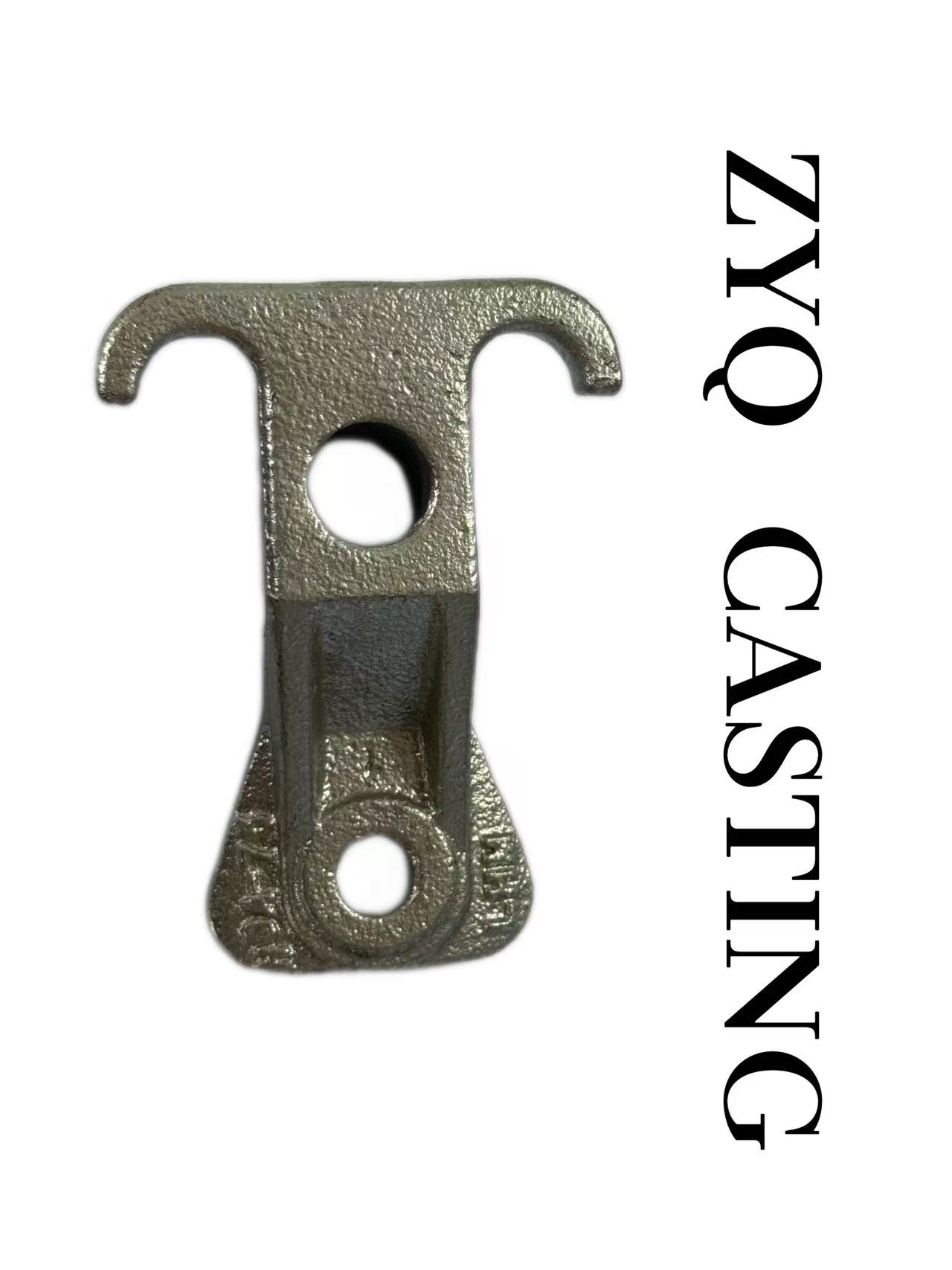
In most foundries, the difference between a good casting and a scrap one isn't decided at the quoting stage. It's decided on the melt deck. A lower price often reflects looser control over charge materials, tap temperatures, and holding times. Those variables don't show up in a print, but they show up as porosity, hard spots, or failed pressure tests weeks later.
Inoculation is equally easy to undercut. It's a step that can be rushed, skipped, or done with cheaper materials that fade before pouring is complete. The result is a casting that meets the chemistry on paper but lacks the fine grain structure and consistency the part actually needs. Cheap inoculation doesn't leave a fingerprint on the invoice, but it leaves one on the machined surface.
That's why experienced buyers treat the quote as a starting point, not a decision. They ask for melt logs, thermal analysis records, and inoculation practice before signing. The real cost isn't the price per kilogram. It's what happens when a batch arrives brittle, porous, or out of tolerance after you've already committed to a delivery date.
A Quick Way to Check If Their Machining Partners Actually Hit Tolerances
Instead of taking a supplier’s word for it, ask for the actual inspection data from the last three runs of your part. A quick email requesting the CMM output or a scanned first article report—complete with measured values, nominal dimensions, and tolerance ranges—will tell you more than a polished quality certificate. If they hesitate or only send a summary page, that’s your red flag.
Another fast check is to have them measure a simple gauge block or a reference part you’ve already verified in-house. Send it over with no tolerance marked on the drawing, then compare their numbers to your own. A shop that consistently nails tight tolerances won’t blink at this; they’ll return the measurements within a day, often with the raw data file attached.
You can also ask for a video call where they walk through the inspection setup on a live part. Seeing how the probe touches the feature and how the software captures deviations reveals whether they truly control the process or just check a box. The goal isn’t to catch them lying—it’s to confirm they measure what matters without needing a two-week audit.
The Hidden Cost of Cheap Gray Iron You Won't See on the Invoice
Cheap gray iron often arrives looking fine. The real trouble starts at the machine. Pockets of hard spots, inconsistent graphite structure, and micro-porosity don’t show up on a mill certificate, but they chew through tooling and leave rejects stacked by the bin.
Then there’s the geometry that's close, but not quite right. Extra stock here, a shifted core there—small enough to pass a quick incoming check, big enough to add hours of setup and hand fitting on your line. Every adjustment eats margin you never planned to spend.
Finally, the downstream costs surface: premature wear in the field, warranty claims, and a reputation that erodes quietly. Saving a few dollars per casting up front usually means paying for it several times over before the project is done.
Questions That Reveal Whether the QC Team Can Overrule Production
The easiest way to find out if your QC team can actually overrule production is to stop asking about policy and start watching what gets signed at the end of a bad shift. Written procedures rarely settle this. The real answer lives in the concessions, the quiet rework orders, and the "just this once" exceptions that pile up after a line stoppage.
Ask who can release a quarantined batch without a quality sign-off. If the answer is "the plant manager" or "anyone with system access," you already know QC holds are fragile. Then ask what documentation exists when a quality decision is reversed. If there's no record of who overruled, why, and what risk they accepted, the QC team isn't a gate—it's a speed bump.
Pay attention to which group gets questioned after a conflict. When production ships despite a QC block and the subsequent customer complaint lands, does the investigation focus on why QC flagged it late or why production ignored the flag? The direction of that debrief reveals whether quality authority is real or just a box on an audit checklist.
What a Foundry Walkthrough Reveals That Certificates Never Will
A certificate tells you the foundry passed an audit on a particular Tuesday. It says very little about whether the cleanroom booties are actually changed at the gowning bench or if the bunny suits get a quick once-over before the auditor arrives. Walk the floor and you spot the small frictions that no document captures: a wafer cassette left on a pass-through ledge, an operator using a personal phone at the metrology station, a maintenance tag signed for a PM that was clearly performed last month, not last night.
What the walkthrough reveals is how people respond when no one is watching. In one fab, a line engineer might wave off a particle count excursion as just the humidity while the certificate on the wall insists every excursion is logged and investigated. Watch the morning shift handover and you learn whether out-of-control actions are treated as routine or as minor emergencies. Certificates audit the existence of procedures; walking the floor shows whether the procedures live in the muscle memory of the team or only in a controlled document folder.
There is also the matter of physical evidence that no third-party audit can duplicate. The worn paint on a load-lock door, the faint chemical smell near the wet benches, the particular way a furnace tube is loaded by hand instead of by robot—these details tell you how the line actually runs when it is under pressure. A certificate can be renewed with good paperwork and a week of preparation. A walkthrough cannot be faked for long, because the floor reveals its habits in the first ten minutes.
FAQ
Look beyond the quote. A dependable supplier walks you through their material sourcing, shows actual process control data, and invites you to inspect the foundry floor without hesitation. If they can explain why their gray iron consistently hits your hardness and tensile specs, that is a strong signal.
Request recent inspection reports for similar parts, not just generic certificates. Ask about their gating and riser design approach, sand testing frequency, and how they track melt chemistry. A short video call during production can reveal more than any polished brochure.
It tells you how well they plan. A supplier that commits to a realistic lead time and keeps you updated on progress is worth more than one promising the impossible. Ask about their capacity, current backlog, and what happens when a core breaks or a pattern needs repair.
Rarely. Low price often hides shortcuts like lower-grade scrap, skipped heat treatment, or minimal dimensional inspection. Compare quotes line by line: pattern storage, finishing, packaging, and scrap allowance. A slightly higher price with clear accountability usually costs less over a year.
Send them a problematic drawing and see what comes back. A good foundry will suggest draft angle changes, section thickness adjustments, or parting line moves to reduce defects. If they just accept the drawing without comment, they may not be thinking about your part's success.
Ask where their pig iron and scrap come from and how they segregate returns. A foundry that controls charge materials tightly can hold consistent carbon and silicon levels. Also check their scrap rate and what they do with rejected castings, it affects both cost and reliability.
It depends on your assembly needs. A partner that offers rough or finish machining, impregnation, or coating can simplify your supply chain and catch casting defects before they reach your line. Just confirm they have in-house inspection after each step, not just paperwork.
Start with a pilot order and treat it as a test run. Share your field failures and demand feedback openly. Pay on time, communicate forecast changes early, and visit when possible. A reliable gray iron supplier will return that trust with better scheduling priority and problem-solving.
Conclusion
Most sourcing teams fixate on unit price and delivery dates, but the scrap rate discussion rarely happens until a batch of gray iron castings shows up porous or out of spec. A reliable foundry will volunteer their internal scrap data by pattern number, not just a generic "under 2%" claim. Cheap gray iron often hides costs in extra machining hours, unplanned rework, or parts that crack after a few thermal cycles. Walking the foundry floor tells you more than any certificate: look at how they handle returns, whether sand systems are kept clean, and if the pouring line has clear traceability back to the heat number.
Melting and inoculation controls matter more than the quote because gray iron's graphite structure is set in the first minute after treatment. Ask how they verify inoculation on every ladle, not just once per shift. Then check their machining partners: request actual Cpk data from the last three runs of a similar part, not a blanket statement about holding ±0.005". Finally, see if the QC team can stop a shipment without production overruling them. If the quality manager reports to the plant manager instead of a separate chain, rejections often get waived. The foundries worth keeping are the ones that show you their scrap tickets and let you talk to the machinist who actually cut your parts.
Contact Us
Contact Person: Nico Yin
Email: [email protected]
Tel/WhatsApp: 8618561567088
Website: https://www.ductileironparts.com/