

Flame Retardant Blinds Supplier for Safe and Stylish Interiors
2026-09-23
Most of us never test how our window coverings react to heat—until it's too late. That's exactly why ROLLERGY exists. As a flame retardant blinds supplier focused on safe and stylish interiors, we help you design spaces that look effortless while meeting serious fire safety standards. Here's what to look for before you choose your next set of blinds.
Flame Retardant Blinds That Don't Look Like Safety Gear
Most people imagine stiff, shiny polyester or obvious institutional fabrics when they hear “flame retardant.” That outdated image is exactly what modern window coverings have left behind. Today’s flame resistant blinds are woven from natural-looking linen blends, textured cottons, and even wood-look slats that pass for high-end interior design in any living room or bedroom. You can run your hand across the surface and feel the same soft grain you’d expect from untreated fabric, not a chemical coating that screams “utility.”
The trick lies in the way the fibers are engineered at the yarn level. Instead of spraying on a fireproof layer that changes the hand and sheen, manufacturers now build the retardant properties directly into the core of the thread. This means the blind keeps its matte finish, its realistic weave pattern, and its ability to hang with a gentle drape. From wide Roman shades in a warm oat tone to sleek roller blinds in a deep charcoal, the flame resistance stays invisible. Friends will notice the way the light filters through the fabric, not the fact that it meets strict fire codes.
Even better, these designs don’t compromise on everyday practicality. You still get the easy wipe-clean surface, the smooth cordless lift, and the blackout or light-filtering options you’d want in a nursery, kitchen, or rental apartment. The only difference is a quiet peace of mind: if a candle tips or a pan flares, the material won’t fuel the fire. It’s safety that blends into the background, exactly where it should be.
The Certifications That Actually Matter for Fabric Fire Ratings
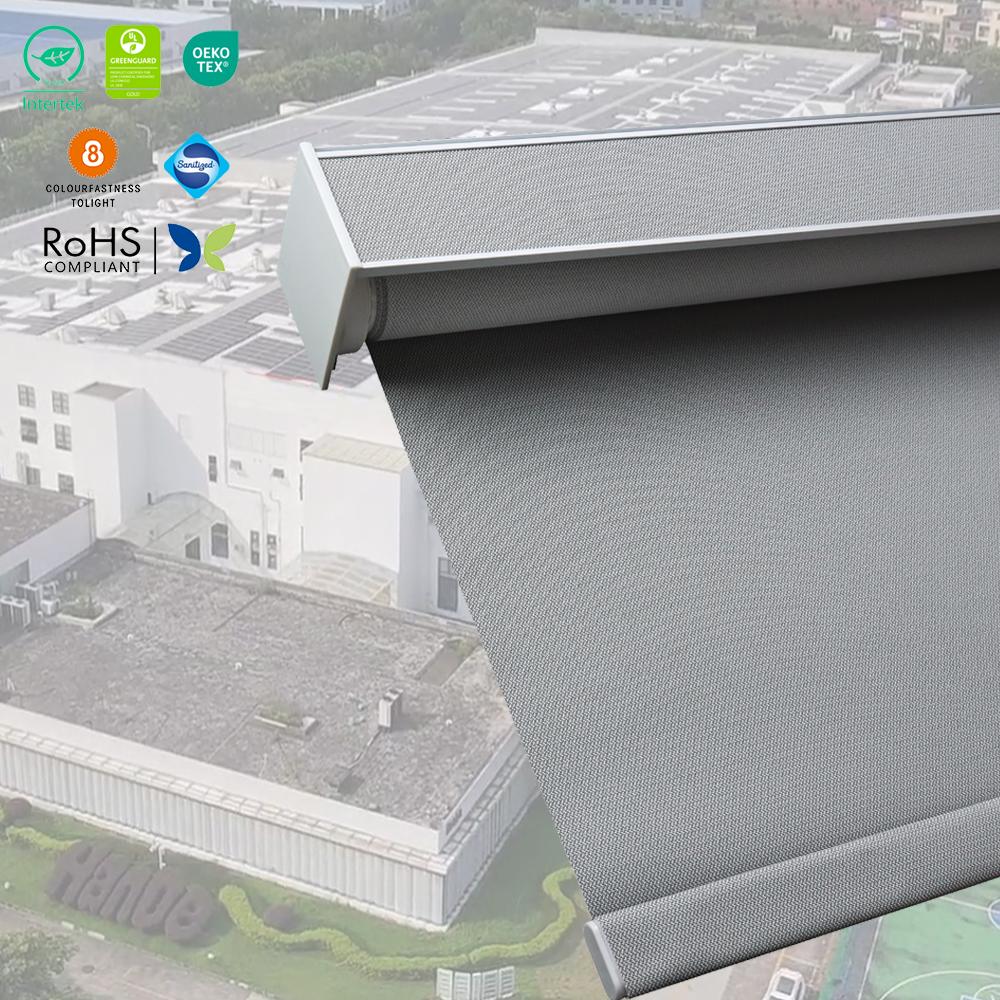
When you're spec'ing upholstery or drapery for a commercial project, it's easy to get lost in a sea of acronyms and test reports. But not every certification carries the same weight in the real world. The ones that genuinely matter tend to come from independent, accredited bodies that test the fabric as it will actually be used—not just a fiber sample in a lab dish. Look for NFPA 701 for drapery and vertical surface treatments, and California Technical Bulletin 117-2013 for upholstered seating. These two are the workhorses of the contract textile industry, and for good reason: they reflect ignition resistance, flame spread, and self-extinguishing behavior under realistic conditions.
Beyond the basics, certain high-risk environments demand stricter protocols. Hospitals, theaters, and high-rise hotels often require ASTM E84 (the Steiner tunnel test) for wall and ceiling finishes, or the more demanding IMO FTP Code for marine interiors. But here's the nuance that gets lost in most spec sheets: a fabric might pass a small-scale test yet fail in a full-room burn scenario. That's why architects and interior designers increasingly cross-reference multiple standards rather than leaning on a single stamp. The certifications that actually matter are the ones that align with the jurisdiction's adopted building code, not the ones that look impressive in a brochure.
And let's not forget about maintenance of the rating over time. A fabric that passes its initial certification can lose its fire-resistance properties after repeated laundering or dry cleaning if it wasn't treated with a durable flame retardant. Some certifications, like those under the NFPA 260 or 261 for upholstery components, include specific cleaning protocols. So when you're comparing two fabrics with the same pass/fail mark, ask about the test method's aging requirements and whether the certifying body requires re-testing after a certain number of wash cycles. That's the difference between a rating that looks good on paper and one that keeps people safe in a real emergency.
How We Test Every Roll Before It Leaves the Warehouse
Every roll that ships from our facility goes through a series of hands-on checks that go beyond a simple visual glance. We start by measuring thickness at multiple points across the width using calibrated micrometers, then compare those numbers against the tolerance band specified for your order. Any roll that shows more than a microscopic deviation is flagged and set aside for a second, independent inspection.
Next, we run a short section from each roll through a controlled unwind-and-rewind cycle at production speed. This step reveals surface defects—wrinkles, edge nicks, or adhesive transfer—that are easy to miss when the roll is static. The operator logs every observation on a physical card that travels with the roll, not just into a spreadsheet, so the next person handling it knows exactly what was checked.
Finally, before packing, the roll receives a core integrity test and a moisture content reading if the material is sensitive to humidity. We also verify the roll hardness with a durometer and compare it to the reference value for that diameter. Only after all these checkpoints are cleared does a roll get the green tape and a signed release tag—no exceptions, no shortcuts.
Designing a Calm Nursery Without Compromising on Safety
A nursery can feel calm without turning into a sterile white box. Warm, muted wall colors like sage or oat reduce visual stimulation, while blackout curtains help signal sleep time. But calm shouldn't mean hiding hazards behind soft layers. Anchor the crib and dresser to wall studs, use cordless window coverings, and keep the sleep area free of bumpers, pillows, and loose blankets.
Texture does a lot of the soothing work if you choose it carefully. A low-pile wool rug, breathable cotton sheets, and a washable glider cushion invite quiet time without collecting dust or overheating a sleeping baby. For small accents, stick to items that are either fully secured or easy to lift and clean—soft storage baskets instead of hard bins, and wall art mounted with screws rather than framed glass within reach.
Lighting often gets overlooked, yet it shapes the room's mood more than any other fixture. A dimmer switch paired with a warm, low-watt bulb lets you move from feeding to bedtime without jarring brightness. Place nightlights low and away from the crib so they guide your path without shining into your baby's eyes. Every choice should pass one simple test: does it lower the room's energy while removing at least one risk?
Matching Your Existing Trim and Paint Colors Exactly
Getting a dead-on match for that existing wall color or the trim around your doors isn't as simple as reading the old can label. Paint fades, even in rooms without much sunlight, and the sheen changes over time too. Start by scraping off a small chip from an inconspicuous area bigger than a fingernail, then take that chip to a paint store with a spectrophotometer. They'll scan it and give you a formula that gets you extremely close, but always ask for a small sample to brush on at home first.
Sheen matters more than most people expect. That satin finish trim you painted five years ago probably reads a touch flatter now, while walls in high-traffic hallways may have developed a slight sheen from cleaning. Bring in a sample of the color on the same surface material if you can—cut out a piece of drywall behind a switch plate, or unscrew a return air vent and paint the back corner of it. If that's too invasive, use a color fan deck to find the closest chip, then have the store tint toward the current look rather than the original formula.
Lighting will trick you every time. A match that looks perfect under the store's fluorescent tubes can shift noticeably in your north-facing living room in the afternoon. Test the new paint on a large piece of poster board and move it around the room for a full day before committing. For trim, paint a section next to the old trim and let it dry completely, then compare under both natural and artificial light. If it's off by a hair, don't repaint everything—most pros will just repaint the entire wall corner to corner rather than trying to touch up a tiny mismatch.
Large Orders for Apartments: What to Expect from a Supplier
Handling large apartment orders requires a supplier who treats each unit as part of a cohesive whole, not just a bulk transaction. You should expect a dedicated account manager who walks you through the entire process, from material selection to final delivery, without forcing you into generic packages. A good supplier will offer modular options that adapt to varying floor plans while keeping the overall aesthetic consistent, so you're not stuck with a one-size-fits-all solution for a dozen different layouts.
Timeline transparency becomes critical when you're ordering for an entire building. A reliable supplier will give you a production schedule broken down by milestone, not just a vague shipping window. They'll also coordinate staging and delivery in phases if your construction timeline demands it, which prevents a loading dock pileup and keeps your project managers from having to sort through hundreds of boxes on site.
Finally, expect a supplier who stands behind the order after it arrives. That means a clear process for reporting damaged pieces, a replacement policy that doesn't require endless follow-up calls, and documentation that helps your installation team match items to the right units. The best suppliers will even offer a post-delivery walkthrough call to catch any issues before the final punch list, saving you from chasing problems weeks later.
FAQ
The fabrics are woven from inherent flame-retardant fibers rather than relying on a surface spray, so the protection doesn't fade or wipe off. At the same time, the palette includes linen textures, muted tones, and gentle weaves that feel more like a design choice than a safety product.
Yes, we cut to the exact width and drop you need, including angled tops for skylights and extra-long runs for lobby windows. Just send rough dimensions and we'll help you confirm the final measurements before production.
They're built for heavy daily use. The fabrics resist fraying, stains, and UV fading, and the headrails are reinforced for smooth operation even with frequent adjustments. Most clients find they look clean and crisp for years without special care.
No, because the protection is part of the fiber itself. You can wipe the slats or vacuum them with a soft brush and the fire rating remains intact. We also keep batch test certificates on file if your building inspector asks for them.
There are three levels: sheer, light-filtering, and room-darkening. The flame retardant treatment doesn't force you into thick, heavy fabrics, so you can keep soft daylight in a lounge or block glare in a conference room.
Look for evidence like NFPA 701 for the US market, BS 5867 for the UK, or EN 13773 in Europe. A trustworthy supplier will show current test reports rather than just claiming compliance, and we provide those with every order.
Most orders ship with pre-attached brackets and clear drilling templates, so a competent handyman or facilities team can finish the job in minutes per window. We can also arrange a local installer for larger projects if you'd rather not touch it.
Absolutely. The same certified fabric works in both settings because it meets strict flammability codes while still looking soft enough for a child's room. For kitchens, we recommend the moisture-resistant slat version for easy wipe-downs.
Conclusion
Finding flame retardant blinds that don't scream "safety gear" used to be a real challenge. We started this range because we knew there was a better way. The fabrics we use meet the fire ratings that actually matter—not just a generic tag, but the kind of certifications that building inspectors and fire marshals look for. The look is clean and modern, nothing like the stiff, shiny options people often expect. Before any roll leaves the warehouse, it's pulled, inspected, and tested, so you're never guessing what's inside the box. So you get the protection you need without compromising the room you've worked hard to design.
That attention to detail carries over to spaces like nurseries, where a calm, soft look matters just as much as protection. We can match your existing trim and paint colors exactly, down to the undertones, so the blinds feel like part of the original design rather than an add-on. If you're handling a large order for apartments or a multi-unit project, we'll keep you informed on lead times, batch consistency, and packaging that works for installers. From the first sample to the final delivery, the goal is a straightforward process and a product you can stand behind. Flame retardant doesn't have to mean boring—it just means you've thought things through.
Contact Us
Contact Person: Vivien Cheng
Email: [email protected]
Tel/WhatsApp: +86 13751758835
Website: https://www.rollergytech.com/