

Electrical Steel Production: A Guide to Non-Oriented Manufacturing Techniques
2026-04-13
In the world of electrical technology, where efficiency and performance are paramount, the materials we choose can make all the difference. Electrical steel, a critical component in motors, transformers, and generators, is at the heart of this innovation. Welcome to our blog, where we dive deep into the fascinating realm of non-oriented manufacturing techniques for electrical steel—methods that are shaping the future of energy-efficient systems. At Jiangsu Baowu New Materials, we're passionate about pushing the boundaries of material science, crafting high-quality electrical steel that meets the demands of modern applications. In this guide, we'll explore the latest advancements and practical insights in non-oriented production, from alloy composition to processing steps. Whether you're an engineer, a researcher, or simply curious about the technology behind everyday devices, this series promises to spark your interest and empower you with knowledge. Stay tuned as we unravel the secrets to smarter, more sustainable manufacturing.
Core Components of Non-Oriented Electrical Steel
Non-oriented electrical steel isn't just any steel—it's engineered with a unique blend of elements to minimize energy losses in magnetic applications. The main components include iron as the base, alloyed with silicon to increase electrical resistance and reduce eddy currents, which is crucial for efficiency in motors and transformers. Small amounts of other elements like aluminum or manganese might be added to fine-tune magnetic properties, making this material a powerhouse in electrical engineering.
Beyond the basics, the microstructure plays a vital role; the steel is processed to have a fine, non-oriented grain structure, meaning the magnetic domains can align easily in any direction. This randomness enhances performance in rotating machines where magnetic fields shift constantly. It's this thoughtful composition and processing that sets it apart from simpler steels, allowing for quieter, more reliable operation in everything from household appliances to industrial equipment.
Looking deeper, the choice of components isn't arbitrary—it's a balance between cost and performance. Higher silicon content, for instance, improves efficiency but can make the steel more brittle, so manufacturers tweak formulas based on specific applications. This adaptability makes non-oriented electrical steel a versatile player in the green energy sector, helping reduce overall power consumption by optimizing magnetic flux without the need for rare or expensive materials.
Advanced Melting and Casting Processes
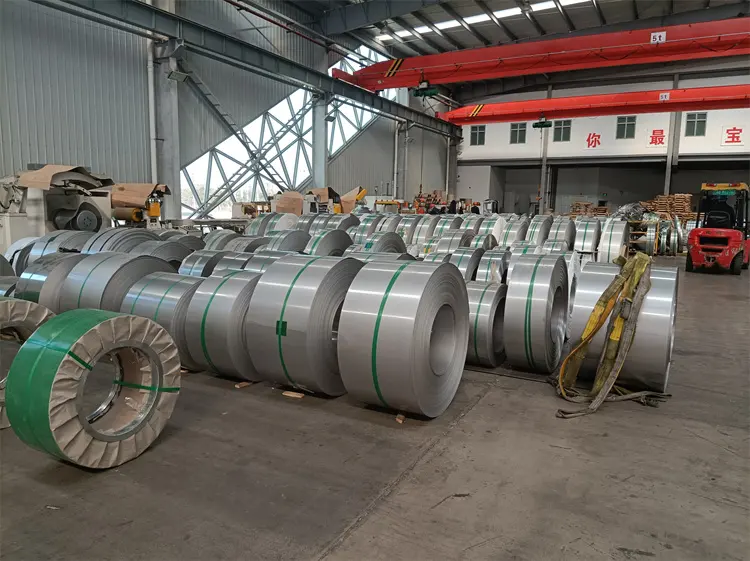
Advanced melting and casting processes have revolutionized the metal manufacturing sector by introducing more precise, efficient, and sustainable methods. These techniques often incorporate sophisticated technologies like vacuum or inert atmosphere environments to minimize impurities, resulting in superior alloy properties and enhanced performance in demanding applications such as aerospace and automotive industries. By focusing on controlled cooling rates and optimized thermal management, manufacturers can achieve microstructures that significantly improve strength, durability, and corrosion resistance, pushing the boundaries of what's possible in material science.
Beyond traditional approaches, innovative casting methods such as investment casting and centrifugal casting allow for the creation of complex geometries with tight tolerances, reducing the need for extensive post-processing. This not only cuts down on material waste but also accelerates production timelines, making it a game-changer for custom components and high-volume manufacturing. The integration of computer simulations and real-time monitoring systems further enhances process reliability, enabling operators to make data-driven adjustments that prevent defects and ensure consistent quality across batches.
In recent years, the shift towards greener technologies has spurred the development of eco-friendly melting processes that utilize renewable energy sources and recycled materials. These advancements not only lower the carbon footprint of manufacturing but also align with global sustainability goals, offering a competitive edge in markets increasingly driven by environmental consciousness. By blending technical sophistication with practical applications, advanced melting and casting processes continue to set new standards, fostering innovation and adaptability in a rapidly evolving industrial landscape.
Innovative Rolling and Annealing Methods
In the ever-evolving landscape of material science, innovative rolling and annealing techniques are reshaping how we manipulate metallic properties. Picture this: by integrating real-time sensors into rolling mills, manufacturers can now adjust pressure and temperature on the fly, leading to grains that are not only finer but also more uniformly distributed. This isn't just about making metals stronger; it's a game-changer for creating alloys with exceptional fatigue resistance, perfect for aerospace components where failure is not an option.
Beyond conventional approaches, what sets these new methods apart is their focus on tailored annealing processes. Instead of a one-size-fits-all heat treatment, researchers are experimenting with controlled atmospheres and rapid cooling protocols. Imagine annealing in a nitrogen-rich environment that prevents oxidation while promoting specific crystal formations, resulting in materials that gleam with enhanced conductivity. Such innovations mean electronic devices can run cooler and more efficiently, pushing the boundaries of consumer technology.
Moreover, the synergy between advanced rolling and annealing is unlocking possibilities for sustainable manufacturing. By optimizing energy use and minimizing waste through precise process controls, industries are achieving more with less—a crucial step toward greener production. For instance, annealing at lower temperatures for shorter durations can preserve metal integrity while slashing carbon footprints, proving that cutting-edge science and eco-conscious practices can indeed go hand in hand.
Surface Treatment and Insulation Techniques
Surface treatment and insulation techniques play crucial roles in enhancing the durability and performance of materials across various industries. Surface treatments, such as galvanization or anodizing, provide protective coatings that resist corrosion, wear, and environmental degradation, extending the lifespan of components. Meanwhile, insulation methods, like using foam or fiberglass, help regulate temperature and energy efficiency in buildings and machinery. Together, these approaches ensure that structures and products remain reliable and sustainable over time, often by combining traditional practices with innovative materials to meet modern demands.
In practice, choosing the right surface treatment and insulation involves balancing factors like cost, environmental impact, and specific application needs. For instance, in automotive manufacturing, paint coatings not only improve aesthetics but also shield metal parts from rust, while thermal insulation in engines optimizes fuel consumption. Innovations such as smart coatings that respond to temperature changes or eco-friendly insulating materials derived from recycled sources are gaining traction, reflecting a shift toward more adaptive and sustainable solutions. By tailoring these techniques to unique challenges, industries can achieve better performance and reduced maintenance costs.
Ultimately, the integration of advanced surface treatment and insulation techniques is key to addressing global issues like energy conservation and material waste. For example, in construction, reflective roof coatings can lower cooling needs, and high-performance insulation minimizes heat loss in cold climates. Research continues to explore new methods, such as nanotechnology-based treatments for superior protection or biodegradable insulating foams, pushing the boundaries of what's possible. As these technologies evolve, they contribute to safer, more efficient systems, highlighting their importance in both everyday applications and specialized fields.
Quality Control and Performance Testing
Implementing quality control and performance testing isn't just a final step in development; it's a proactive approach to ensure products not only function as intended but deliver an exceptional user experience from the outset. By rigorously evaluating aspects like reliability, speed, and security under various conditions, teams can identify potential flaws before they reach users, reducing costly fixes and building trust. This ongoing process often involves automated and manual techniques, making it a dynamic part of innovation rather than a checklist item.
In today's competitive market, performance testing goes beyond basic functionality to assess factors such as scalability and responsiveness. For instance, simulating real-world usage patterns helps predict how a system behaves under heavy loads, ensuring it remains stable and efficient. Integrating these tests early in the lifecycle allows for iterative improvements, fostering a culture where quality is woven into every design decision rather than tacked on at the end.
Quality control and performance testing are essential for maintaining long-term success, as they directly impact user satisfaction and operational costs. By continuously refining these practices, organizations can adapt to evolving technologies and user expectations, turning potential weaknesses into strengths that set their offerings apart in a crowded landscape.
Applications in Modern Electrical Devices
The integration of advanced sensors and microcontroller units in modern electrical devices has dramatically enhanced their functionality, enabling features like automatic temperature control in smart thermostats that adapt to user habits and environmental conditions. This not only improves energy efficiency but also provides a seamless user experience, reducing manual intervention and allowing devices to operate more intelligently in everyday settings.
In recent years, wireless charging has become a staple in electrical devices, from smartphones to electric toothbrushes, by eliminating the need for physical connectors and reducing wear and tear. This innovation supports faster, more convenient power delivery, with some systems even allowing multiple devices to charge simultaneously on a single pad, making it a practical solution for cluttered or high-traffic environments.
Moreover, the application of Internet of Things (IoT) connectivity has transformed ordinary appliances into interconnected systems that can be controlled remotely via apps, offering real-time monitoring and automation. This shift towards smart ecosystems allows for predictive maintenance, such as alerting users before a device fails, thereby extending product lifespans and enhancing safety in households and workplaces.
FAQ
Non-oriented electrical steel production focuses on minimizing directional magnetic properties for applications like motors, while oriented techniques enhance directional properties for transformers, relying on grain orientation and processing variations.
The process involves controlled rolling, annealing, and coating to reduce core loss and improve permeability by optimizing grain structure and minimizing impurities, which enhances efficiency in alternating magnetic fields.
Challenges include achieving uniform grain size and avoiding defect formation, addressed through precise temperature control during annealing and advanced monitoring systems to ensure consistent quality.
Industries such as automotive, appliance manufacturing, and renewable energy use it for electric vehicle motors, household appliances, and generators, due to its balanced magnetic performance and cost-effectiveness.
Thinner laminations reduce eddy current losses and improve efficiency at higher frequencies, but increase manufacturing complexity and cost; selection depends on specific device requirements.
Innovations include alloy development for higher silicon content, improved coating materials to reduce losses, and automation in production lines for enhanced precision and sustainability.
Conclusion
Non-oriented electrical steel production involves a sophisticated manufacturing process that integrates various techniques to achieve optimal magnetic properties and operational efficiency. The process begins with the careful selection of core components, ensuring high purity and precise alloy composition to minimize core losses and maximize permeability. Advanced melting and casting processes are employed, such as vacuum induction melting and continuous casting, which enhance material homogeneity and reduce impurities. These initial steps are crucial as they lay the foundation for the steel's magnetic performance, directly impacting its effectiveness in electrical applications.
Subsequent stages include innovative rolling and annealing methods that refine the grain structure and reduce internal stresses, further improving magnetic characteristics. Surface treatment and insulation techniques are applied to prevent eddy currents and ensure durability in harsh environments. Rigorous quality control and performance testing, including measurements of core loss and permeability, verify that the steel meets stringent industry standards. This comprehensive approach enables non-oriented electrical steel to be utilized in modern electrical devices, such as motors and transformers, where efficiency and reliability are paramount, showcasing its versatility and critical role in advancing electrical technology.
Contact Us
Contact Person: Zoe Liang
Email: [email protected]
Tel/WhatsApp: 86 189 2128 6299
Website: https://www.baowuchina.com