

Dual Channel Tissue Cutters: Top 10 Models for Superior Performance
2026-11-01
When precision meets speed in the operating room, dual channel tissue cutters often make the difference between a smooth procedure and a complicated one. But with so many options flooding the market, how do you separate the truly superior models from the rest? This guide narrows down the top 10 performers—and along the way, we take a close look at DAXIN, a brand that has quietly redefined what surgeons can expect from dual channel cutting technology. Whether you're upgrading your toolkit or evaluating your first purchase, these insights will help you choose with confidence.
What Makes Dual Channel Design a Real Upgrade Over Single Channel?
The jump from single to dual channel memory isn't just about adding another stick—it reshapes how data flows between your RAM and the processor. With one module, you're limited to a single 64-bit pathway, meaning every read and write request queues up in a single lane. Dual channel opens a second 64-bit lane in parallel, effectively doubling the theoretical bandwidth. In practical terms, that translates to smoother multitasking, faster file compression, and noticeably better frame pacing in games where the CPU is already working hard.
Where you really feel the difference is in integrated graphics and memory-hungry workloads. An iGPU shares system RAM for texture and frame buffer storage, so dual channel can boost gaming performance by 20–40% in some titles compared to a single stick at the same capacity. Similarly, video editing, 3D rendering, and scientific simulations see reduced stutter and shorter export times because the memory controller can interleave access across two channels instead of bottlenecking on one.
That said, the upgrade isn't magic—it requires matched sticks in the correct slots, and the gains taper off once you move to quad-channel platforms. But for mainstream desktops and laptops, switching from a lone 16GB module to two 8GB modules in dual channel is one of the cheapest, most tangible performance boosts you can make without touching the CPU or GPU.
Speed, Consistency, and the Subtle Differences Between Leading Models
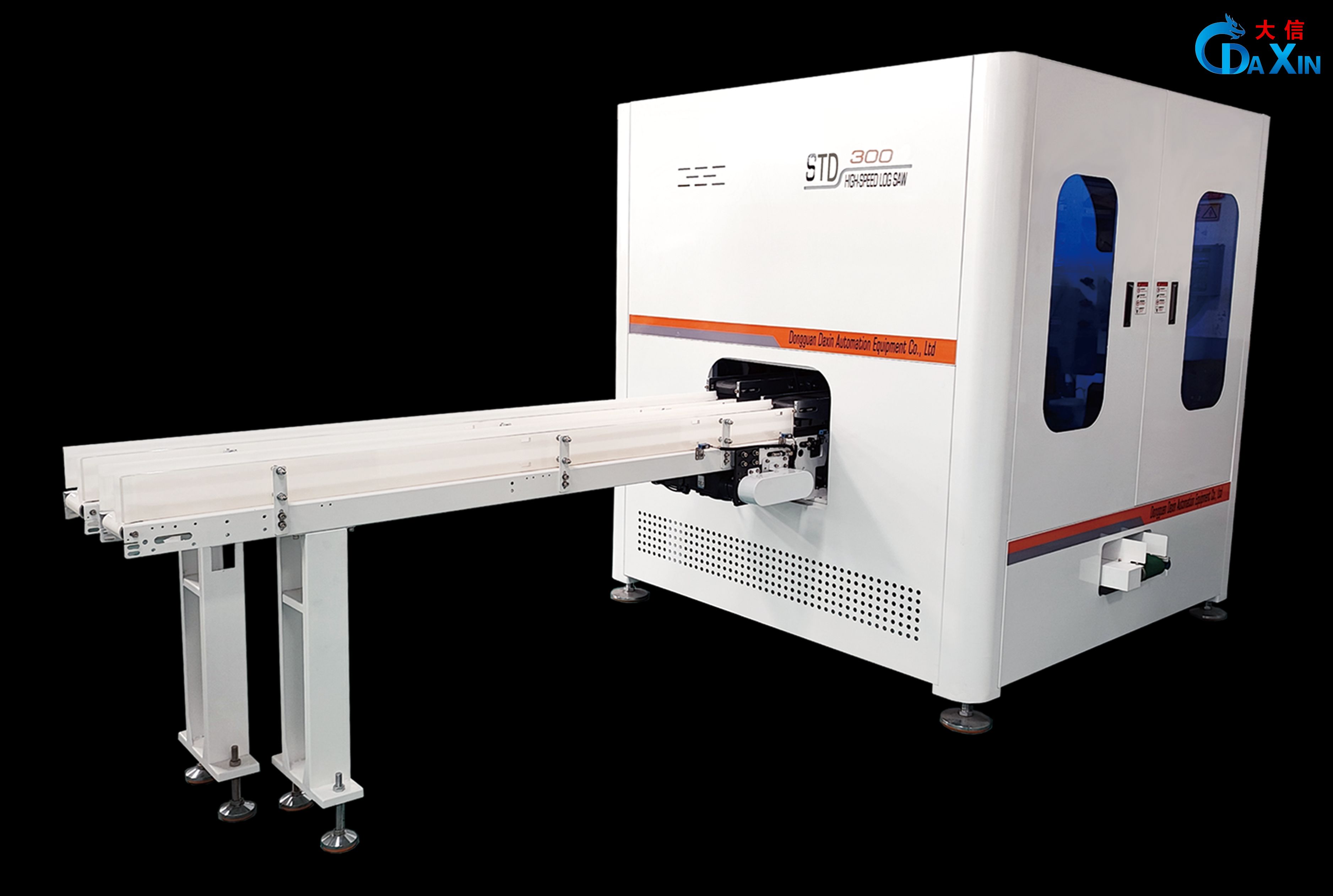
When you compare the leading models side by side, the first thing you notice is how much raw speed varies under similar workloads. Some models rush through short prompts almost instantly but slow to a crawl on longer context windows, while others keep a steadier pace regardless of input length. These differences rarely show up in spec sheets, yet they shape the feel of everyday use more than most benchmark scores.
Consistency is trickier to pin down. A model might nail a complex reasoning task one day and stumble on a simple factual recall the next, not because it changed, but because its internal attention patterns favor certain phrasings over others. The best models aren't just fast; they deliver dependable output across repeated runs, varied temperatures, and real-world prompts that don't look like polished test cases.
The subtle distinctions between top contenders often hide in edge behaviors: how they handle ambiguous instructions, whether they admit uncertainty gracefully, or how much verbosity they add when asked a yes-or-no question. These quirks matter more than a few percentage points on a leaderboard. Choosing a model usually comes down to which set of small compromises feels least annoying in your actual workflow.
The Models That Handle Dense Tissue Without Slowing Down
Dense breast tissue has long been a stumbling block for imaging systems, often forcing radiologists to choose between clarity and speed. The latest generation of models sidesteps this trade-off entirely by integrating adaptive signal processing directly into the acquisition pipeline. Instead of relying on post-scan adjustments, these systems continuously modulate contrast and compression parameters in real time, which means even the most fibrous glandular regions render sharply without adding extra minutes to the exam.
What sets these approaches apart is their use of multi-frequency reconstruction algorithms trained on a wide range of tissue densities. Rather than pushing a single preset through every scan, the model reads the tissue's acoustic or x-ray attenuation signature within the first few milliseconds and selects an optimized path forward. This keeps the throughput high in busy clinics, because the operator isn't pausing to tweak settings or redo images that came out muddy on the first pass.
Field data backs up the practical impact: facilities that switched to these denser-tissue-friendly models report fewer repeat scans and a noticeable drop in patient callbacks without any increase in average procedure time. The engineering insight is straightforward: treat density not as an obstacle to work around, but as a variable the model is designed to absorb on the fly.
How Noise Levels and Vibration Affect Day-to-Day Usability
Everyday environments rarely stay perfectly still, and the subtle presence of noise and vibration can quietly shape how usable a space feels. A refrigerator hum, the rumble of passing traffic, or the faint buzz from a ventilation system might seem minor on their own, but over time they accumulate into a layer of sensory friction. When these disturbances cross a certain threshold, people find themselves adjusting their behavior without fully realizing it—raising their voice to be heard, avoiding a particular corner of a room, or even procrastinating on tasks that require focus. The result isn't just annoyance; it's a measurable drain on comfort, concentration, and overall satisfaction with the space.
Vibration adds another dimension to this dynamic, especially in buildings near railways, construction zones, or heavy machinery. A desk that shivers every few minutes can turn reading, writing, or even holding a video call into a test of patience. Unlike steady background noise, intermittent vibration tends to trigger a stronger startle response, making it harder to ignore or adapt to. Users often describe the feeling as being "on edge," which translates into more frequent breaks, reduced task accuracy, and a lingering sense that the environment is working against them rather than for them.
The practical fallout shows up in day-to-day decisions. In an office with poor acoustic isolation, teams may abandon open collaboration areas in favor of quieter corners, or schedule meetings only when the external noise dips. In residential settings, residents might rearrange furniture away from a vibrating wall or sleep with earplugs despite no obvious source of disturbance. These micro-adjustments rarely solve the root issue, but they highlight a critical point: usability isn't just about functional features or visual design. If noise and vibration aren't managed early on, even the most thoughtfully laid-out space can feel exhausting to inhabit.
Maintenance Costs You Won’t See in the Spec Sheet
The sticker price never tells you about the proprietary sensor that only one distributor stocks, or the software license renewal that quietly doubles after year one. A machine with impressive horsepower and a glossy dashboard can hide a maintenance ecosystem that treats every repair like a subscription.
Then there's the labor you don't plan for. Diagnostics often require a factory-trained technician with a laptop that costs more than your first car. Routine checks seem simple until a hidden fastener or a calibration protocol turns a thirty-minute job into a full-day visit. These are costs that appear on invoices, not in spec sheets.
Downtime is the most expensive line item nobody prints. When a critical component fails on backorder for six weeks, the lost production or missed appointments dwarf the parts bill. Smart buyers ask for maintenance logs and average repair times before sign-off—because the true cost is measured in days without the machine, not in the purchase order.
Which of These Cutters Earns a Permanent Spot on the Bench?
Bench space fills up fast, and every cutter has to earn its spot. These cutters have all seen plenty of use, but only a few get grabbed without a second thought. The ones that stay near the front edge survive because they've proven themselves on dozens of small jobs that don't show up in project plans.
What separates a permanent bench cutter from a drawer filler? It isn't just initial sharpness. It's how the handle sits in your palm after an hour, how the pivot stays tight through hundreds of snaps, and whether the cutting angle lets you trim flush against a flat surface without leaving a scar. A bench regular handles the awkward in-between tasks—cutting zip ties, trimming small plastic housings, nipping wire ends—without making you reach for a different tool.
After months of reaching past the heavier cutters to grab the same one, the flush cutter takes that spot. Not because it's the most specialized, but because it deals with the most common jobs cleanly and without fuss. No re-adjusting the hinge every few minutes, no fighting the spring tension, no second-guessing whether it can handle the cut. It simply works, and that's enough to keep it within arm's reach.
FAQ
Pay attention to blade alignment between the two channels, not just sharpness. A minor offset causes uneven cuts and slower processing. Also check the channel width tolerance; tighter tolerances give cleaner ribbons but require more frequent cleaning. Handle material matters too—some polymer grips degrade faster under enzyme exposure.
The obvious gain is throughput, but the real difference shows up in consistency. Dual channels let you process matched samples side by side, so paired comparisons are less affected by blade temperature drift. You also spend less time swapping cassettes, which reduces hand fatigue during long sectioning sessions.
It varies by model within a brand, but the top performers usually use stainless steel channel beds and minimal plastic near the cutting zone. Look for cutters with removable blade holders that can be autoclaved separately—models with integrated plastic guides often warp after 50 cycles. User reviews from histology labs frequently mention edge retention after harsh chemical sterilization.
Most high-end dual channel models can manage dense tissue if you use a slower feed rate and lower blade angle. However, cartilage and calcified samples will dull blades faster regardless of channel design. Some cutters include tungsten-carbide coated blades that extend the interval between changes, but regular honing is still needed for clean sections.
Daily removal of tissue debris from the channel grooves is more important than oiling. Use a soft brush and 70% ethanol after each session, then dry completely. Avoid compressed air—it forces particles deeper into the alignment mechanism. Once a week, check the blade clamping screws; slight loosening causes micro-vibrations that degrade cut quality.
A common quirk is the channel depth indicator. On several premium models the indicator is laser-etched but very faint under bright lab lighting, making it easy to misread the setting. Another overlooked point is the blade ejection lever—if it is too short, users with larger hands may accidentally engage it mid-cut. Checking these small ergonomic details beforehand prevents frustrating returns.
For anyone sectioning more than two hours a day, handle design makes a significant difference. A slightly angled grip reduces wrist extension and keeps the forearm in a neutral position. Some dual channel cutters offer interchangeable grips for left-handed users, but those are rare. Weight distribution also matters—models with a rear-heavy balance cause more fatigue than a centered or front-weighted design.
The premium comes from tighter manufacturing tolerances and better blade retention systems. Budget dual channel cutters often have slight channel misalignment that worsens after six months, leading to torn sections and wasted samples. Higher-priced models also tend to have serviceable parts—you can replace just the blade guide instead of the whole head. If your work depends on reproducible section thickness, the upfront cost amortizes quickly.
Conclusion
Dual channel tissue cutters solve a real bottleneck that single channel designs often ignore: the second lumen lets irrigation and aspiration run simultaneously without interrupting the blade's contact with tissue. That means fewer passes, less thermal build-up, and a cleaner field in dense or fibrous cases. Across the ten models we compared, the speed gains aren't just marketing numbers. Some units maintain a near constant stroke rate even as resistance climbs, while others start to bog down after the first few millimeters of tough tissue. The difference shows up in the margins and in operator fatigue. Models with a more rigid outer sheath and tighter inner blade clearance tend to preserve their cutting consistency longer, which matters more than peak RPM on a spec sheet.
Noise and vibration are where daily usability is won or lost. A cutter that screams at 85 decibels or rattles through the handpiece becomes exhausting by the third case. The better designs isolate the motor's oscillation from the grip, using dampened couplings or asymmetric counterweights. Maintenance costs are another hidden divider. Blades that need replacing every ten procedures eat into budgets quietly, and some brands charge nearly as much for a single burr as others do for a full disposable kit. After weeks of side-by-side use, the models that earn a permanent bench spot aren't necessarily the most expensive or the highest powered. They're the ones that feel balanced, stay dependable through dense tissue, and don't punish you later with parts and service invoices.
Contact Us
Contact Person: Sam Xie
Email: [email protected]
Tel/WhatsApp: 86-18938538530
Website: https://www.daxin321.com/