

Custom Rolling Mill Engineering Solutions for Enhanced Operational Efficiency
2026-02-03
In today's competitive steel and metal manufacturing landscape, operational efficiency isn't just a goal—it's a necessity for survival and growth. As industries evolve and demands shift, the need for tailored engineering solutions becomes paramount. That's where GRM steps in, offering custom rolling mill engineering that transforms challenges into opportunities. Imagine a world where every piece of equipment is precisely designed to fit your unique production line, boosting output while slashing downtime. From innovative automation to robust maintenance strategies, GRM's expertise ensures your operations run smoother, faster, and smarter. But what makes these solutions truly stand out? In this blog, we'll dive into the core principles behind enhanced operational efficiency and how partnering with GRM can redefine your manufacturing success. Get ready to explore practical insights and real-world applications that will leave you inspired to optimize your processes like never before.
Tailored Rolling Mill Designs for Peak Performance
In an industry where a one-size-fits-all approach often falls short, tailored rolling mill designs have emerged as the gold standard for achieving peak performance. These custom-engineered solutions are crafted from the ground up, considering unique material properties, production goals, and operational challenges. By moving beyond generic setups, manufacturers can optimize every aspect—from roll configurations to cooling systems—ensuring seamless integration with existing workflows and maximizing throughput efficiency.
What sets these designs apart is their ability to adapt to specific alloys and product specifications, whether producing ultra-thin foils or heavy-duty structural beams. Advanced simulation tools and real-world testing data guide the engineering process, allowing for precise adjustments in torque, speed, and tension control. This meticulous customization minimizes downtime, reduces scrap rates, and extends equipment lifespan, delivering a competitive edge that off-the-shelf models simply can't match.
Ultimately, investing in a tailored rolling mill design transforms production lines into high-performance engines, driving consistency in output quality while slashing energy consumption. By aligning machinery with exact operational needs, companies not only boost profitability but also future-proof their operations against evolving industry demands, making adaptability and precision the hallmarks of modern manufacturing success.
Innovative Engineering Approaches to Reduce Downtime
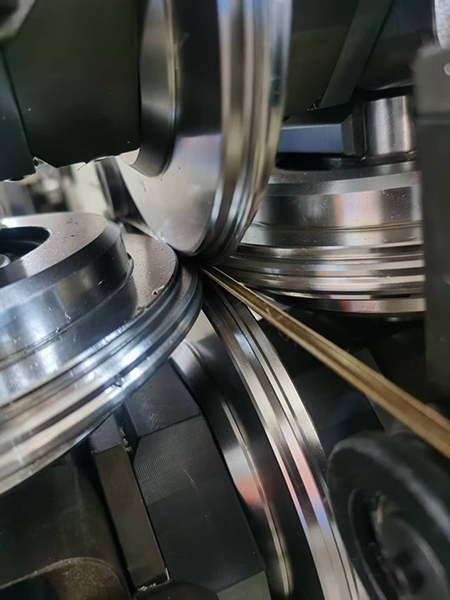
Instead of waiting for equipment to fail, engineers are now harnessing predictive analytics to foresee potential breakdowns before they happen. By analyzing real-time data from sensors embedded in machinery, they can identify subtle patterns that indicate wear or stress, allowing for proactive maintenance scheduling. For example, in manufacturing plants, vibration sensors detect abnormal oscillations in rotating parts, prompting timely inspections that prevent catastrophic failures and keep production lines running smoothly.
Another groundbreaking method involves modular design and redundancy in critical systems, enabling swift component swaps without halting entire operations. In sectors like data centers or energy grids, engineers design subsystems with hot-swappable parts, so technicians can replace a faulty unit while the system remains online. This approach minimizes downtime to mere minutes, often unnoticed by users, and exemplifies how thoughtful engineering can build resilience directly into hardware architecture.
Additionally, the integration of digital twins—virtual replicas of physical assets—allows engineers to simulate and optimize performance under various conditions. By running stress tests and scenario analyses on these digital models, teams can identify weak points and implement preventive upgrades, reducing the likelihood of unexpected downtime. This not only enhances efficiency but also fosters a culture of continuous improvement, where engineering innovations directly translate to enhanced operational reliability.
Customized Control Systems for Smooth Operations
Imagine a manufacturing floor where every machine hums in perfect harmony, and operations flow seamlessly from one stage to the next. That's the power of customized control systems. They're not just off-the-shelf solutions; they're tailored to fit your unique processes, integrating seamlessly with existing equipment and workflows. By adapting to specific needs, these systems minimize downtime, reduce manual intervention, and keep everything running smoothly, day in and day out.
What sets these systems apart is their ability to evolve alongside your business. Unlike generic setups that might force you to adjust your operations, customized controls grow with you, accommodating new technologies and changing demands. This flexibility means you're always in control, able to tweak settings on the fly or scale up without disruption. It's like having a dynamic roadmap for efficiency that anticipates challenges before they arise.
Ultimately, the goal is to make complex operations feel effortless. With a control system crafted just for you, you'll notice fewer bottlenecks, faster response times, and a noticeable boost in overall productivity. It's more than just automation; it's about creating an environment where every piece of the puzzle works together flawlessly, empowering your team to focus on innovation rather than troubleshooting. The result? A smoother, more resilient operation that stands out in a competitive landscape.
Advanced Material Handling Solutions for Efficiency Gains
In today's fast-paced industrial landscape, where every second counts, advanced material handling solutions have become game-changers, directly fueling efficiency gains. These systems go beyond just moving goods; they integrate smart technologies to streamline workflows, reduce manual labor, and cut down on operational delays. By leveraging automation and real-time data, businesses can anticipate needs, adjust on the fly, and maintain a steady flow that keeps productivity soaring.
Customization is at the heart of modern material handling, allowing for tailored approaches that fit specific operational environments. Whether it's robotic arms in manufacturing or AI-driven conveyors in logistics, these solutions adapt to unique challenges, minimizing bottlenecks and enhancing throughput. This adaptability not only boosts speed but also improves safety, as machines handle repetitive or heavy tasks, reducing human error and workplace incidents.
The long-term impact of investing in advanced material handling is profound, offering sustained efficiency gains that ripple through the entire supply chain. Companies see faster turnaround times, lower energy consumption, and better resource allocation, all contributing to a competitive edge and improved bottom line. As industries evolve, embracing these innovations ensures they stay agile and responsive to ever-changing market demands.
Precision Maintenance Strategies to Extend Equipment Life
Precision maintenance goes beyond the usual routine checks, focusing instead on a proactive and data-driven approach to keeping equipment in top shape. Instead of waiting for parts to fail, technicians use advanced diagnostic tools like vibration analysis, thermography, and acoustic monitoring to catch issues early—think of it as giving your machinery a thorough health check-up before symptoms even appear. By zeroing in on specific wear patterns or anomalies, teams can schedule interventions precisely when needed, reducing costly downtime and preventing minor problems from snowballing into major failures.
What really sets precision maintenance apart is its emphasis on tailoring strategies to each piece of equipment's unique operating conditions. For instance, in a high-temperature manufacturing environment, sensors might track thermal expansion in real-time, allowing for adjustments that prevent stress fractures. This customized care ensures that maintenance isn't just a one-size-fits-all task but a finely tuned process that adapts to factors like load cycles, environmental stresses, and usage patterns. Over time, this attention to detail helps preserve critical tolerances and alignment, which are key to avoiding premature wear and keeping machines running smoothly for years longer than with reactive methods.
Beyond the technical aspects, implementing precision maintenance fosters a culture of continuous improvement and collaboration on the shop floor. Technicians become more engaged as they interpret data and make informed decisions, rather than just following a checklist. This shift not only boosts equipment reliability but also extends asset lifespans significantly, translating to better return on investment and reduced environmental impact from fewer replacements. In essence, it's about treating maintenance as a strategic investment in longevity, where every adjustment is calculated to squeeze out extra performance and durability from your gear.
Data-Driven Optimizations for Continuous Improvement
At the heart of modern operational excellence lies a commitment to leveraging data as a strategic asset, enabling organizations to move beyond guesswork and embrace a culture of continuous refinement. By systematically collecting, analyzing, and interpreting relevant metrics—from customer feedback to production line efficiency—teams can pinpoint bottlenecks, uncover hidden opportunities, and make incremental adjustments with confidence. This iterative process ensures that improvements are not one-off fixes but rather part of an ongoing cycle that adapts to changing conditions and evolving goals, fostering a proactive rather than reactive approach to growth.
What truly sets data-driven optimization apart is its ability to inject objectivity into decision-making. Instead of relying on anecdotes or executive intuition, decisions are grounded in empirical evidence, which minimizes biases and prioritizes actions that deliver measurable impact. For instance, A/B testing various user interface elements or analyzing supply chain data can reveal subtle patterns that inform targeted enhancements, driving efficiency gains and boosting overall performance without disrupting core operations.
Ultimately, embedding this mindset across an organization transforms how teams operate, encouraging a collaborative environment where data insights are shared and acted upon collectively. It's not just about deploying the latest analytics tools; it's about cultivating a culture where every stakeholder understands the value of data in steering progress. As these optimizations accumulate over time, they compound into significant advantages, ensuring that improvement becomes a sustainable, integral part of the organizational DNA rather than a sporadic initiative.
FAQ
Custom rolling mill engineering solutions stand out by tailoring designs to specific operational needs, integrating advanced technologies like automation and predictive maintenance, which boost efficiency and reduce downtime compared to one-size-fits-all approaches.
They improve efficiency by optimizing processes—such as reducing material waste, enhancing throughput, and minimizing energy consumption—through bespoke designs that align with unique production goals and equipment capabilities.
Look for expertise in innovative design, a strong track record in retrofit projects, and the ability to offer comprehensive support from planning to implementation, ensuring solutions are practical and future-proof.
Yes, they can specifically target issues like wear by incorporating durable materials, improved lubrication systems, and regular maintenance protocols, extending equipment life and reducing unplanned stoppages.
Typically, yes—while initial investment may be higher, custom solutions lead to long-term savings through lower operational costs, fewer breakdowns, and increased productivity, offering a strong return on investment.
They're designed with seamless integration in mind, using phased implementation and compatible technologies to minimize downtime, often involving pilot testing to ensure smooth transitions.
Technology is central, enabling data-driven optimizations through IoT sensors, AI for predictive analytics, and automation controls that fine-tune operations for peak performance and adaptability to market changes.
Conclusion
Customized rolling mill engineering solutions are revolutionizing operational efficiency, starting with tailored designs that optimize performance from the ground up. By integrating innovative approaches to reduce downtime and advanced material handling systems, these solutions seamlessly combine reliability with productivity gains. This holistic strategy ensures smooth operations through customized control systems, while precision maintenance extends equipment life, creating a robust foundation for continuous improvement.
Leveraging data-driven optimizations, these engineering solutions enable proactive adjustments and real-time insights, fostering a cycle of ongoing enhancement. The synergy between cutting-edge technology and strategic planning not only boosts efficiency but also adapts to evolving industry demands, making operational processes more resilient and competitive. Ultimately, this integrated approach transforms rolling mill operations into a dynamic, high-performance environment where every component works in harmony to maximize output and reduce costs.
Contact Us
Contact Person: Rayna
Email: [email protected]
Tel/WhatsApp: 86 -173 1474 6343
Website: https://www.grmrollingmill.com/