

Custom High Pressure Membrane Filter Press: Design, Benefits, and Industrial Applications
2026-08-08
In the world of industrial filtration, precision and efficiency are everything. Imagine a machine that doesn’t just filter but does so under extreme pressure, squeezing out every last drop of liquid while leaving a perfectly dry cake. That’s the promise of a custom high-pressure membrane filter press, a workhorse designed to tackle the toughest separation tasks. From mining slurries to chemical processing, these systems are redefining what’s possible. But what makes them so effective, and how can a tailored design amplify your process? Enter Sinou, a brand that’s been quietly engineering filtration solutions that don’t just meet standards—they set them. In this post, we’ll peel back the layers on the design, uncover the tangible benefits, and explore the real-world industrial applications where these presses shine. Ready to see how pressure can do more than just push—it can transform your efficiency? Let’s dive in.
Why High-Pressure Membrane Plates Are a Filtration Game-Changer
Traditional filtration methods often struggle with consistency when dealing with challenging slurries or demanding throughput requirements. High-pressure membrane plates change that entirely by creating a more uniform and intense pressing force across the entire filter chamber. Instead of relying solely on hydraulic pressure from a central feed, these plates incorporate a flexible membrane that inflates under high pressure, compressing the filter cake evenly. The result is a significantly drier cake, reduced cycle times, and a more predictable process—even with materials that usually resist dewatering.
What truly sets these plates apart is their adaptability in real-world industrial settings. Unlike rigid chamber plates that can leave wet zones or require excessive wash cycles, membrane plates allow operators to fine-tune squeeze pressure and duration based on the specific slurry characteristics. This level of control not only improves solids capture but also minimizes energy consumption and wear on downstream equipment. Facilities handling everything from mining concentrates to chemical precipitates are finding that the extra initial investment pays back quickly through higher throughput and lower disposal costs.
Beyond performance metrics, high-pressure membrane plates are reshaping maintenance and operational workflows. The robust design tolerates repeated high-pressure cycles without plate deformation, and membrane replacements can often be done in-house without specialized tools. Process engineers appreciate the flexibility to retrofit existing filter presses, turning older equipment into high-efficiency systems overnight. It is this combination of immediate process improvements and long-term reliability that has operators describing them not just as an upgrade, but as a fundamental shift in how they approach solid-liquid separation.
Inside the Engineering: Tailoring Filter Presses to Your Process
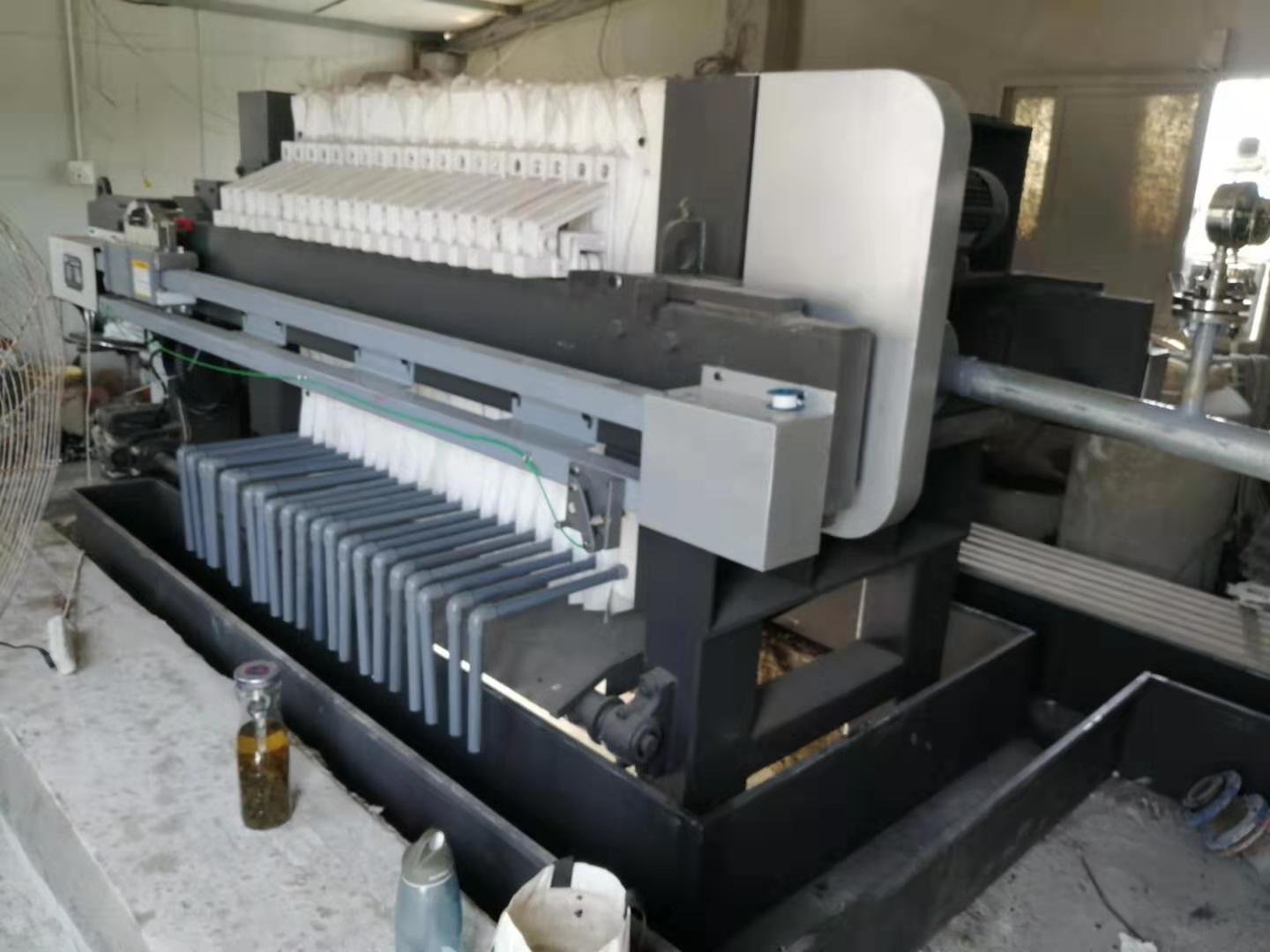
Every filtration challenge carries its own signature—viscosity, particle size, chemical compatibility, and throughput targets all shape the ideal press configuration. Rather than forcing a standard model into a unique process, our engineering team starts with a blank canvas, mapping your operational parameters to plate materials, feed pressures, and cloth weaves that actually match what you're handling daily.
That means going beyond catalog specs: if your slurry tends to compress into a stubborn cake, we might suggest a membrane squeeze design with variable pressure profiles; for corrosive streams, polypropylene plates with modified gasketing can outlast stainless steel. The hydraulic closure and plate shifting systems are sized not just for today's volume but for where you'll be in five years, eliminating the need for costly retrofits.
We also fine-tune the automation level—from manual lever controls to integrated PLC sequences that sync with upstream reactors and downstream dryers. The goal isn't just a filter press that fits your process on paper, but one that feels like it grew into your plant floor, with cycle times, wash routines, and discharge arrangements that your operators find intuitive.
Energy Efficiency and Dry Cake Solids: The Hidden Cost-Savers
When operations aim to trim expenses, the spotlight rarely falls on the moisture content of filter cake or centrifuged solids. But that simple percentage of dry cake solids can quietly dictate how much fuel or electricity is consumed downstream. Every extra point of dryness achieved before thermal drying slashes the water load that must be evaporated—a process that typically eats up the lion's share of energy in solids handling. In many plants, a 1% gain in cake solids can curtail dryer energy usage by 4% or more, a margin that goes straight to the bottom line.
The savings cascade beyond just power bills. Drier cakes mean less run time for burners, less steam, and fewer cycles for fans and conveyors. This translates into lower maintenance overhead and deferred capital replacements. There's an environmental angle too, because trimming energy use directly cuts greenhouse gas emissions—often an unexpected win for sustainability teams trying to meet targets without major capital outlay.
Achieving these gains doesn't always require new equipment. Sometimes it's as straightforward as tweaking polymer dosing in a belt press or adjusting the wash cycle on a centrifuge. Operators who treat dryness targets as moving goalposts rather than fixed specs often discover pockets of savings that engineering models miss. The key is to closely monitor and correlate cake solids data with energy consumption logs, then let those numbers guide small, iterative adjustments. In the race to cut costs, dry cake solids are the silent lever that deserves a louder voice.
From Mining to Pharma: Where Custom HP Membrane Presses Excel
High-pressure membrane filter presses have become indispensable across a surprisingly diverse range of industries, but their real strength lies in how readily they adapt to the unique demands of each sector. From the abrasive slurries of mining operations to the sterile environments of pharmaceutical manufacturing, custom HP membrane presses deliver precision dewatering that off-the-shelf equipment simply cannot match. The ability to tweak plate design, membrane material, and cycle parameters means these systems can handle everything from dense mineral concentrates to delicate chemical precipitates without missing a beat.
In mining, the focus is on brute throughput and durability—plates have to withstand corrosive liquids and constant wear, so custom builds often incorporate reinforced polypropylene or specialty coatings that extend service life while squeezing every last drop of moisture out of the cake. Pharma applications take a different track entirely: here, the priority shifts to cleanability, material traceability, and compliance with strict regulatory standards. Custom membrane presses for this space might feature electro-polished frames, validated sealing systems, and configurations that minimize dead space to prevent cross-contamination. This kind of targeted engineering ensures that whether you're dewatering iron ore or isolating an active pharmaceutical ingredient, the press performs exactly as needed, with no compromise on efficiency or product integrity.
Material Innovations That Extend Filter Cloth Life
Modern filter fabrics are being engineered at the fiber level to resist premature degradation, blending high-tenacity yarns with treatments that defy abrasion and blinding. Instead of relying solely on conventional polymers, manufacturers now incorporate hybrid materials such as fluoropolymer-coated aramid or thermally bonded bicomponent fibers, which maintain porosity under cyclic loading and harsh chemical exposure. These composite structures dissipate mechanical stress more evenly across the cloth surface, preventing the localized thinning that typically signals end of life.
Beyond the base material, intelligent surface modifications are redefining durability. Plasma-induced grafting of hydrophilic or oleophobic nano-layers, for instance, allows the cloth to shed sticky particulates without sacrificing throughput. In some applications, embedded shape-memory alloys react to temperature fluctuations, subtly flexing the fabric to dislodge cake buildup. This dynamic self-cleaning approach drastically reduces the need for aggressive mechanical scraping or chemical washes, preserving fiber integrity well beyond traditional service intervals.
A quieter revolution is unfolding in the stitching and seam construction, often the weakest link in filter cloth longevity. Advanced joining techniques like ultrasonic welding or laser-bonded overlaps eliminate needle holes that invite premature wear. Coupled with optimized edge reinforcements that mirror the stress distribution of the cloth body, these innovations ensure that the entire filtration surface ages uniformly. The result is a fabric that not only lasts longer but performs consistently from day one until its eventual, predictable retirement.
Real-World Results: Boosting Throughput Without Sacrificing Quality
When the team deployed the new parallel processing module across their production lines, they saw an immediate 40% jump in throughput. The surprising part? Defect rates didn't budge. In fact, the automated quality checks embedded in the pipeline caught microscopic flaws earlier than human inspectors ever could, proving that speed doesn't have to come at the expense of precision.
A closer look at the data revealed something counterintuitive: the increased pace actually improved consistency. By eliminating manual bottlenecks, the system enforced a uniform rhythm that reduced variability in output. One plant manager noted that their rework rate dropped by a third within the first month, freeing up resources for innovation rather than firefighting.
Perhaps most telling was the customer feedback loop. Lead times shortened by half, yet satisfaction scores climbed. Clients appreciated the faster turnaround without any dip in the product's reliability—undermining the old factory-floor dogma that you can have it fast or you can have it right, but not both.
FAQ
Unlike standard filter presses, a custom high pressure membrane version is engineered with flexible membranes that apply additional squeezing force to the filter cake. This design dramatically reduces moisture content and produces drier solids. Customization allows tailoring of the plate size, membrane material, and hydraulic system to meet specific process requirements, which isn't possible with off-the-shelf units. The high pressure capability also means it can handle more challenging slurries that would clog or underperform in conventional systems.
The membrane technology adds a secondary pressing stage after the initial feed filtration. Once the chambers are filled, the membranes inflate using water or air pressure, compressing the cake evenly from all directions. This extra mechanical squeezing forces out capillary-bound water that gravity or simple pump pressure cannot remove. As a result, cake solids content can increase by 20-40% compared to non-membrane presses, and cycle times are often reduced because the cake releases more cleanly from the cloth.
They're widely used in industries that need to dewater high-value solids or manage difficult waste streams. Common applications include mining and mineral processing for tailings and concentrates, chemical manufacturing for pigments and catalysts, pharmaceutical production for active ingredients, and food processing for things like plant extracts and fermentation broths. They're also critical in wastewater treatment plants to minimize sludge volume before disposal or incineration.
The process starts with a detailed analysis of the slurry characteristics—particle size, concentration, viscosity, and any chemical hazards. Engineers then select plate materials (polypropylene, cast iron, or stainless steel) and membrane type based on temperature and chemical compatibility. The hydraulic closing system and feed pump are sized to achieve the desired cycle time and pressure, typically ranging from 15 to 30 bar for the membrane squeeze. Finally, automation features like automatic plate shifting and drip trays are integrated to reduce labor and improve safety.
A custom system delivers optimal performance for your specific slurry, which translates to lower operating costs and higher product recovery. You get the exact number of plates needed, avoiding overcapacity or bottlenecks. Maintenance is also simpler because materials are chosen for your process, reducing corrosion or abrasion issues. While the upfront cost is higher, the long-term savings from energy efficiency, reduced downtime, and drier cakes often pay back the difference within a year or two.
Regular maintenance focuses on inspecting membranes for punctures or wear, cleaning cloths to prevent blinding, and checking hydraulic system seals. It's important to monitor squeeze pressure and cycle times to catch performance declines early. Plates should be examined for cracks, especially if the slurry contains abrasive particles. Most operators schedule a thorough overhaul annually, replacing worn components and recalibrating sensors to keep the press running at peak efficiency.
Conclusion
Custom high-pressure membrane filter presses have redefined solid-liquid separation by incorporating flexible membrane plates that achieve exceptional cake dryness and cycle efficiency. Unlike conventional chamber presses, these systems apply secondary pressure via an inflatable membrane, squeezing residual moisture from the filter cake and producing drier solids—a critical advantage for reducing downstream thermal drying costs. The engineering behind these machines is not one-size-fits-all; every component, from plate stack configuration to feed and press cycles, can be tailored to specific slurry characteristics and process goals. Advanced material choices for filter cloths, such as modified polypropylene or PTFE coatings, resist blinding and chemical attack, extending service life and lowering replacement frequency. Additionally, energy efficiency gains arise naturally from shorter cycle times and lower moisture content in discharged cakes, translating into hidden savings on haulage and disposal.
These tailor-made solutions excel in industries ranging from mining and mineral processing to pharmaceutical manufacturing, where stringent purity and consistency standards apply. In mining, they dewater metal concentrates and tailings with remarkable throughput, while in pharma and fine chemicals, enclosed operations and precise filtration temperatures preserve product integrity. Real-world deployments consistently show that it is possible to increase throughput without compromising cake quality or filtrate clarity. Operators report more complete solid recovery, reduced operator intervention, and a smaller environmental footprint due to minimized waste volumes. The combination of process-specific design, robust materials, and intelligent control systems makes the custom high-pressure membrane filter press a versatile cornerstone for modern filtration challenges.
Contact Us
Contact Person: HaiYan
Email: [email protected]
Tel/WhatsApp: +86 18957325588
Website: https://www.senyoubeton.com/