

Custom Bolts Distributor: How to Choose the Right Fastener Supplier
2026-09-25
Finding a reliable custom bolts distributor isn’t just about getting hardware—it’s about securing a partner who understands your exact specifications and delivers without compromise. Yet with so many fastener suppliers claiming expertise, how do you separate the truly capable from the merely confident? This guide cuts through the noise, walking you through the critical factors that separate a one-time vendor from a long-term supply ally. And if you're already tired of hunting, Peak Fasten has been quietly solving these challenges for teams that can’t afford downtime or mismatched threads. Let’s dive in.
Verify Material Certifications Before You Request a Quote
Material certifications are often treated as an afterthought, but checking them before requesting pricing can save you from mismatched alloys or heat numbers that don't align with your project specs. If you wait until the parts are already in production, you may discover the mill test report (MTR) is missing or the chemistry falls outside the acceptable range for your application. Requesting the certification early doesn't just confirm compliance—it also tells you whether the supplier actually has the material in stock or is planning to source it after you commit.
A supplier might quote a lower price for the "same" grade, but without verifying the certs, that price can hide a substitution or a foreign mill with looser tolerances. Ask for the original mill certification, not a retailer's summary, and compare the heat number, tensile strength, yield, and elongation against your purchase order requirements. This step takes minutes but prevents weeks of delay if the material fails incoming inspection or, worse, fails in service.
Build this check into your quoting workflow: before sending an RFQ, list the exact material standard (ASTM, ASME, EN, etc.), required mechanical properties, and any supplementary testing like charpy impact or ultrasonic examination. Then request the cert as a PDF alongside the quote. Suppliers who push back or provide only a generic "cert available upon request" are often the ones who can't deliver traceability when you need it most.
Match Custom Capabilities to Your Actual Application
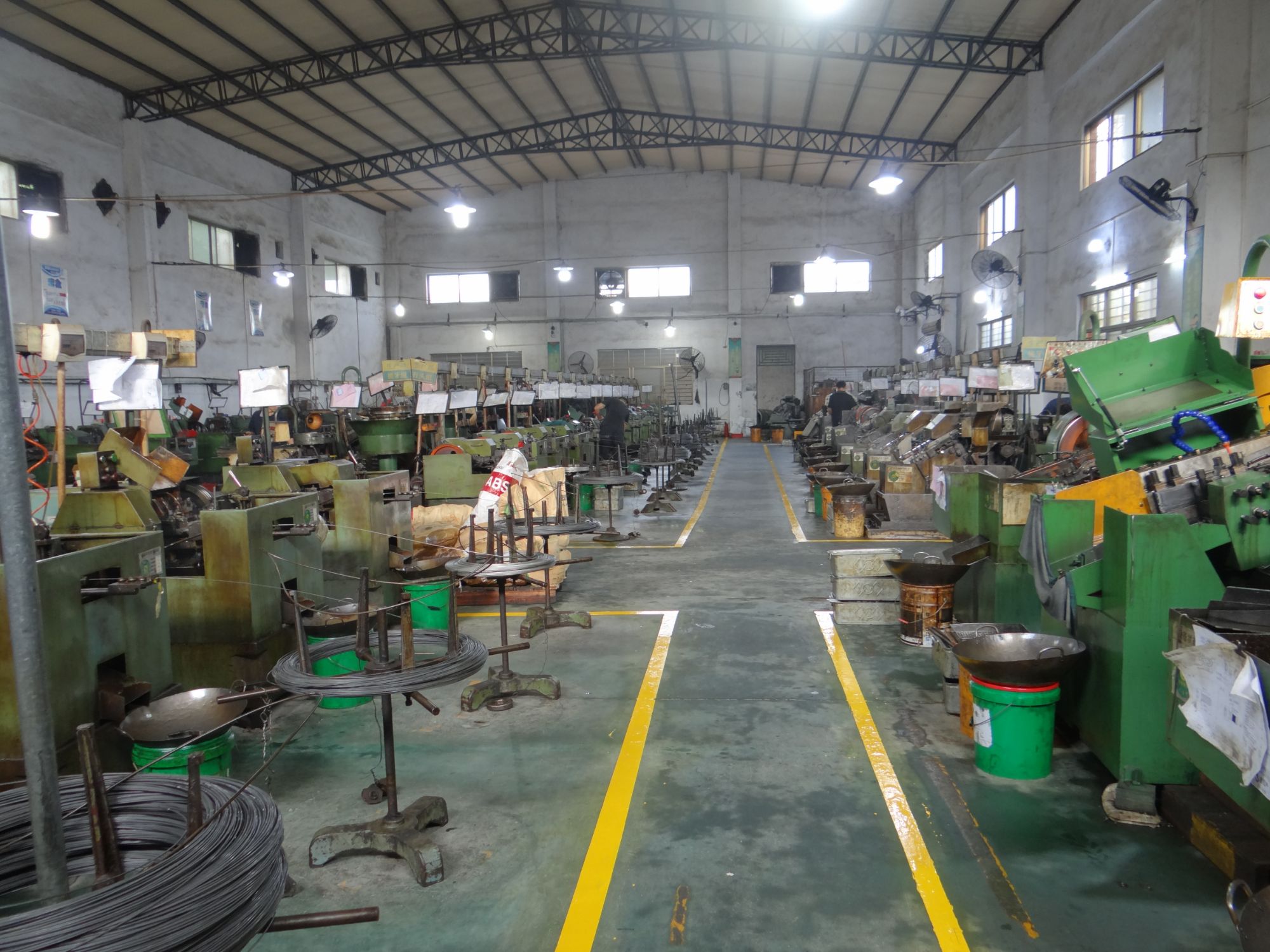
Before adding another feature to your shortlist, write down the three tasks your team performs most often. Then compare each capability against those tasks rather than against a generic feature matrix. A platform that looks weaker on paper can outperform a loaded alternative simply because it fits your actual daily workflow.
Custom capabilities often carry hidden costs, both in setup time and in complexity. Ask vendors to demonstrate the feature using a scenario you recognize from your own operations. If the demo shows a polished edge case but ignores your routine jobs, that capability is unlikely to pay for itself.
Your application will change, so match capabilities at the level you can actually control today. Prefer modular options that let you switch on advanced tools only after a specific need appears. This keeps the initial configuration lean while leaving room to grow in the directions your work actually takes.
Look for Supply Chain Transparency, Not Just Promises
Most brands would rather show you a glossy sustainability report than a messy, real-time map of where their materials actually come from. But genuine transparency means letting you trace a product's journey from raw fiber to finished garment—including the parts that aren't pretty. Ask who spun the yarn, who dyed the fabric, and whether the factory's working conditions were independently verified. If a company can't answer those questions without pointing to a vague mission statement, its commitment may be more marketing than material.
The difference often shows up in the details: a supplier list that's updated quarterly instead of once a year, batch-level certifications instead of a single facility audit, or a willingness to publish non-compliance findings and explain what's being done about them. That kind of disclosure is uncomfortable, but it's also the only way to know if a brand is actually managing its supply chain—or just asking you to trust it.
Look for concrete evidence over slogans. A QR code that leads to a specific production record, a fabric mill named in the product description, or a public commitment to a third-party traceability standard all carry more weight than another "responsibly sourced" tag. Real transparency isn't a marketing campaign; it's an operational habit. When you see it, you'll notice the difference immediately.
Compare True Cost of Ownership, Not Unit Price
When a supplier hands you two quotes side by side, the cheaper sticker price can feel like an easy win. But that initial number rarely tells you what it actually costs to keep the thing running for five years. A low-cost machine might chew through consumables at twice the rate, need a service call every quarter, and leave your team wrestling with downtime that no invoice captures. You aren’t buying a price tag—you’re buying the next few years of operational friction or smooth sailing. Add up parts, energy, labor hours spent on workarounds, and the cost of lost output when it fails. The gap between two options often flips once those numbers hit the spreadsheet.
To compare honestly, pick a realistic ownership window—say five or seven years—and list every cost you’ll touch in that period. Include training time for staff, software subscriptions or licenses, integration with existing systems, compliance requirements, disposal fees, and even the risk premium of a vendor with a shaky track record. Don’t fall for the trick of comparing unit price in isolation because the cheaper option might be optimized for the first month, not the last. A slightly higher upfront spend can quietly pay for itself through lower maintenance, faster throughput, or fewer emergency repairs. Run the numbers on total cost of ownership, and you’ll often find the pricier choice is actually the leaner one.
Assess Engineering Support for Non-Standard Designs
When a project steps away from standard catalog components, the first thing to check is whether the engineering team actually has the bandwidth and the deep expertise to handle custom geometry, unusual materials, or atypical load cases. Many firms will claim they can do it, but you need to look at their past work: have they successfully delivered brackets with compound curves, weldments that mix stainless and carbon steel, or housings that require post-machining after casting? A quick review of their change-order history and tolerance stack-up reports will tell you more than any sales pitch.
Beyond the drawings themselves, non-standard designs demand a different kind of support loop. The best partners will assign a dedicated applications engineer who speaks fluent GD&T and can walk through your DFM feedback line by line, not just redline a PDF and send it back. Ask how they handle mid-project revisions when a field measurement comes in off-spec, or how they manage the interface between their stress analyst and your in-house thermal team. If the answer is a vague "we'll figure it out," you're probably looking at a team that only really knows their standard product line.
Finally, don't forget the documentation trail. Non-standard work lives and dies by clear revision control, explicit test criteria, and a willingness to share FEA screenshots or strain gauge data before sign-off. A strong engineering support group will proactively propose a validation plan for your custom part, including first-article inspection points and any necessary destructive testing. If they treat your one-off like a nuisance instead of an interesting challenge, the support will fade exactly when you need it most — during the build.
Check Traceability and Defect Response Before Problems Arise
Traceability only earns its keep when it works like a live map, not a filing cabinet. Every raw material batch, production shift, or code commit should be linked to the final output in a way that lets you move from symptom to source in minutes. If a defect surfaces, the goal is not just to find what went wrong, but to see exactly which customers, lots, or builds might share the same fault. That kind of clarity has to be built before the pressure hits.
Defect response is often treated as a fire drill that happens after the alarm rings, but the teams that recover fastest have already walked through the motions. They know who owns containment, how to quarantine suspect inventory, what to tell affected users, and when to escalate. Running a simulated failure on a low-risk line or staging a code rollback rehearsal reveals gaps that a written procedure hides. By the time a real issue appears, the response feels routine rather than reactive.
The real advantage comes from joining traceability data with a practiced response rhythm. Instead of debating where records live or who approved what, teams can pull a single thread and watch the whole chain move. Every defect becomes a chance to tighten the link between what was made, what was shipped, and what was learned. Over time, that loop shortens, and the same failure rarely gets a second chance to surprise you.
FAQ
A dependable distributor asks about the application first—temperature, vibration, load, corrosion exposure—before quoting anything. They'll suggest material or coating alternatives that could save money or extend service life, and they won't hesitate to tell you when a custom bolt isn't the best solution. You'll also notice they keep records of your past orders and proactively flag potential inventory gaps.
Ask for a sample lot from their last production run for a similar part, then send it to an independent lab for dimensional checks, hardness testing, and plating thickness. A supplier who willingly provides samples and supports third-party inspection is usually confident in their process. You can also ask about their rejection rate and how they handle non-conforming parts—details most suppliers won't volunteer unless pressured.
Lead times depend on raw material availability, tooling setup, heat treatment batches, and finishing. A distributor with local forging partners might turn things around in days, while one relying on overseas blanks can stall for weeks. Plan by asking for a realistic range, not a single date, and ask what specific step usually causes delays. Then build a buffer that matches their weakest link.
Watch for vague answers about material traceability, reluctance to share mill certs, or a pattern of blaming shipping carriers for every late order. Another red flag is when the salesperson can't explain the difference between ISO 898-1 and ASTM A354 for high-strength bolts—if they don't know the standards, their shop floor probably doesn't either. Also be wary of quotes that arrive suspiciously fast without any clarifying questions.
Often yes, because smaller distributors tend to work directly with regional machine shops and forge houses, so communication is faster and they can accommodate oddball requests. They may not have the deepest inventory, but they can be more flexible on minimum order quantities and design changes. The key is checking whether they have a stable network—ask how many backup suppliers they use for threading or coating.
If your order involves frequent design tweaks, urgent replacements, or strict certification requirements, domestic usually wins. You avoid long transit times, customs unpredictability, and time-zone lag on engineering questions. Overseas makes sense for very high volumes with stable designs, but even then you should factor in the cost of carrying extra inventory and possible rework if tolerances drift.
You should receive a material test report or mill certificate with every batch, along with a certificate of conformance that lists the specification, lot number, and date. If plating or heat treatment is involved, there should be a separate process certification. A supplier that includes these proactively rather than waiting for your request understands that traceability isn't optional.
Start with a small but challenging order—something with a non-standard length, an unusual thread pitch, or a special coating. See how they handle the quoting, whether they ask the right questions, and how accurately they hit the promised delivery window. Then inspect the parts yourself and test a few to destruction if possible. A supplier that handles a tricky small order well is likely to handle volume.
Conclusion
Choosing a custom bolts distributor goes well beyond comparing thread sizes and coatings. Ask for mill test reports and raw material certifications before you request pricing—reputable suppliers will have these on file for every heat lot, not just when an audit looms. At the same time, press them on how their in-house machining, thread rolling, and finishing actually line up with your part geometry and load conditions. A shop that mainly handles standard hex bolts may promise a non-standard shoulder or underhead radius, but unless their engineers can walk through tolerance stack-ups and suggest workable design tweaks, that promise rarely survives first article inspection.
Then shift from upfront specs to what happens after the order is placed. Strong suppliers can show where raw material was sourced, which production steps were performed in-house, and how lots are tracked from bar stock to final shipment—not just vague claims. Compare total cost of ownership, including scrap from late deliveries, added inspection time, or field failures, rather than fixating on unit price. Finally, test their defect response before you need it: ask for a sample traceability report, corrective action timeline, and a named quality contact. A distributor that answers those questions without hesitation is the one worth keeping on a short list.
Contact Us
Contact Person: Mason Lv
Email: [email protected]
Tel/WhatsApp: +86 13027998452
Website: https://www.peakfastentech.com