

Custom Allergy Wristbands: A Simple, Lifesaving Essential for Everyday Safety
2026-07-02
Imagine a world where a simple wristband could mean the difference between life and death. For millions with severe allergies, that world exists every day—but only if the right information is clearly visible at a glance. BAOBI custom allergy wristbands transform this everyday essential into a stylish, reliable guardian you actually want to wear.
Why a Custom Allergy Wristband Could Be Your Smartest Daily Accessory
Think about the last time you stepped out the door. Keys, phone, wallet—they’re non‑negotiables. Now add a custom allergy wristband to that mental checklist. It’s more than just a band; it’s a quiet, persistent voice that speaks for you when you can’t. Whether you’re grabbing coffee, hitting the gym, or traveling alone, that slim piece of silicone or metal can instantly bridge the gap between a potential emergency and swift, accurate care.
Generic medical IDs often get lost in the noise. A custom wristband, however, puts your specific triggers front and center in plain, unmistakable language. No one has to guess if “nuts” means peanuts, tree nuts, or both. You can add medication allergies, food sensitivities, or even latex with a simple engraving. And because you design it, it reflects your style—maybe a braided band for a casual look or a sleek steel plate for work. That blend of personality and purpose means you’re more likely to wear it every day, not just stash it in a drawer.
Beyond peace of mind, these wristbands spark conversations that matter. Friends see it and ask questions, restaurant staff notice it and take extra care, first responders instantly read it and act. It turns an invisible vulnerability into a visible layer of protection that’s always on. In a world full of smart accessories, this one doesn’t track your steps or ping your phone—it does something far more valuable: it guards your health with a simple, stylish statement.
Beyond Basic Medical IDs: Designing a Wristband You'll Actually Want to Wear
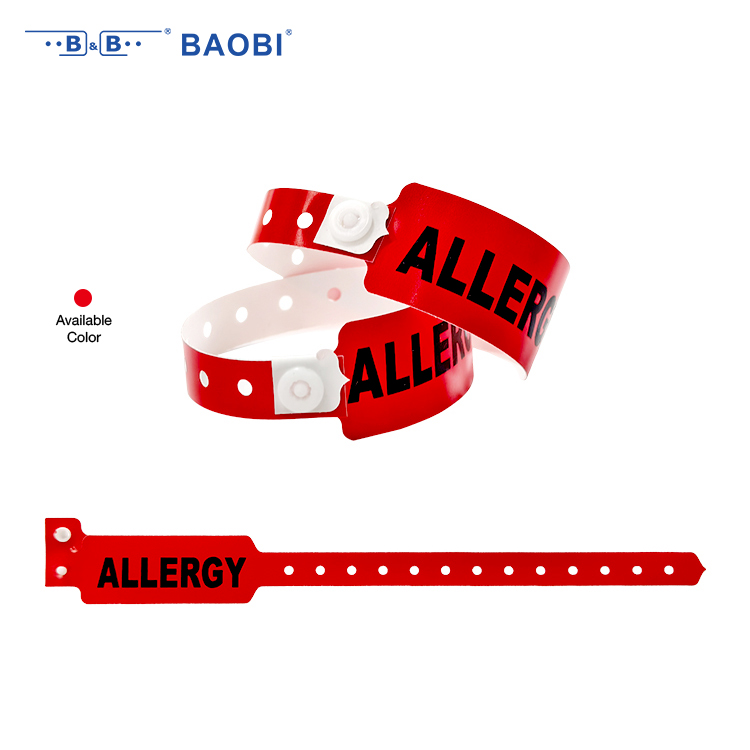
Typical medical IDs shout "patient" before they whisper "person." They're clunky, sterile, and often end up buried in a drawer. We asked a different question: what if a wristband could blend the aesthetics of everyday jewelry with life‑saving functionality? The result is a piece you reach for instinctively, even on days when health is the last thing on your mind.
The secret lies in obsessive attention to material and silhouette. By using hypoallergenic titanium, soft‑touch medical‑grade silicone, and an adjustable clasp that doesn't snag clothing, the band stays comfortable through sleep, showers, and sweat. The laser‑engraved medical symbol is visible only when someone looks closely — a deliberate choice to keep the focus on clean lines rather than clinical necessity. Interchangeable covers in muted matte tones and brushed metal finishes let the wearer switch personalities without compromising the NFC‑stored emergency profile sealed inside.
Beyond looks, the interaction was rethought from the ground up. Instead of requiring an app sign‑up or QR code scan under stress, first responders can simply tap any modern smartphone to the band. The secure chip transmits only the critical data: allergies, conditions, medications, and emergency contacts — no internet connection needed. It’s a system that works precisely when you can't speak for yourself, wrapped in a design you’ll actually enjoy putting on every morning.
The Life-Saving Info That Speaks When You Can't
Imagine waking up in a twisted wreck, unable to speak or move. Strangers hover over you, asking questions you can’t answer—your blood type, what medications you’re on, who to call. That helplessness gnaws at you because you know these details could save your life, but they remain trapped inside.
This info doesn’t rely on your voice. It could be etched onto a pendant, stored as an emergency card in your phone, or tucked into your wallet. It calmly announces your penicillin allergy, your diabetes, the blood thinners you take. Some versions go further, automatically dialing your emergency contact with one tap.
For anyone living alone, managing a chronic condition, or pushing limits outdoors, it’s not just a trinket. It’s quiet reassurance. It waits, unobtrusive, until the moment you can’t speak for yourself—and then it becomes the most important sound in the room.
From Playful to Professional: Styles That Match Every Personality
Some days you wake up feeling bouncy and ready to crack jokes—why shouldn’t your outfit follow suit? Playful style leans into bold colors, unexpected patterns, and quirky accessories that spark conversation. Think graphic tees with a clever twist, mismatched socks peeking from cropped trousers, or a whimsical bag shaped like a piece of fruit. It’s not about being childish; it’s about keeping your look lighthearted and approachable. When you dress playfully, you give people permission to smile before you even say a word.
On the opposite end sits the polished, pulled-together aura that radiates competence without trying too hard. Professional doesn’t mean stiff—today’s office attire is all about clean lines, quality fabrics, and that one subtle detail that shows you mean business without shouting. A well-fitted blazer in an unexpected neutral, trousers with a fluid drape, or a crisp shirt with a discreet monogram can transform your presence. The secret lies in the fit and the fabric: when your clothes move with you instead of restraining you, confidence becomes second nature.
The real magic happens when you blend the two extremes to fit your unique rhythm. Maybe it’s pairing a tailored vest with funky sneakers, or wearing a pop of neon under a classic trench. You don’t have to choose between playful and professional—the most memorable styles often dance somewhere in the middle. The key is letting your outfit tell the story of who you are on that particular day, whether it’s a creative brainstorm or a boardroom pitch. After all, clothes are just another language, and you get to decide the dialect.
Simple Steps to Create a Wristband That's Uniquely Yours
Crafting a wristband that feels entirely your own begins with gathering materials that speak to your style. Instead of defaulting to the same beads and cords everyone uses, hunt down unexpected elements—maybe a strip of soft leather from a discarded bag, a vintage button unearthed at a flea market, or a charm that once belonged to a favorite necklace. The goal is to let your wristband tell a story, so let the materials guide you rather than forcing a pre-planned design.
Next, skip the rigid patterns and allow yourself to work organically. Lay out your pieces, move them around, and see how they interact. You might weave a thin cord through a metal ring, then knot it loosely, letting the ends dangle unevenly. Embrace asymmetry—it adds a lived-in feel that factory-made bands can't replicate. The process should feel more like play than precise crafting; that's where the magic of a truly one-of-a-kind piece emerges.
Finally, trust your instincts when it comes to finishing touches. Instead of a standard clasp, consider a simple slipknot that adjusts easily, or a hand-sewn loop that shows off the thread's color. The imperfections are what make it unmistakably yours, so resist the urge to polish everything away. Wear it a few times, let it gather character, and you'll have a wristband that no one else can recreate.
Real Stories: How a Simple Band Made All the Difference
Sometimes the smallest things carry the most weight. For my grandfather, that thing was a plain rubber band he wore on his wrist every day. He said it was from a newspaper bundle on the morning my mom was born—a makeshift reminder of joy. When he passed, I slid it onto my own wrist. It’s a conversation starter, a fidget tool, and a quiet anchor. Not a fancy gadget, not a motivational poster—just a band that still holds our family together.
I started wearing a simple black hair tie after my best friend moved across the country. At first, it was just what I had on hand during our last brunch. Now, it’s traveled to three continents with me, frayed and stretched thin. Strangers ask if I need a new one, but they don’t see what I see: a thread connecting me back to that table, to her laugh, to a promise we’d always make time. It’s not about the band itself—it’s about who you become when you remember why you put it on.
During my first marathon, I noticed an elite runner with a colorful loom band on her ankle. After the race, I asked about it. She smiled and told me her daughter made it years ago and insisted she wear it for luck. It wasn’t aerodynamic, it wasn’t high-tech—just a flimsy loop of silicone. But she said it reminded her to run with joy, not just grit. I went home and dug out a friendship bracelet my niece had made me. Now I never race without it, and my times have never been better—not because of the bracelet, but because of the shift in mindset it unlocked.
FAQ
Custom allergy wristbands are wearable bands that display vital medical information about a person's allergies. They are especially important for children, elderly individuals, or anyone at risk of severe allergic reactions. If the wearer is unable to communicate during an emergency, first responders can quickly read the band to avoid administering harmful substances like penicillin or peanuts.
Unlike traditional metal bracelets, custom allergy wristbands are often made from silicone or fabric, making them lightweight, waterproof, and comfortable for all‑day wear. You can personalize them with multiple allergies, emergency contacts, and even playful designs for kids without sacrificing readability. They bridge the gap between fashion and function—something a steel chain can't always do.
Focus on life‑threatening allergies first: latex, peanuts, bee stings, or specific drugs. Add an emergency contact number and, if space allows, any critical medical conditions like asthma or diabetes. Keep the text concise so it remains legible. The goal is to give paramedics instant, clear guidance when seconds count.
Yes. Silicone bands are non‑absorbent, hypoallergenic, and won't rust or corrode. They stay put during rough play and don't have sharp edges. Many parents prefer them over chain bracelets precisely because kids can ignore them yet still be protected. Just choose a snug but not tight fit.
High‑quality bands are built to withstand daily wear, sweat, showers, and sun exposure. The printing method matters: laser engraving or deep‑set ink lasts much longer than surface printing. Some may fade after months of heavy use, but they're affordable enough to replace regularly without worry.
Many online services let you completely customise the colour, text, font, and symbols. Look for providers who offer proof previews and one‑off orders rather than bulk packs. Avoid generic "allergy alert" bands that don't list your specific triggers—those can cause confusion. A genuinely personalized band is a small investment for peace of mind.
Conclusion
Custom allergy wristbands are more than just accessories—they’re a straightforward, potentially lifesaving tool that communicates critical health information when you can’t speak for yourself. Whether you’re managing a severe food allergy, a drug sensitivity, or a condition like anaphylaxis, these wristbands ensure that first responders, teachers, or even kind strangers can quickly recognize your needs and act accordingly. Unlike generic medical IDs, modern custom designs blend safety with personal style, offering everything from sleek, professional bands to vibrant, playful options that even kids will want to wear. The key is to make them a consistent part of your daily routine, turning a necessary precaution into a smart, effortless habit.
Designing your own wristband is surprisingly simple, and the ability to personalize colors, fonts, and the specific allergy details makes it truly yours. Real-life stories show how a simple band has prevented accidental exposures, eased parental anxiety, and even saved lives in emergency situations. By combining essential medical info with a look you love, a custom allergy wristband becomes an indispensable everyday essential that quietly protects you while reflecting who you are.
Contact Us
Contact Person: Bill Xu
Email: [email protected]
Tel/WhatsApp: 8618688898707
Website: https://www.baobitech.com/