

Copper Pipe Manufacturing: A Comprehensive Guide to Production and Applications
2026-03-30
From the intricate plumbing systems in our homes to the cutting-edge HVAC installations in modern skyscrapers, copper pipes play an indispensable role in our daily lives. Yet, how much do we truly know about the journey these durable, versatile tubes take from raw ore to finished product? This comprehensive guide delves deep into the world of copper pipe manufacturing, exploring every step of the production process—from extraction and alloying to forming, testing, and quality assurance. We'll also uncover the diverse applications that make copper pipes a cornerstone of industries ranging from construction and refrigeration to renewable energy and healthcare. Whether you're an industry professional seeking technical insights or a curious reader eager to understand the hidden marvels of modern infrastructure, this guide offers valuable knowledge to satisfy your curiosity. At the forefront of innovation in this field stands Jiangsu Baowu New Materials, a leader in advancing copper technology with sustainable practices and precision engineering. Join us as we unravel the fascinating story behind these essential components and discover how they shape the world around us. Let's dive in!
The Journey from Ore to Tube: Key Steps in Copper Pipe Fabrication
In the fascinating process of copper pipe fabrication, it all begins with the extraction of copper ore from deep within the Earth. This raw material undergoes a series of transformations, starting with mining and beneficiation to remove impurities and concentrate the copper content. Through smelting and refining, the ore is converted into high-purity copper cathodes, which serve as the foundation for creating durable and versatile pipes used in plumbing, HVAC, and industrial applications.
Once the pure copper is obtained, it enters the fabrication phase, where it's shaped into tubes through methods like extrusion or drawing. Extrusion forces the copper through a die to form long, seamless tubes with consistent diameters, while drawing involves pulling the copper through progressively smaller dies to achieve precise dimensions and smooth surfaces. This stage requires careful control of temperature and pressure to ensure the pipes meet specific standards for strength and corrosion resistance, making them ideal for long-term use in various environments.
After shaping, the copper tubes undergo finishing processes such as annealing to relieve internal stresses and enhance flexibility, followed by cutting to length, cleaning, and sometimes coating for added protection. These final steps ensure the pipes are ready for installation, delivering reliable performance in systems ranging from residential water supplies to complex industrial networks. The entire journey highlights copper's unique properties, combining sustainability with functional excellence in modern infrastructure.
Advantages of Copper Pipes: Durability and Environmental Benefits
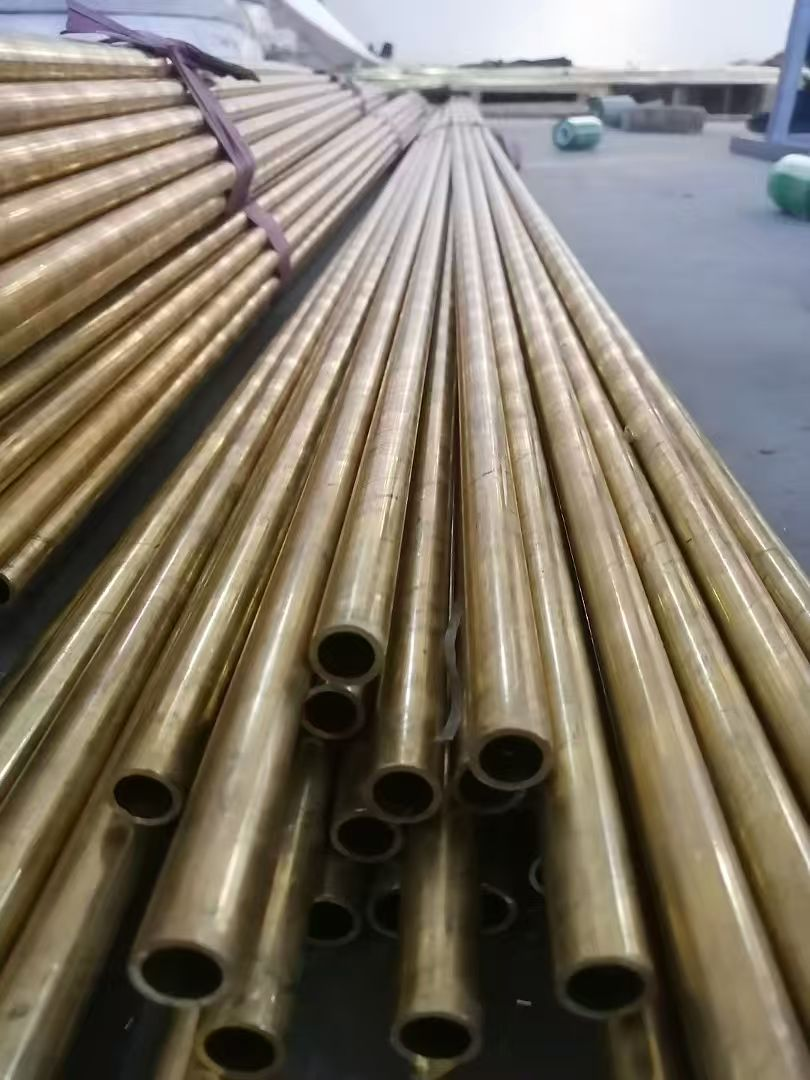
Copper pipes are a standout choice for plumbing systems, largely due to their exceptional durability that ensures they can last for decades without significant wear. Unlike some other materials, copper is highly resistant to corrosion and can withstand extreme temperatures and pressures, making it ideal for both hot and cold water applications in residential and commercial buildings. This longevity means fewer replacements over time, which not only saves money but also reduces the environmental impact associated with frequent material production and disposal.
In addition to their robustness, copper pipes offer clear environmental advantages. Copper is a natural, abundant resource that is fully recyclable without losing its quality—a process that consumes significantly less energy compared to producing new copper from ore. By choosing recycled copper, industries and homeowners contribute to a circular economy, minimizing waste and conserving natural resources. Moreover, copper's antimicrobial properties help maintain water quality by inhibiting the growth of harmful bacteria, promoting healthier living environments and decreasing the need for chemical water treatments.
Furthermore, the sustainability of copper extends beyond recycling; its efficient thermal conductivity makes it an energy-saver in heating and cooling systems, reducing overall energy consumption. When installed correctly, copper piping systems have minimal leakage risks, preventing water wastage and conserving this precious resource. By opting for copper, users not only invest in a reliable infrastructure but also support eco-friendly practices that align with modern sustainability goals, making it a forward-thinking choice for both new constructions and renovations.
Diverse Applications in Plumbing, HVAC, and Industrial Systems
In plumbing systems, advanced materials and smart technologies have revolutionized water management. From residential installations to large-scale municipal projects, modern solutions like corrosion-resistant piping and real-time monitoring sensors enhance efficiency and durability. These innovations help prevent leaks, reduce maintenance costs, and conserve water, making them essential in both urban and rural settings.
HVAC systems now integrate with building automation to optimize energy use and indoor comfort. Applications range from smart thermostats in homes to complex climate control in commercial spaces, ensuring precise temperature and air quality. This adaptability supports sustainability goals by lowering carbon footprints and improving occupant health through better ventilation and filtration technologies.
In industrial settings, specialized systems handle high-pressure fluids, chemicals, and gases safely. Examples include process piping in manufacturing plants and robust HVAC for factories, where reliability is critical. These applications often incorporate automation and remote diagnostics to minimize downtime, highlighting how tailored solutions drive productivity and safety across diverse industries.
Quality Control and Testing Methods for Reliable Performance
Ensuring reliable performance in any system hinges on robust quality control and thorough testing methods. It's not just about checking boxes at the end of production; it's a proactive approach that weaves quality into every stage, from initial design to final deployment. For instance, by implementing statistical process control, we can monitor performance metrics in real-time, catching deviations before they escalate into failures. This hands-on, continuous approach helps build resilience and trust, making the final product not just functional but dependable under varying conditions.
Beyond surface-level checks, advanced testing methods dive deep into how components interact under stress. Think of it as putting the system through its paces in scenarios that mimic real-world use—whether that's simulating high traffic loads, extreme temperatures, or unexpected user inputs. Techniques like failure mode and effects analysis (FMEA) allow us to anticipate potential weak points and address them preemptively, ensuring that when things get tough, the system holds up without a hitch. It's this meticulous attention to detail that transforms a good product into a great one.
In practice, integrating automated testing with human oversight creates a dynamic balance that enhances reliability. Tools like automated regression tests can quickly verify that new updates don't break existing functionality, freeing up teams to focus on creative problem-solving and edge cases. Meanwhile, manual exploratory testing brings a human touch, uncovering nuances that scripts might miss. Together, these methods foster a culture of quality, where every iteration is an opportunity to refine and reinforce performance, ultimately delivering experiences that users can rely on day in and day out.
Innovations in Manufacturing Techniques and Sustainability Trends
The industrial landscape is rapidly transforming as companies adopt advanced manufacturing techniques to boost efficiency and eco-friendliness. Technologies like additive manufacturing and robotics are not just speeding up production but also enabling precise material usage, which cuts down waste significantly. This shift is crucial for meeting stricter environmental regulations and growing consumer demand for sustainable products.
Beyond reducing environmental impact, innovations such as closed-loop systems are changing how factories operate. By recycling water and energy, these systems minimize resource consumption and lower operational costs. Many industries are now integrating smart sensors and IoT devices to monitor processes in real-time, allowing for adjustments that further enhance sustainability.
Moreover, the push towards sustainability is driving the development of biodegradable materials and renewable energy sources in manufacturing. Companies are exploring solar-powered facilities and bio-based plastics to create products with a smaller carbon footprint. These trends are shaping a future where manufacturing not only meets economic goals but also contributes positively to the planet.
Choosing the Right Copper Pipe: Grades, Sizes, and Installation Tips
Selecting the appropriate copper pipe for your project involves balancing factors like durability, cost, and local plumbing codes. Copper pipes are typically graded into types K, L, and M, each with distinct wall thicknesses and uses. Type K, with its thick walls, is ideal for underground applications, while Type L is commonly used in residential plumbing. Type M, the thinnest, suits low-pressure systems. Understanding these grades ensures you pick a pipe that meets safety standards and lasts for years without leaks or corrosion.
Sizes play a crucial role in copper pipe selection; they are measured by both nominal diameter and actual outer diameter. Common sizes range from 1/4" to 4", with 1/2" and 3/4" being popular for home water lines. It's essential to match the pipe size to your system's flow requirements; using a pipe that's too small can cause pressure drops, while an oversized one may waste materials. Always check local building codes, as they might specify minimum sizes for certain applications to ensure efficient water delivery.
Installation tips can save time and prevent future issues. First, cut copper pipes cleanly using a tubing cutter to avoid burrs that might impede flow. When soldering joints, apply flux evenly and heat the pipe evenly to create a strong seal; over-heating can weaken the metal. Consider using push-fit or compression fittings for DIY projects, as they require no soldering and are easier to install. For outdoor or exposed pipes, insulate them to prevent freezing in cold climates, which can cause costly damage.
FAQ
Copper pipe production typically starts with high-purity copper, often refined from copper ore or recycled scrap. The material is usually in the form of cathodes or billets, which are then processed through extrusion or drawing methods to form pipes.
In extrusion, heated copper billets are forced through a die using hydraulic pressure, shaping them into seamless pipes. This method is common for larger diameters and allows for consistent wall thickness, though it requires precise temperature control to prevent defects.
Copper pipes are highly durable, resistant to corrosion, and can withstand high temperatures and pressures. They also have antimicrobial properties, making them ideal for plumbing systems, though they may be more expensive than PVC or PEX in initial costs.
Copper pipes are widely used in plumbing for water supply lines, HVAC systems for refrigerant lines, and in industrial settings for transporting gases or chemicals. Their reliability makes them a top choice for both residential and commercial projects.
Quality control includes testing for dimensional accuracy, wall thickness uniformity, and surface defects. Non-destructive methods like eddy current testing are often employed to detect cracks or inclusions without damaging the pipes.
Annealing involves heating copper pipes to a specific temperature and then cooling them slowly, which softens the material and improves ductility. This process is crucial for pipes that need to be bent or shaped during installation without cracking.
While copper is recyclable and has a long lifespan, its production can involve energy-intensive processes and potential emissions. Many manufacturers adopt sustainable practices, such as using recycled copper and optimizing energy efficiency in plants.
Recent innovations include automated extrusion systems, real-time monitoring with sensors, and improved alloy formulations to enhance performance. These advancements help reduce waste, increase production speed, and meet stricter industry standards.
Conclusion
Copper pipe manufacturing begins with a detailed journey from raw ore to finished tube, involving several key steps in fabrication that ensure high quality. This process not only highlights the material's inherent durability but also showcases significant environmental benefits, making copper a sustainable choice. The versatility of copper pipes is evident across various applications, including plumbing, HVAC systems, and industrial uses, where reliability is paramount. To maintain this reliability, rigorous quality control and testing methods are implemented throughout production, ensuring pipes meet performance standards.
Recent innovations in manufacturing techniques have further enhanced efficiency and sustainability trends, driving advancements in the industry. When selecting copper pipes, it's crucial to consider factors such as grades, sizes, and proper installation tips to optimize their lifespan and functionality. This comprehensive guide covers all these aspects, providing a thorough overview of production processes and practical applications, helping users make informed decisions based on specific needs and environmental considerations.
Contact Us
Contact Person: Zoe Liang
Email: [email protected]
Tel/WhatsApp: 86 189 2128 6299
Website: https://www.baowuchina.com