

Combined Transformer Manufacturer Approaches to Meeting Modern Grid Demands
2026-09-19
As power grids face unprecedented strain from renewables, EVs, and decentralized generation, transformer manufacturers can no longer rely on single-dimensional fixes. The real edge comes from combining hardened core designs, smarter thermal management, and digital-ready monitoring—all in one platform. At the center of this shift is Lugao, a manufacturer that refuses to treat these demands as separate problems. Instead, Lugao merges proven load-handling engineering with adaptive, future-facing architecture to keep modern grids stable without sacrificing efficiency or lifespan.
The Quiet Shift to Amorphous Metal Cores
For years, amorphous metal cores lingered on the edges of power distribution, talked about mostly in research circles and niche high-efficiency projects. The shift happening now isn't loud; it shows up in revised utility specifications, in transformer tenders that quietly favor lower no-load losses, and in the growing number of manufacturers offering amorphous core options without making a fuss about it. The material itself has a disordered atomic structure, unlike the crystalline grain-oriented silicon steel that has dominated for decades. That disorder means magnetic domains realign with far less resistance, so hysteresis losses drop sharply.
The practical appeal is easiest to see in distribution transformers, which spend much of their life lightly loaded or even sitting idle, still drawing excitation current. With a conventional silicon steel core, those no-load losses accumulate into a steady, invisible cost. Swapping in an amorphous metal core can cut those losses by 60 to 70 percent, a difference that shows up in the total cost of ownership over a transformer's service life even when the unit itself carries a slightly higher price tag. This is why utilities have started shifting without much public discussion; the math works in their favor, and the technology has matured enough that brittle ribbon handling and core assembly no longer scare off production engineers.
There are still tradeoffs that keep the shift gradual rather than abrupt. Amorphous alloys saturate at a lower flux density than grain-oriented steel, so cores tend to be physically larger for the same power rating, and they can produce a bit more audible noise. But as efficiency standards tighten and energy costs continue to climb, the penalty for sticking with older core materials grows harder to justify. The change isn't a revolution, just a steady reallocation of manufacturing lines and procurement priorities, which is exactly why it has gone mostly unnoticed outside the industry.
Transformers That Text You Before They Trip
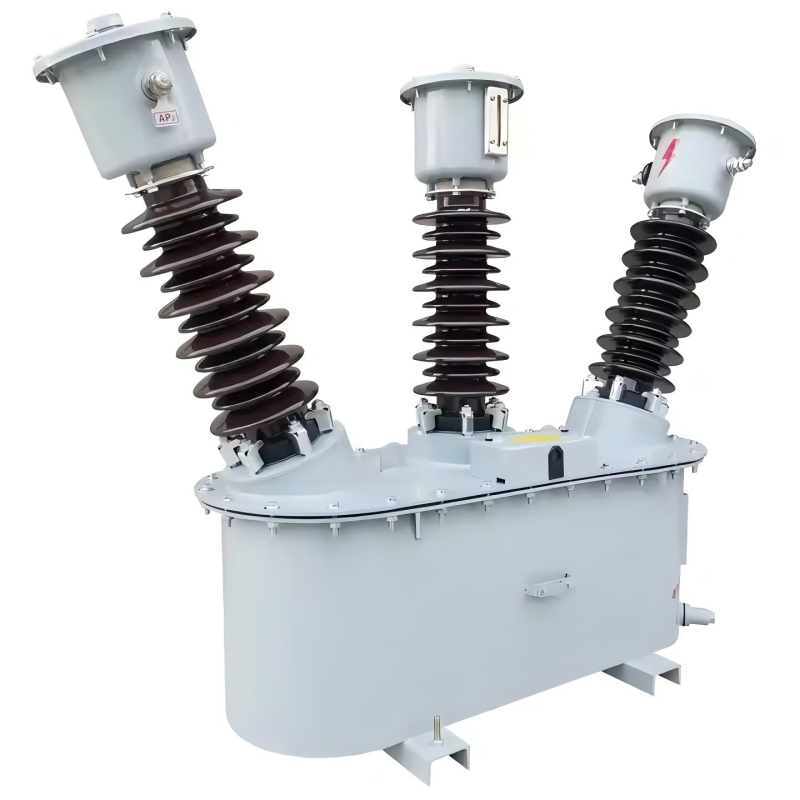
Picture this: your Autobot buddy is strolling down the street, minding its own business, when it suddenly realizes a loose manhole cover is about to send it flying. Instead of just face-planting in silence, it whips out its comm link and pings you: "Hey, about to eat pavement. Thought you should know." That's the charm of a Transformer that texts before it trips—no dramatic collapse without a courtesy heads-up.
The trick is in the gyroscopic sensors and a tiny bit of sass in the code. When the balance starts to tilt beyond a safe angle, the onboard system doesn't just brace for impact—it fires off a quick message to the nearest human. The text might include a readout of the exact obstacle, an estimate of how awkward the fall will look, and sometimes a request for help. It's like having a friend who narrates their own pratfalls in real time.
Honestly, it beats the old days when a robot would just crash and you'd find out hours later from a scratched paint job. Now you can rush over with a tow cable or at least save the video for the group chat. Some owners swear these pre-fall texts have saved them from worse damage, while others just appreciate the honesty. Either way, if your giant robot is going to eat dirt, at least it has the decency to let you know first.
Plug-and-Play Units Built for Rapid Swaps
No screws, no wiring diagrams, no service call. Each unit clicks into a standardized cradle and locks with a single latch, so swapping a worn module or upgrading to a different spec takes under a minute. That kind of turnaround keeps production lines moving instead of waiting on a technician.
Because the interfaces are uniform across the whole family, you can pull a basic unit and drop in a higher-capacity one without reconfiguring anything downstream. It’s the difference between adapting to a new job in the time it takes to wheel over a cart and shutting down half the floor for an afternoon.
This also changes how teams handle maintenance. Instead of stocking fragile spare parts and hoping someone remembers the exact torque settings, you keep a few sealed units on a shelf. When something fails, it’s a two-minute unclip-and-replace routine that doesn’t require a specialist or a detailed checklist.
Mapping Grid Stress with Utility Partners
Utilities rarely see the full picture of stress building across their network until a transformer overheats or a feeder trips. Working directly with utility partners, we overlay operational data—load profiles, voltage sags, planned outages—onto localized grid maps. That shared view turns abstract stress indicators into street-level decisions, whether it's rerouting power around a stressed substation or staging crews before heatwaves push demand past comfortable thresholds.
The real value comes from matching stress signals with partner field knowledge. A dip in voltage on one circuit might mean nothing on a mild spring day, but paired with a partner's note about aging underground cable, it becomes a preemptive replacement task. These conversations happen over shared maps, not spreadsheets, so both sides see the same stress contours and agree on what matters before money gets spent.
Some utilities prefer weekly map reviews; others want real-time alerts pinned to specific grid assets. We adapt the mapping cadence to how each partner operates. That flexibility keeps stress mapping from becoming another dashboard nobody checks. Instead, it becomes the place where utility engineers and our team mark what's changing, what's holding steady, and what needs attention before the next peak season arrives.
Weatherproofing Beyond the Nameplate
An IP rating stamped on a housing tells only part of the story. Real weatherproofing is about surviving the unscripted moments: a sudden dust storm at a remote site, weeks of salt spray on a coastal installation, or repeated thermal shock from day-night cycling in high desert. The nameplate may promise basic protection, but the materials and assembly choices behind it determine whether the unit still works cleanly five years later.
Look beyond the test certificate and you'll find the details that matter. Gaskets made from low-compression-set silicone rather than generic rubber, stainless steel hardware with anti-galling coating, and drainage channels that prevent water from pooling at the bottom edge. These are not standard checklist items, but they change how the enclosure behaves when the seal is slightly misaligned or the mounting surface warps under load.
Field data often tells the sharper truth. Units that spend a decade on a rooftop in a northern climate, facing freeze-thaw cycles and UV exposure, show almost no visible degradation when the internal components are inspected. That kind of performance doesn't come from meeting a spec—it comes from designing for the messy, uneven reality that no nameplate captures.
Digital Twins That Cut Startup Time
Most teams waste weeks waiting for physical prototypes or navigating scattered documentation. A digital twin flips that timeline: you build a working virtual replica first, then let it absorb every design change before a single physical part gets ordered. This early feedback loop catches misalignments and integration issues while they are still cheap to fix.
The real time savings come from reusing the twin across stages. Once the virtual model is in place, startup engineers can run thermal, structural, and control simulations in parallel instead of sequentially. That means the team no longer has to choose between exploring multiple design options and hitting a launch date—they can do both, because each iteration costs minutes rather than weeks.
Startups that adopt this approach often describe a shift in risk: the first physical build starts to feel like a confirmation step rather than a discovery process. Vendors and investors can also interact with the twin early, which shortens procurement and due diligence conversations. The result is a compressed path from concept to functional prototype, with fewer surprises after the money has been spent.
FAQ
They are moving away from rigid, load-following designs toward units that tolerate rapid voltage swings and bidirectional power flow. This includes using more resilient core materials, reworking tap changer logic, and adding thermal buffers so transformers can absorb intermittent solar and wind output without accelerated aging.
Manufacturers now embed dissolved gas analysis, partial discharge sensors, and fiber-optic temperature probes directly into the units. The data feeds predictive maintenance platforms, allowing operators to spot insulation stress or overheating before failure, rather than relying on fixed maintenance intervals.
Modern grids carry more harmonic content and peak loads from EVs and heat pumps, so traditional oil or air cooling can fall short. Manufacturers are experimenting with directed-flow pumps, synthetic ester fluids, and hybrid cooling channels that keep hot spots within safe limits while lowering total energy loss.
They are using amorphous metal cores to reduce no-load losses and noise, then pairing them with compact tank geometries and sound-dampening enclosures. Some designs also shift to dry-type insulation, which eliminates oil containment systems and makes indoor installation simpler.
Instead of simply adding expensive materials, they focus on modular components and improved manufacturing tolerances. For example, replaceable bushings, better paper drying processes, and on-site oil regeneration allow utilities to extend asset life incrementally rather than buying a fully overbuilt unit.
Manufacturers are shifting from traditional kraft paper to thermally upgraded paper and aramid blends that resist partial discharge at elevated temperatures. They also use lower-viscosity ester fluids that improve heat transfer and reduce the fire risk associated with mineral oil.
Designs now include higher short-circuit withstand ratings, sealed tanks with nitrogen blankets to block moisture ingress, and elevated bushings for flood-prone areas. Some factories also pre-stage mobile transformer trailers so utilities can quickly replace damaged units after storms.
Several manufacturers are working directly with utilities to set sustainable material targets, such as using recycled copper and low-carbon steel, and offering take-back programs for aging units. They also publish environmental product declarations, making it easier for grid operators to compare carbon footprints across suppliers.
Conclusion
Grid operators today face a knot of pressures—aging assets, wilder weather, and the sprint toward renewables. Quietly, transformer makers are answering with a blend of material science and embedded intelligence. The move to amorphous metal cores is no longer experimental; it cuts no-load losses dramatically, and utilities notice the drop in wasted energy before the first fault ever occurs. On the monitoring side, units now send alerts directly to maintenance crews before a trip, turning reactive repairs into planned interventions. This shift is less about flashy gadgets and more about giving operators a clearer view of thermal stress, harmonic distortion, and load creep as they happen.
The same pragmatism shows up in how transformers are installed and revived after failures. Plug-and-play designs with standardized bushings, prewired control cabinets, and modular tap changers let field teams swap a unit during a single outage window instead of wrestling with custom rigging for days. Behind the scenes, manufacturers collaborate with utilities to map grid stress—overlaying asset age, load forecasts, and fault history—so a replacement or upgrade lands where it relieves the most strain. Weatherproofing now goes beyond IP ratings: gaskets, breathers, and paint systems are tested against salt fog, ice, and flooding, not just a nameplate spec. And when a new transformer is commissioned, a digital twin—fed by factory test data and real-time sensors—lets operators simulate energization and load steps, slashing startup time from weeks to hours. Taken together, these approaches are reshaping what a transformer is expected to do on a modern grid.
Contact Us
Contact Person: Doreen
Email: [email protected]
Tel/WhatsApp: 8618057712366
Website: https://www.liugaopower.com/