

Cat Litter Making Machine Supplier: How to Choose the Right Partner for Your Production Line
2026-08-01
The pet care industry is booming, and cat litter production has never been more competitive. Your choice of machinery supplier can make or break your entire operation—downtime, inconsistent output, or poor after-sales support can cost you far more than the initial investment. That's why selecting the right partner is not just a procurement decision; it's a strategic move. As you evaluate options, you'll want a supplier that combines engineering expertise, reliable service, and a deep understanding of your production goals. MINGDE brings decades of manufacturing excellence to the table, but what exactly sets a dependable supplier apart from the rest? Let's explore the key factors that ensure your production line runs smoothly from day one.
Evaluating the True Build Quality of Cat Litter Machinery
When you're standing on a factory floor, surrounded by the hum and rumble of production lines, the difference between machinery built to last and equipment that’ll nickel-and-dime you with repairs becomes surprisingly tactile. True build quality in cat litter machinery isn’t about glossy brochures or spec sheets packed with buzzwords; it’s about the thickness of the steel used in the mixing paddles, the weight of the bearing housings, and whether the welds look like they were laid by a skilled hand or a hurried robot. Run your fingers along a seam—if it’s smooth and consistent, someone cared. If it’s lumpy or has spatter, walk away. These details matter because cat litter, whether clay, silica, or plant-based, is abrasive and relentless. Thin-gauge metal and undersized motors will fatigue fast, leading to downtime that eats into your margins before you’ve even fully ramped up.
Another layer often overlooked is how components are integrated. A lot of knock-off machines simply bolt together off-the-shelf parts without considering how vibration, material flow, and heat affect the entire system. Genuine quality shows up in touches like reinforced frames that dampen resonance, seals that actually keep fine dust out of bearings, and control panels that are intuitive rather than an afterthought. Pay attention to the drive system: chain drives might be cheap to replace, but they stretch and require constant tensioning, whereas a well-engineered direct-drive or gearbox setup runs quieter and longer with fewer interventions. The best manufacturers test their designs under load with actual litter, not just water or inert filler, because the way clumping agents compact or crystal silica settles can expose weaknesses you’d never catch in a quick demo video.
Lastly, don’t underestimate the value of consistency in fit and finish across multiple units. If you see one machine with perfectly aligned panels and the next one with gaps, that’s a red flag about their quality control. Truly robust cat litter machinery comes from shops where assembly is as disciplined as engineering, meaning repeated measurements, torque checks, and thorough run-in procedures. Ask to see maintenance logs from existing customers, not just curated testimonials. The real story is in how many spare parts they’ve ordered in the first year—that number tells you more about build quality than any polished sales pitch ever could.
Why Production Expertise Matters More Than a Flashy Catalog
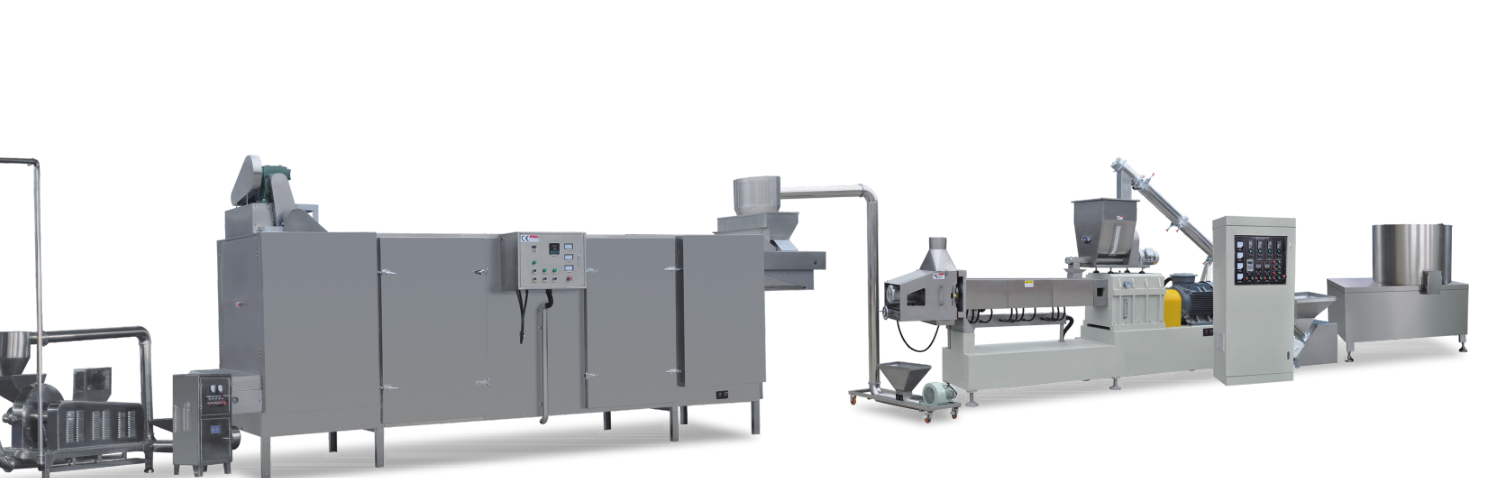
A glossy catalog can make almost any manufacturer look capable. Pages filled with product images and bold claims create an illusion of depth. But what often hides behind that polished surface is a lack of real-world manufacturing experience. A team that truly understands production isn't just showcasing what they hope to deliver—they've already encountered and solved the problems that inevitably arise when turning designs into tangible goods. Without that hands-on knowledge, even the most impressive catalog is just a wish list, and customers are left dealing with delays, quality gaps, and a partner who can't adapt when things go sideways.
Deep production expertise means more than repeating a process; it means knowing why each step matters and how to improve it continuously. Professionals grounded in making don't just follow specs—they refine them, catching potential issues long before they reach the factory floor. This ingrained understanding leads to consistent output, smarter material choices, and an almost instinctive approach to keeping lines running efficiently. A flashy catalog, on the other hand, often signals a company that has invested more in presentation than in process. When the moment comes to troubleshoot a finishing defect or optimize a high-volume run, only genuine experience keeps promises from turning into excuses.
Ultimately, a buyer is betting on a supplier's ability to execute, not on the thickness of their brochure. The manufacturers who quietly deliver, year after year, tend to be the ones who have built deep roots in their craft. They don't lean on a sprawling product range to impress; they trust their reputation for making things right. In the long term, reliability, informed decision-making, and the subtle art of preempting problems carry far more weight than any catalog ever could.
Customization Capabilities That Fit Your Unique Mix
True customization means more than picking colors and layouts—it’s about remixing the building blocks to match how you actually work. Our platform lets you blend features, workflows, and integrations in unexpected ways, turning a standard toolkit into something that feels entirely your own.
Need a dashboard that tracks metrics no one else cares about? Want to splice automation rules together like a playlist? You can. The system adapts to niche requirements without forcing you into rigid templates, so your unique mix of processes stays front and center.
What emerges isn’t just a configured product—it’s a reflection of your team’s rhythm and priorities. Every tweak compounds, leaving you with a setup that evolves as you do, never boxing you into someone else’s idea of “standard.”
Reading Between the Lines of After-Sales Support Promises
Most companies plaster their websites with bold claims of “24/7 support” and “dedicated account managers,” but these phrases often crumble under scrutiny. The reality is that around-the-clock availability might only cover automated chatbots on weekends, while the promised account manager could be assigned to a dozen other clients, leaving you waiting days for a meaningful reply.
Look past the marketing gloss to find specifics that are conspicuously absent. If a guarantee fails to mention response times for critical issues, what constitutes an emergency, or the exact escalation path, it’s likely protecting the company more than you. Phrases like “best effort” or “subject to availability” are silent admissions that they haven’t truly committed to anything measurable.
Before signing on, ask blunt questions and request written clarifications. A trustworthy partner won’t bristle when you demand concrete examples of how they’ve handled past failures. Real after-sales care reveals itself not in slogans, but in the willingness to stand behind their words with data, transparency, and a track record of making things right when plans inevitably go sideways.
The Overlooked Value of Real-World References and Site Visits
There’s a quiet magic that happens when you step away from a screen and into a physical space. A photograph can show you the light hitting a facade, but it can’t let you feel the texture of the stone or understand how the building breathes with the street. On a recent project, I spent an afternoon walking through a narrow alley that only existed in utility maps, not in any design portfolio. It changed everything about the way we approached the layout—bringing in considerations for wind, noise, and even the way pedestrians naturally moved through the area. No number of virtual tours could have offered that.
References that exist outside of curated databases often carry a richness that polished case studies miss. I once visited a small workshop where craftsmen were using a technique that had been passed down for generations, undocumented in any formal source. It wasn’t found in a library or a search result—it was simply part of the community’s rhythm. Bringing that into our work didn’t just add authenticity; it grounded the design in something real and human. These moments, gathered from walking the ground and talking to people, become the invisible thread that ties a project to its context in a way that purely digital research rarely achieves.
Aligning Machine Scalability with Your Long-Term Growth
Growth is rarely a straight line. When your machines struggle to keep up, you're not just losing capacity—you're silently capping your own potential. True scalability isn't about having the biggest system; it's about designing one that flexes with your ambitions, absorbing demand spikes without breaking stride, and scaling back when the pace slows. This alignment between what your hardware can do and where your business is headed is the quiet engine behind sustainable expansion.
Think of scalability as a conversation between your current operations and your future self. A rigid setup forces you into costly overhauls every time you push boundaries, while a thoughtfully architected one invites growth in, adapting its rhythm to yours. It's not just about adding more units—it's about ensuring each new phase of growth feels like a natural progression, not a disruptive leap. When your machines echo your long-term vision, every resource spent today becomes a building block for tomorrow.
The most resilient organizations treat machine scalability as a strategic partner, not a technical checkbox. They don't just react to growth; they pre-empt it, choosing systems that learn from usage patterns and evolve accordingly. This doesn't demand a crystal ball—just a commitment to flexibility over fixed capacity. By weaving scalability into the fabric of your operations, you transform your machinery from a potential bottleneck into a silent enabler of every milestone you chase.
FAQ
It’s tempting to go for the lowest bid, but that often backfires in production environments. Focus first on build materials, motor reliability, and overall engineering. A machine that breaks down frequently costs far more in downtime and repairs than the initial savings. Look for stainless steel components, proven control systems, and a supplier who can show you their machines running in real factories.
A genuine partner will ask detailed questions about your raw materials (bentonite, silica gel, tofu, etc.), desired output shapes, and target capacity. They should offer customized die plates, adjustable compression ratios, and even help you optimize your formula. If they just push a standard model without listening, walk away.
Beyond the warranty, you need technical support that’s actually reachable. The right partner provides remote troubleshooting, clear maintenance guides, and a reasonable supply of wear parts. Some even offer on-site training during installation. Always check how quickly they respond to inquiries before you buy—that’s a strong indicator of future support.
Absolutely. Photos and videos can hide a lot. Seeing the production line, the quality control processes, and how their engineers work gives you confidence. You can also test your own materials on their demo machines. If a visit isn’t feasible, ask for a live video tour and references from customers in your region.
Dig into their client list and ask for case studies of long-term partnerships. Check if they’ve supplied to well-known brands in the pet care industry. A solid track record over many years speaks louder than polished brochures. Also, see how they handle complaints—do they take responsibility or deflect?
Often, the smaller firms are more agile and willing to tailor machines to niche demands. They might offer unique features like energy-saving drying systems or quick-change mold designs that large corporations overlook. Don’t dismiss them; instead, evaluate their engineering team’s expertise and past custom projects.
Inquire about the expected life of core components like the main shaft, bearings, and rollers. Ask for a maintenance schedule and the availability of spare parts—can they ship fast from stock? A transparent supplier will give you a realistic timeline and explain which parts are user-serviceable versus requiring a technician.
Conclusion
Choosing a cat litter production partner starts with looking past glossy brochures and focusing on the actual engineering. The true build quality of the machinery becomes evident in the gauges of steel used, the precision of welding, and the consistency of components like motors and bearings—details that directly affect longevity and uptime. Dig deeper into the supplier's production expertise; a team that has formulated hundreds of blends understands how to fine-tune dryers, coolers, and pelletizers for your specific recipe, whether it's bentonite, tofu, or crystal litter. This hands-on knowledge prevents costly trial-and-error. Equally crucial is their willingness to customize—not just tweaking standard designs, but engineering a line that matches your plant's layout, capacity, and ingredient characteristics without forcing you into a one-size-fits-all solution.
Beyond the machine itself, after-sales support can make or break your operation. Go beyond vague guarantees and test their response times with a trial service request; see if they offer on-site training, remote diagnostics, or local spare parts stock. And don't underestimate the power of actual references—visit factories where their lines have been running for years, talk to operators about wear parts and real output rates, and observe the machinery under load. Finally, ensure the supplier thinks about scalability: can their system expand from a single line to a multi-layered complex as your brand grows? A partner that evaluates your five-year vision and builds in modular capacity will save you from future retrofitting headaches, turning a supplier relationship into a true growth alliance.
Contact Us
Contact Person: LILY SUN
Email: [email protected]
Tel/WhatsApp: 0086-13969103791
Website: https://www.snackfoodmachinery.com/