

Bulk Laserable ABS Sheet Factory Direct Supply for Laser Cutting and Engraving
2026-11-02
Bulk laserable ABS sheets shouldn't be a gamble. Yet many suppliers treat them like an afterthought—inconsistent gauge, burrs, or fading engraving. That's why LYSHIRE focuses on one thing: factory-direct ABS that cuts predictably and engraves with sharp contrast, batch after batch. In this post, we'll break down what to look for in a laser-grade ABS supplier and how buying direct can transform your production costs.
Factory-Direct ABS That Won't Warp Under the Laser
Most ABS sheets start bowing the moment the beam hits them—you end up chasing the focus, shimming corners, or scrapping parts. This batch doesn't do that. We pull it straight off the extrusion line after a slower cooling cycle, which locks the sheet flat before it ever reaches your machine. The result is a material that holds its shape under repeated passes.
You'll notice the difference on detailed engraving and long cut runs. Edges stay crisp, the sheet lies dead flat on the honeycomb bed, and there's no need to tape the corners down or flip the piece halfway through. It's not magic—just a tighter tolerance on thickness and a resin blend that's less prone to thermal stress buildup.
Because it ships factory-direct, the sheets spend less time in humid warehouses. Each order is cut to size from the same production lot, so if you order ten sheets today and ten more next month, the behavior under the laser doesn't shift. That matters when you're running a job that can't afford a mid-run surprise.
Pallet-Quantity Orders Without the Pallet-Sized Wait
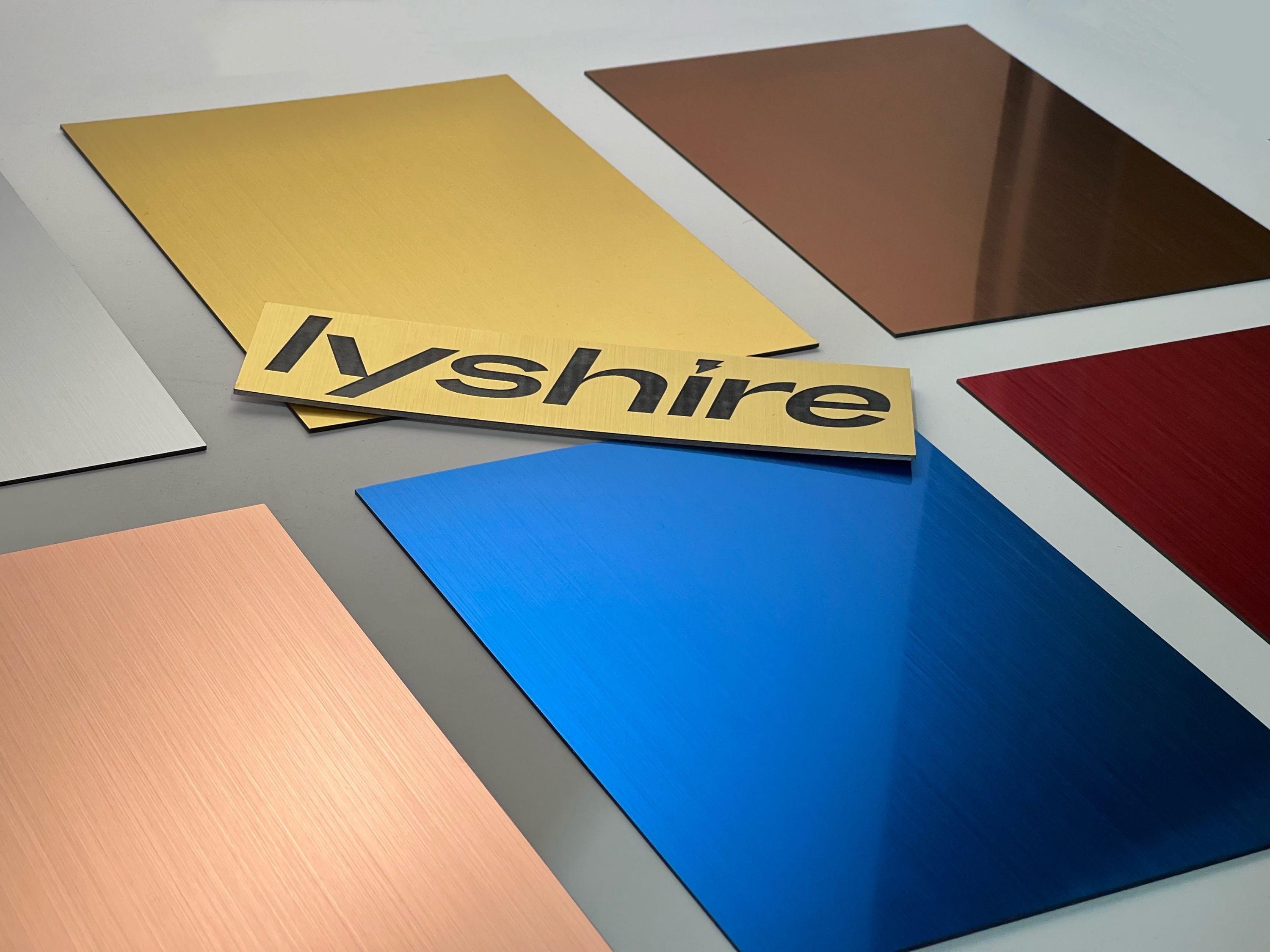
Ordering by the pallet used to mean committing to a rigid timeline. You either waited for a full truckload to consolidate or paid a premium to rush a half-empty trailer. We took a different route: our warehouse keeps the most requested SKUs staged and ready, so a pallet-quantity request can be wrapped, banded, and handed to the carrier within one business day. No fill rate games, no vague it-ships-when-it-ships promise.
The trick isn't magic—it's layout and discipline. Fast-moving items live near the dock doors, while slower stock fills the upper racks. When your order hits the system, a picker pulls from the reserve, scans each layer, and confirms counts before the wrap machine starts. That means a true 48-case pallet arrives as 48 cases, not 44 plus a note on the invoice.
Most warehouses treat pallet orders as an interruption; we treat them as the main event. By running a dedicated staging zone and holding open carrier slots each afternoon, we can quote a two-day turnaround without padding the delivery estimate. You get warehouse-level volume with parcel-level responsiveness—minus the long silence between order and arrival.
Two-Tone Core for Engraving That Needs Zero Paint
If you've ever spent more time touching up engraved letters with a paintbrush than actually running the laser, this core changes that. The two-tone construction has a thin cap layer over a contrasting base, so when you engrave away the top, the second color shows through cleanly. No paint, no drying time, no smudges.
The result looks deliberately finished rather than like a raw cut. Because the color is part of the material itself, it won't flake off or fade after cleaning. You get crisp edges on fine details, and the contrast holds up on small text as well as larger logos.
It's a practical fit for nameplates, control panels, signage, or anything that needs to stay legible without extra steps. Choose from combinations like black on white, white on black, or more specific pairings, and just run the job once.
Thickness Tolerance You Can Set Your Feeds By
Dialing in thickness tolerance isn't about chasing a perfect number on a spec sheet. It's about matching your machine's actual variation to what your cutting process can handle before quality drops off. Most shops run wide open because they never measure the true spread of their incoming material. Once you know that spread, you can set limits that keep scrap low without slowing the feed to a crawl.
Start by pulling samples from a few different coils or lots, not just the top sheet. Measure thickness at multiple points across the width and along the length. You'll quickly see patterns—edge drop, center crown, or a slow drift from start to finish. Those aren't defects to fix; they're baseline numbers to build your tolerance around. If your laser or punch can hold ±0.005" without issues, but your stock swings ±0.004", then your feed rate can stay aggressive. Tighten the material spec and you'll pay more for it, often without any real gain.
The real trick is making the tolerance band work with your tooling, not against it. A progressive die might forgive thickness swings if the feed pilot still engages. A shear might not care at all. But a precision bend station? Thickness drift changes the bend allowance and your angles go sideways. So set your tolerance where it actually affects the next operation. Then feed at the speed that keeps you inside that band without constant babysitting.
One Sheet Covers Sign Blanks, Jigs, and Everything Between
A single sheet that pulls together sign blanks, jigs, and all the in-between bits sounds almost too good to be true, but that's exactly what this reference does. Instead of flipping through a binder or digging through a drawer, you get a flat, glanceable rundown of the materials and tools that actually move a sign project forward.
Sign blanks get their due with notes on stock thicknesses, common sizes, and pre-finished edges so you can pick the right substrate without guesswork. Jigs are laid out by function—drilling, spacing, bending—so the page reads like a quick mental checklist rather than a catalog dump. It's the kind of thing you tape to the wall above the workbench and stop thinking about until you need it.
The space between those categories is where most jobs stall, so the sheet also includes the small hardware, spacers, and mounting clips that never get their own section. No fluff, no lengthy descriptions, just the essentials arranged so a quick scan tells you whether you have what you need or need to make a run.
Packed Flat, Stacked Right, Ready for Your Laser Bed
Every sheet arrives dead flat, no curls or waves to fight with. The stacking is deliberate—edges aligned, protective film intact, so you can slide one off the top and drop it straight onto the honeycomb without leveling tricks.
That means less fiddling with focus height, fewer wasted test cuts, and a cleaner burn from the first pass. When the material sits true, your laser doesn't have to guess where the surface starts.
FAQ
It's formulated to vaporize cleanly under a CO2 laser, leaving edges that don't need much post-processing. Unlike standard ABS, this grade doesn't melt into gobs or give off excessive residue.
Yes, bulk orders are the main focus. The factory handles pallet-sized shipments and can work with you on lead times if your volume is consistent.
Thickness typically ranges from 1mm to 10mm, but if you need something outside that, the factory can discuss custom extrusion runs for larger orders.
You skip the middleman markup, so per-sheet cost drops noticeably on volume orders. Shipping and packaging are also arranged by the factory, which keeps things streamlined.
You still need proper exhaust because ABS emits fumes when cut. The laserable grade produces less char and fewer volatile byproducts than generic ABS, but don't run it without a fume extraction system.
Standard stock includes black, white, and a few transparent tints. Matte and gloss finishes are available, and custom color matching can be done for orders above a certain quantity.
Sign makers, prototype shops, and packaging designers use them a lot. Also, model builders and educational labs order bulk because the material cuts fast and holds fine detail.
Conclusion
When you're feeding a production laser day in and day out, the last thing you want is material that curls mid-cut or throws your focal distance off. That's why these bulk ABS sheets come straight from the extrusion line with a flatness spec you can actually trust. We don't just say they won't warp under the laser—we've run them through countless cutting and engraving cycles and they stay put. The two-tone core is the quiet workhorse here: engrave through the cap and you get a clean contrasting color without reaching for paint or fill sticks, which matters when you're knocking out tags, labels, or control panels by the hundreds. Thickness tolerance is tight enough that you can set your feeds and speeds once and forget about tweaking between sheets, even when you're pulling from different layers in the stack.
On the supply side, ordering by the pallet doesn't mean waiting weeks while someone checks inventory. We keep the factory-direct channel stocked for exactly this kind of volume, so pallet-quantity orders move fast without the usual lead-time padding. A single sheet covers a lot of ground—sign blanks, fixture jigs, machine guards, prototype housings—so you're not juggling five different materials for five different jobs. And because they're packed flat and stacked with interleaving, they arrive ready to drop on your laser bed, not bowed from sitting in a hot warehouse or ratchet-strapped on a truck. If you've ever fought a warped corner during a full-sheet engrave, you'll notice the difference within the first pass.
Contact Us
Contact Person: Tina Hou
Email: [email protected]
Tel/WhatsApp: +86 17816238685
Website: https://www.lyshire.com