

Bulk Calcium Chloride 94% Pellets for Reliable Ice Control and Dust Suppression
2026-11-18
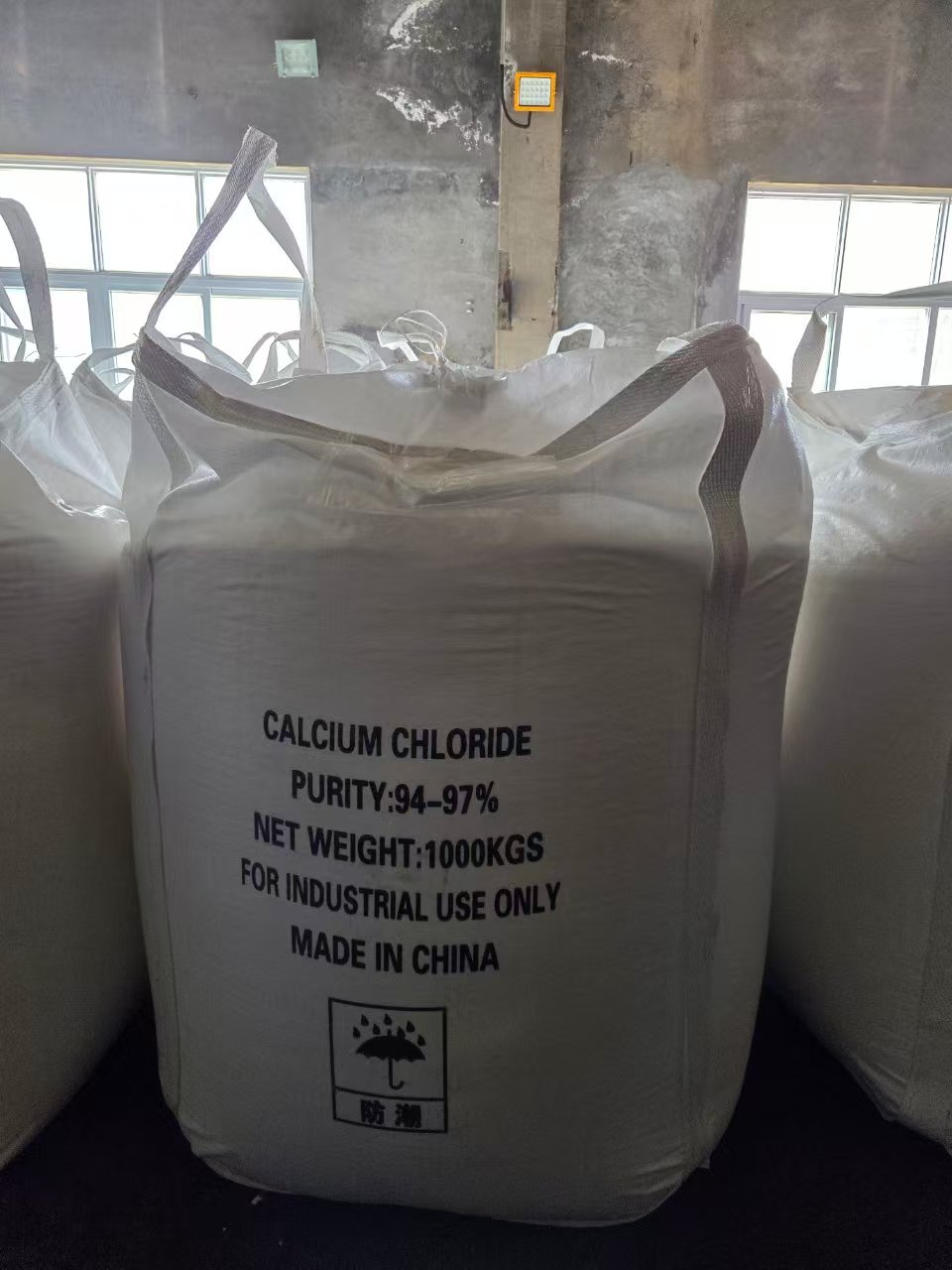
Frozen walkways and dust-choked roads rarely share the same conversation, yet both come down to one overlooked detail: moisture control. Bulk Calcium Chloride 94% Pellets handle that double duty with a practical edge—they keep generating heat to melt ice well after standard salt stops working, and they draw enough moisture from the air to settle dust on unpaved routes. For maintenance teams balancing both problems, that means fewer products to stock and fewer surprises when conditions turn. Sourcing through Shouguang Golden Chemical adds supply confidence without the guesswork of inconsistent blends.
Why Bulk Calcium Chloride 94% Pellets Keep Ice from Bonding to Pavement
Calcium chloride pellets don't just sit on top of packed snow and ice; they burrow downward while releasing heat. That initial warmth opens small channels in the ice sheet, giving the brine a path to the pavement surface. Once there, the liquid spreads beneath the frozen layer and breaks the bond that makes ice grip asphalt and concrete so tightly.
The 94% concentration matters more than it seems. Lower-purity material often carries extra moisture and non-reactive fines, which slows the reaction and leaves behind residue. With pellets at this strength, you get a fast, aggressive melt that keeps working at temperatures where standard rock salt turns sluggish. Because the pellets are dense and uniform, they also settle into the surface instead of skipping toward the curb or drain.
What prevents refreezing is the leftover brine. Even after visible ice is gone, that thin liquid film stays active and keeps new snow from locking onto the pavement. It buys extra time for plows and brooms to clear the surface, and it means less scraping later. In lots and roadways that move through repeated freeze-thaw cycles, that window is often what separates a clear driving lane from a glaze that returns by morning.
Handling Dust on Unpaved Roads Without Constant Watering
Water only works until the sun takes it back, so the more durable approach is to treat the road surface itself. Calcium chloride and magnesium chloride are two common options: they attract moisture from the air, coat the fine particles, and keep the surface lightly crusted far longer than a water truck can. In drier areas, synthetic polymer emulsions or lignin sulfonate can bind loose fines into a stable layer that resists lifting under tires.
A structural fix often beats any spray-on treatment. Crown the road so rainwater runs off instead of pooling, then add well-graded aggregate that contains enough fine material to lock the larger stones together. Compact it in thin lifts while it still holds moisture, and the surface becomes dense enough to shed water without turning to dust. Occasional re-grading and re-compacting after a rain can maintain that condition with far less water than routine sprinkling.
Dust can also be reduced by changing how traffic moves across the road. Lower speeds, especially on dry afternoons when fines are loosest, cut the turbulence that pulls particles into the air. In open or windy locations, a partial windbreak or even a low berm set back from the shoulder can slow surface wind enough to keep dust from becoming airborne before it settles back onto the roadway.
What a 94% Concentration Means for Large-Site Coverage
A 94% concentration shifts the math for large facilities in ways that are easy to overlook on a spec sheet. Fewer passes are needed to keep a wide floor, warehouse aisle, or open treatment zone consistently covered. That concentration gives crews more working time before refilling or adjusting equipment, which matters when the distance between supply points is measured in hundreds of feet rather than steps.
For broad, high-traffic spaces, dilution mistakes or uneven application become visible quickly. At this strength, the margin for mixing is narrower, but the payoff is cleaner coverage across long stretches without the patchy results that lower concentrations can leave behind. The practical effect is a more predictable finish from one entrance to the other.
Large-site work also tends to punish products that require constant reapplication. A higher concentration supports longer run times and steadier output, letting teams treat more square footage without repeatedly stopping to boost the mixture. That consistency, more than any single number, is what changes the feel of a large job.
Storage and Handling Habits That Preserve Pellet Strength
Wood pellets tend to shed fines and lose compressive strength when they bounce around too much, so the way you move and store them matters just as much as the raw material itself. A simple habit like pouring bags gently into a storage bin instead of tossing them from a height can keep the pellets from cracking along their length. It also helps to keep the storage area as dry and temperature-stable as possible, because repeated swelling and shrinking from humidity cycles quietly weakens the pellet structure over time.
Many people overlook how quickly pellets absorb moisture from a concrete floor or an unsealed garage wall. Even if the bag feels dry on the outside, the pellets near the bottom may be softening and starting to crumble. Placing bags on pallets or shelving, rather than directly on the ground, does more than prevent visible dampness: it preserves that firm, glossy surface that good pellets have when they leave the press. Rotating older stock to the front is another small habit that prevents weaker pellets from sitting forgotten at the back of a shed.
When handling pellets in bulk, avoid using augers or vac systems with sharp bends and long drops unless the equipment is specifically tuned for pellet transfer. A short, smooth drop into a lined bin causes far less breakage than a high-speed auger run that grinds pellets against each other. If you must move pellets more than once, consider sifting out fines before final storage; those tiny fragments act like sandpaper during transport and accelerate the breakdown of whole pellets. In practice, the pellets that stay strongest are usually the ones that have been handled like eggs: moved rarely, kept dry, and never dropped farther than necessary.
How Pellet Performance Shifts Across Freezing Temperatures
Pellet performance in freezing temperatures is rarely a straight line. As the mercury drops below zero, the plastic skirt and base of a standard pellet can stiffen, altering how the projectile leaves the barrel and how much spin it retains. Shooters often notice tighter initial groups on cold mornings, only to see vertical stringing appear once the barrel warms and the pellet interacts differently with frost-hardened rifling. The change is subtle, but it matters when a hunting shot or a competition string depends on repeatability.
Moisture adds another layer. A pellet fired through a cold bore can pick up micro-frost from residual humidity, and if the barrel has been stored in a warm room before being moved outside, condensation can form inside the bore. That thin film of ice is enough to shave velocity off the first few shots, then gradually disappear as friction melts it. The result is a cold-bore shift that has less to do with the pellet's alloy and more to do with what clings to it as it accelerates.
Heavier pellets tend to resist this better, not because they are warmer, but because their greater mass keeps velocity fluctuations smaller in percentage terms. Lightweight wadcutters, on the other hand, can show surprising drops in energy when temperatures fall below about minus ten degrees Celsius. Testing across a ten-shot string in those conditions usually reveals a wider extreme spread than what the same tin produces at room temperature, a reminder that frozen air and frozen plastic do not affect every pellet equally.
Application Rates That Reduce Waste and Keep Surfaces Manageable
Dialing in the right application rate is less about following a fixed chart and more about reading the moment. A lighter pass often does the job when humidity holds moisture longer, while a heavier touch becomes necessary after a dry spell has pulled water deep into the roots. The goal is to avoid puddling or runoff that carries product off the intended area and into places it was never meant to reach.
Timing the next pass matters just as much as the amount applied. Waiting for the surface to show early signs of stress—slight dulling of color, a faint footprint that lingers, or soil pulling away from edges—creates a natural cue. This approach cuts down on overlapping coverage and keeps the ground from becoming waterlogged, which in turn reduces fungal pressure and keeps walkways from turning slick.
Small adjustments in nozzle choice and walking speed can have an outsized effect. A slower, deliberate pace with a finer droplet tends to settle product evenly and stay where it lands, while a rushed, heavy stream often ends up running off hard surfaces before it can penetrate. By matching the rate to what the surface actually accepts, you get cleaner edges, less cleanup, and a noticeably more manageable space without constant reapplication.
FAQ
They release heat as they dissolve and lower the freezing point of water well below 0°F, so they keep working when ordinary rock salt becomes sluggish.
Keep them in a dry, covered area and reseal opened packaging tightly. Any exposure to humid air will draw moisture into the material and can turn the pellets into a hardened mass.
Yes. The pellets pull moisture from the air and help bind fine particles to the road surface, which reduces dust clouds and lowers the need for frequent watering or regrading.
A light, even scatter is usually enough for thin ice, while thicker ice needs a heavier application. Let the pellets sit a few minutes and then break up the softened ice; adding too much at once rarely speeds things up.
Use gloves and safety glasses, and avoid breathing the dust. The material is drying and can irritate skin and eyes, so wash exposed areas after handling and store it away from children and pets.
Higher purity means more active material per scoop and fewer inert fillers, so you get steadier melting performance and less leftover residue on the surface.
Any chloride-based deicer can contribute to surface wear and corrosion over time, especially on older or porous concrete. To limit risk, use only the amount needed, remove slush promptly, and avoid repeated heavy applications in one spot.
The pellets are formed into a fairly uniform size, which helps them spread evenly and reduces fine dust during loading. That consistency also gives a longer working time compared to flake or powder forms.
Conclusion
Bulk calcium chloride 94% pellets earn their place on large sites because the high concentration leaves less room for inert material, so every pass with a spreader puts more active de-icing power onto the surface. The pellets bite into packed snow and interrupt the bond between ice and pavement, making plowing faster and reducing the need for repeated treatments. Performance stays dependable even as temperatures drop well below the range where plain rock salt slows down, which matters on ramps, loading docks, and long access roads where a slick patch can stall operations. Adjusting the spread pattern and rate to match the surface keeps product use in check while still leaving a workable, gritty layer underfoot.
On unpaved roads and yard areas, the same pellets pull moisture from the air and keep fine particles damp enough to stay down, cutting dust without running a water truck all day. That moisture-seeking quality also means storage needs attention; sealed containers and dry, covered piles preserve pellet hardness so the product does not clump or soften before it reaches the ground. For broad coverage, a 94% concentration stretches further because crews are not paying freight and handling for filler. Simple habits like closing bags, keeping pallets off wet floors, and rotating older stock help maintain the crisp, uniform pellets that flow evenly through hoppers and deliver consistent results across changing weather.
Contact Us
Contact Person: Tom Cui
Email: [email protected]
Tel/WhatsApp: +8618663670626
Website: https://www.jinjigoldenchem.com