

Best Reactor Electric Heater for Your Home Heating Needs
2026-11-16
When winter's chill seeps through the walls, most homeowners simply crank up the thermostat and hope for the best. But if you're tired of uneven heat and soaring energy bills, it's time to rethink your heating source. The best reactor electric heater isn't just another appliance—it's a quiet powerhouse built for consistent, room-by-room comfort. Brought to you by Shenzhou Chemical Industry, this technology channels industrial-grade efficiency into a compact home unit. Curious how a reactor heater could slash your utility costs while keeping every corner cozy? Let's dive into what makes it a top contender for your heating needs.
What Actually Sets Reactor Electric Heaters Apart From Basic Space Heaters
Most basic space heaters are little more than a glowing element and a fan. They blast hot air into a room, the thermostat kicks off, and ten minutes later you're cold again. A reactor electric heater takes a different route: its core is built around a dense thermal mass, often a ceramic or mineral composite, that absorbs energy and then releases it slowly. That single difference changes how the room feels—warmth comes from all sides instead of one hot stream near the unit.
Because the heat isn't riding on moving air, a reactor heater avoids the dry, dusty smell you get when a fan-forced unit runs for hours. There's no constant cycling, no sudden spike in wattage every time the element re-ignites. The surface of a well-built reactor unit stays much cooler than a basic space heater's metal grille, which matters if you have kids, pets, or thin baseboards nearby. You can place it closer to where you sit without worrying about scorching the wall or tripping a breaker.
That same thermal mass also lets the heater coast after the power draw drops. A basic space heater cools down almost the moment it shuts off, but a reactor heater keeps radiating for a while. In a small or poorly insulated room, this means you don't need to run the unit at full output just to keep the temperature from bottoming out between cycles. The result is steadier comfort with fewer spikes on your electric bill—not because of a fancy label, but because the machine wastes less energy heating air that immediately escapes.
Matching Heater Output to Room Size Without Wasting Power
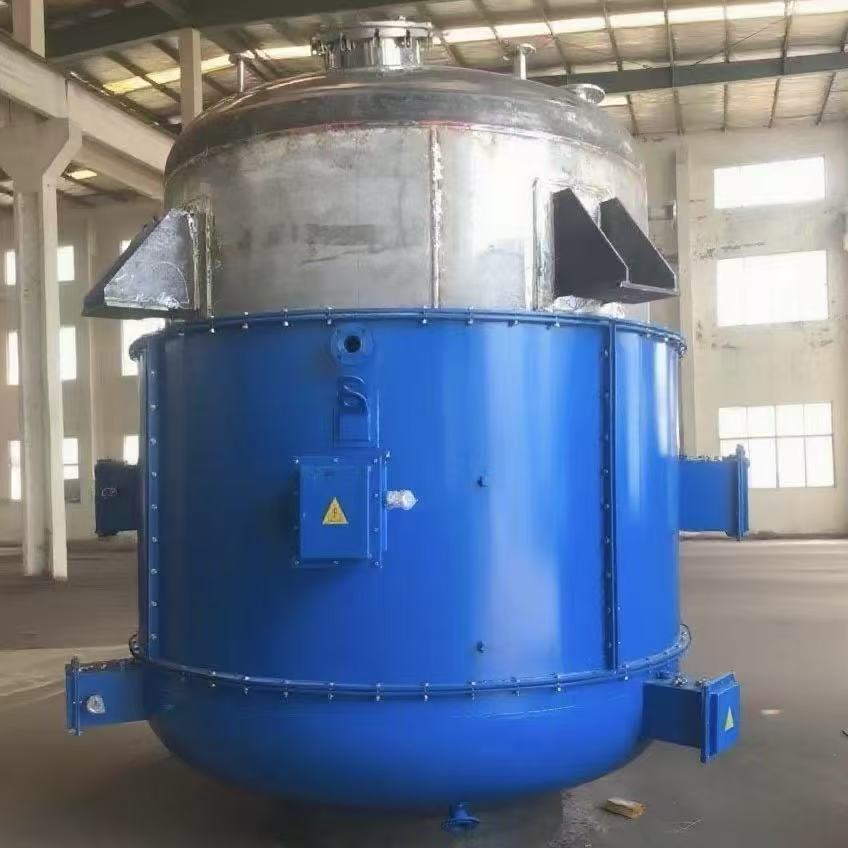
Most people guess at heater sizing and end up with a unit that cycles on and off every few minutes or one that runs nonstop without ever feeling warm. A better starting point is to measure the room’s floor area and multiply by a wattage factor that fits your climate and insulation level—roughly 80 watts per square metre for a well-insulated space, more if you have high ceilings or drafty windows. That gives you a target output, not a vague “medium or large” label.
Once you have that number, treat it as a ceiling, not a goal. Oversizing a heater doesn’t warm the room faster in a useful way; it just makes the thermostat hit its mark sooner, then shut off, leaving cold pockets near the floor. Undersizing, on the other hand, forces the element to stay at full blast, which often means higher energy bills for the same comfort. A heater that can run at 60–70% of its maximum output on a cold day is usually the sweet spot—enough reserve for a temperature drop, but not so much that it short-cycles.
Why Some Reactor Heaters Cut Energy Bills and Others Don't
The gap between a reactor heater that trims utility costs and one that quietly wastes power often comes down to how evenly heat reaches the process fluid. Units with tightly wound resistance coils bonded directly to the vessel wall transfer energy with minimal losses, while older designs rely on radiative gaps that bleed heat into the surrounding room. That difference alone can shift thermal efficiency by fifteen to twenty percent before any other factor enters the picture.
Control architecture matters just as much as the heating element. Solid-state relays paired with fast-response thermocouples let the heater modulate output in small increments, avoiding the wasteful full-on cycles common in mechanical contactor systems. Add in layered insulation with a reflective outer jacket, and the heater holds temperature longer between pulses, reducing total kilowatt-hours across a batch campaign.
Simple Safety Steps That Most Homeowners Overlook
Most people remember to test smoke alarms, but a surprising number never check whether the garage door's auto-reverse mechanism still works. Place a roll of paper towels under the door and close it; if the door doesn't reverse after touching the object, the sensor or force setting needs immediate attention. This small test takes under a minute and can prevent a serious injury, especially in homes with kids or pets.
Another overlooked step involves the dryer vent. Lint builds up not just in the removable trap but also inside the duct behind the machine and where it exits the house. If clothes take longer than usual to dry or you notice a burning smell, the vent is likely restricted. Detach the duct, clear out the lint with a brush or vacuum, and confirm the outdoor flap opens freely. Doing this once or twice a year reduces fire risk and keeps the appliance running efficiently.
Finally, walk through your home and check for heavy items that could tip over during an earthquake or when a child climbs. Bookshelves, dressers, and TVs are often left unanchored. Installing inexpensive anti-tip brackets or furniture straps takes about ten minutes per piece and is one of the most cost-effective ways to avoid a household accident.
Keeping Warm Air Moving Without Constant Fan Noise
Most space heaters either blast hot air with a constant drone or barely stir the room at all. The sweet spot is a unit that cycles its fan in short, low-speed bursts—just enough to push warmth away from the coils without turning your living room into a wind tunnel. Look for models with variable speed motors and thermal cutoffs that pause the fan once the surrounding air reaches your target temperature. That way, you get a gentle drift of heat rather than a mechanical roar.
Another trick is to rely on natural convection as the primary heat mover. Oil-filled radiators and baseboard convection panels warm the air slowly, and because hot air rises on its own, you don't need a fan at all. If you add a slim, whisper-quiet fan on the lowest setting—ideally one with a brushless DC motor—it can nudge the warm layer downward without creating noticeable noise. Mounting the fan low, pointed up at a shallow angle, helps mix the room without sounding like a turbine spinning up.
Finally, pay attention to the housing and blade design. Cheap plastic grilles rattle as they expand, and stamped metal blades chop the air into a whine. A heater with a dense, vibration-damped cabinet and curved, aerodynamically shaped blades can move the same volume of air at a fraction of the perceived loudness. Many newer units also include a night mode that locks the fan to a barely audible speed while slowly pulsing the heat output. That keeps the room from getting stuffy without waking you at 2 a.m.
Extending Heater Life Through Small Weekly Routines
Most heater failures trace back to dust and airflow, not old age. Pick one evening a week to switch the unit off, let it cool, and wipe down the intake grille and any reachable vents with a dry microfiber cloth. If your model has a washable filter, run it under lukewarm water and let it air-dry completely before it goes back in; paper filters get a gentle vacuum instead. Blocked airflow forces the heating element to work harder, so this ten-minute habit quietly removes the strain that shortens component life.
Use that same weekly window to check the space around the heater. Keep furniture, curtains, and loose papers at least three feet away, and listen for any new rattle or hum when you switch it back on. A change in sound often shows up weeks before a real failure, so jotting down what you hear helps you catch a loose panel or failing bearing early. If the cord feels warm near the plug or the thermostat overshoots by more than a couple of degrees, unplug it and let a qualified technician take a look before the next cold snap.
FAQ
For a closed room with average insulation, it's comfortable up to about 200 square feet without overworking. In larger open areas it'll take the chill off but won't fully replace central heat. Keep doors closed and you'll notice the difference within 15 to 20 minutes.
At 1500 watts on high, it uses about 1.5 kWh per hour. With US average electricity around 16 cents per kWh, that's roughly 24 cents an hour. Five hours a day adds about $36 to a monthly bill. The eco or low setting cuts that noticeably, usually by a third or more.
It's not silent, but the fan stays around 45 decibels on high—similar to a quiet conversation or a laptop fan spinning up. On low or eco mode it drops to a soft hum. If you're a light sleeper, you'll hear it, but it's much quieter than older space heaters with big blowers.
Yes, if you give it room. Keep it at least three feet from curtains, bedding, and anything flammable. The tip-over switch and overheat protection work well, but I'd still avoid running it on high all night. Low or eco mode with the thermostat set is the smarter way to sleep with it on.
An oil-filled radiator gives slow, steady, nearly silent heat that lingers after it cycles off. The Reactor wins on speed—it pushes warm air into the room within minutes. For a chilly bathroom or home office, the Reactor is better. For all-day bedroom heating, the oil-filled type feels more consistent and is quieter.
It's completely plug-and-play. Unpack it, place it on a hard floor away from walls, plug into a grounded outlet, and turn it on. No mounting, no venting. Just don't use a cheap extension cord—if you must use one, make sure it's heavy-duty and rated for at least 1500 watts.
Mainly keep the intake and exhaust grilles dust-free. Every couple of weeks, unplug it, let it cool, and vacuum the back and front vents with a brush attachment. If you have pets, do it more often. If your model has a washable filter, rinse and dry it. Other than that, there's not much to it.
Conclusion
Finding the right Reactor electric heater for your home isn't just about picking the highest wattage or the shiniest model on the shelf. What separates these units from basic space heaters is how they blend a sealed heating element with a metal reactor core that holds heat longer after the thermostat cycles off. That means you get steady warmth without the sharp temperature swings that force cheaper heaters to run constantly. Matching that output to your room matters more than most people assume. A 1,500-watt reactor heater can easily handle a 150-square-foot bedroom, but put the same unit in a drafty open living room and it will struggle, wasting power while still leaving you cold. Start by measuring the space and checking the heater's effective square footage rating rather than just its wattage.
The models that actually lower energy bills tend to include a true eco mode, an adjustable thermostat, and a timer you'll actually use. Others simply cycle on and off at full blast, erasing any savings. Safety is another quiet factor: a tip-over switch and cool-to-the-touch housing matter, but so does keeping the intake grill free of dust and never running the heater on an extension cord. If fan noise bothers you, look for a reactor heater with a low-speed continuous fan or a hybrid convection design that moves air without a constant roar. Finally, the units that last are the ones given small weekly attention—wipe down the intake, vacuum the rear panel, and check the cord for nicks. Those five-minute habits do more for longevity than any brand promise.
Contact Us
Contact Person: Mr. Wang
Email: [email protected]
Tel/WhatsApp: 8613705299955
Website: https://vip.e-baixing.com/szhgyw