

All-Steel Ceramic Antistatic Floor Supplier Selection Tips for High-Performance Facilities
2026-11-02
Selecting the right all-steel ceramic antistatic floor supplier is a decision that quietly determines the long-term stability of high-performance facilities—from data centers to cleanrooms. While many options appear similar on paper, the real difference lies in material integrity, load capacity, and the supplier’s ability to customize for demanding environments. In this guide, we’ll walk through practical selection tips that go beyond standard checklists, with insights drawn from real project experience. If you’re looking for a supplier that combines precision engineering with proven field performance, Lipin Floor is a name worth keeping in mind as we explore what truly matters.
Confirm the Ceramic Layer Is True Porcelain, Not a Thin Veneer
Run your fingers along the rim and base of the piece. A genuine porcelain layer feels continuous, with no detectable seam or ridge where a thin sheet might have been glued or fused on. Turn it upside down and look closely at the footring—true porcelain often shows a slightly rough, unglazed edge that matches the body color inside and out. A veneer, by contrast, tends to leave a telltale line or a slight mismatch in shade at the junction.
Pick the item up and get a sense of its heft. Real porcelain has a dense, stone-like weight for its size; a veneered piece usually feels lighter, almost hollow, because the core is something cheaper like earthenware or resin. Tap it gently with a fingernail or a wooden spoon. Porcelain rings with a clear, bell-like tone that sustains for a moment, while a thin overlay produces a duller, shorter thud due to the layered materials absorbing the vibration differently.
If you have access to an inconspicuous spot—say, the inside of a lid or the bottom edge—try scratching it very lightly with a steel needle or the tip of a craft knife. True porcelain is hard enough that the mark barely shows and doesn't reveal a different color underneath. A veneer will often chip or flake at the scratch, exposing a grayish or brownish base that betrays its non-porcelain core. Just remember to test only where damage won't be noticed.
Dig into the Steel Core Thickness and Reinforcing Rib Pattern
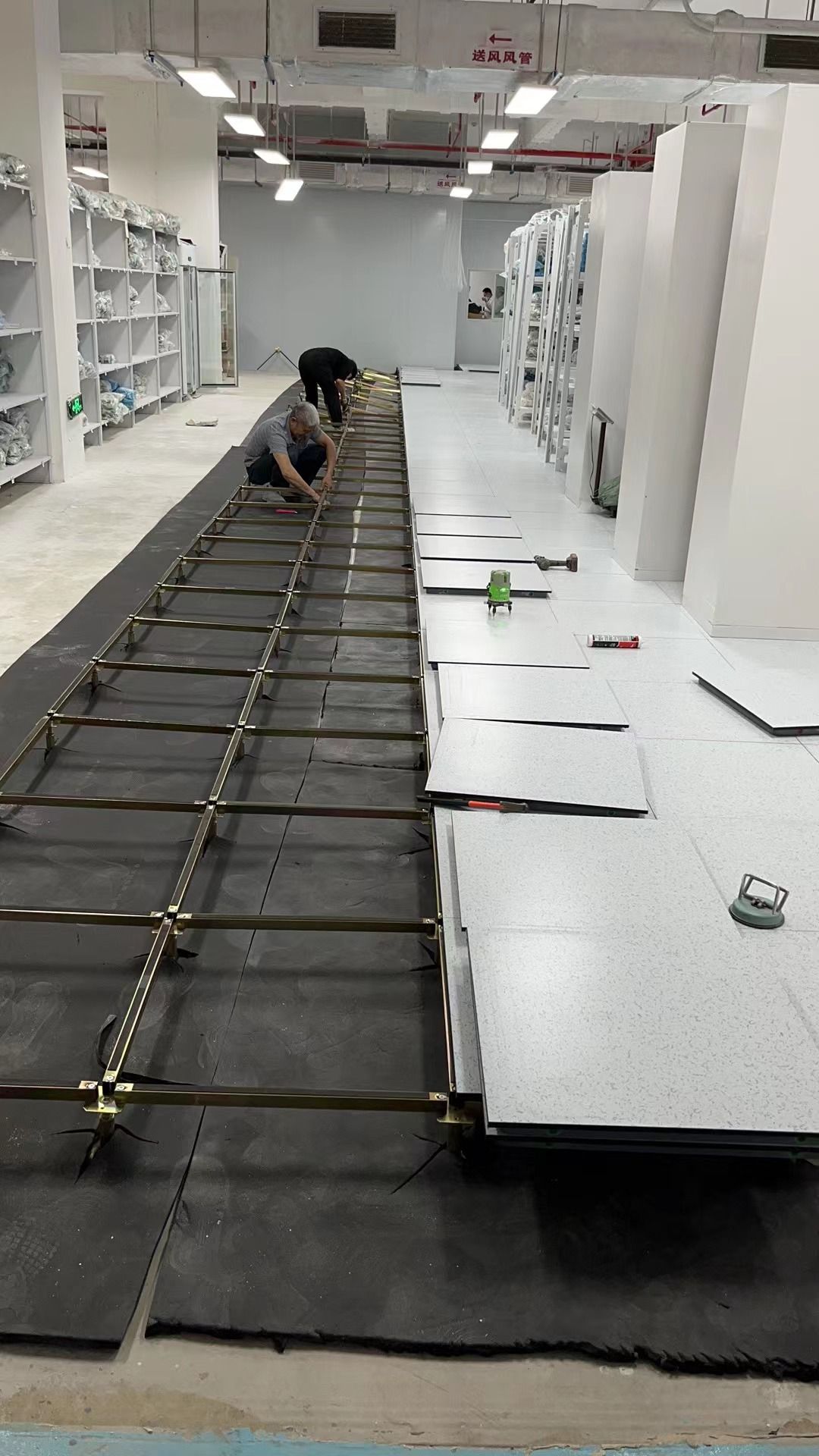
Most buyers glance at the overall size of a steel door and assume the gauge tells the whole story. It doesn't. The real performance lives in the core thickness and the way reinforcing ribs are laid out across the inner face. A thicker core does more than add weight—it changes how the door reacts to impact, sound, and even daily slamming. But thickness alone won't save a poorly ribbed panel. The pattern of those ribs, their depth, and the distance between them decide whether the door stays flat under heat or starts to bow.
Reinforcing ribs aren't just random strips stamped for looks. On heavy-gauge doors, they create a grid that resists twisting and oil-canning. When the pattern is too sparse or runs only vertically, you get flex in the middle of the panel. A better design uses diagonal or cross-braced ribs that tie the edges to the center. This matters most on wide openings or where the door faces direct sun. The steel core thickness works with the rib pattern: a thinner core can still perform well if the rib depth and spacing are aggressive, but a thicker core with weak ribbing wastes material and adds cost without real benefit.
If you're comparing models, don't just tap the surface—ask for a cutaway or check the manufacturer's drawing. Look for rib height at least half the core thickness, and spacing that doesn't exceed eighteen inches on center. Also note how the ribs intersect. Overlapping or continuous intersections beat butt joints every time, because they transfer stress without creating weak hinges. The difference won't show up on day one, but after a few seasons of weather and use, a well-engineered core and rib pattern will keep the door square and quiet, while the cheaper version starts to rattle in its frame.
Match Static Dissipation Specs to Your Facility's Actual Humidity Range
Many electrostatic dissipative flooring specs look impressive on paper, but they're often based on testing at 50% relative humidity or higher. If your facility operates in a dry climate or experiences seasonal humidity drops, those numbers may not hold up. Static dissipative properties can degrade significantly when the air loses moisture, because surface conductivity often relies on ambient humidity.
Instead of accepting a single spec value, map out the lowest humidity levels your space realistically reaches—especially in winter or near heat sources. Then ask for performance data at that lower bound, not just at standard conditions. A material that dissipates a 5 kV charge in 0.2 seconds at 50% RH might take several seconds or fail entirely at 20% RH, which could put sensitive electronics at risk.
If you can't control humidity tightly, lean toward materials with conductive elements that don't depend on moisture, such as carbon-loaded or permanently dissipative surfaces. Pair that with periodic verification during dry spells to confirm the floor still meets your required charge decay time. Matching specs to your actual humidity range means fewer surprises and more consistent protection.
Review Real Project Photos from Data Centers or Labs, Not Marketing Shots
When evaluating hardware or infrastructure, vendor galleries often show pristine, staged setups with perfect lighting and cable management. Those images rarely reflect what you'll see after a year of thermal cycling, rushed maintenance windows, or improvised airflow fixes. Pull photos from actual build logs, colocation walkthroughs, or lab benches where dust, zip ties, and label makers tell the real story.
Look for signs of strain: bent fiber raceways, blocked exhaust vents, or PDUs mounted in awkward spots. A marketing shot won't reveal whether the rack rails flex under load or whether front-to-back airflow gets choked by a poorly placed cable tray. Real project photos expose these problems before you copy the same layout.
If possible, ask for unedited pictures taken during commissioning or after a hardware swap. Those images show how the system behaves when someone is in a hurry, not when a photographer has unlimited time.
Benchmark Flatness and Edge Straightness Across Several Panels
When you're lining up several panels from different batches or suppliers, don't trust a single straightedge laid across the middle. Move it corner to corner, along both diagonals, and then run a feeler gauge under the low spots. Record the gap at the same reference points on each panel so you're comparing like with like instead of chasing your tail.
Edge straightness is just as easy to misread if the panel is slightly cupped or twisted. Clamp a known straight reference bar to one long edge, then sight along the opposite edge against a bright background. Mark deviations with painter's tape and note whether the gap is consistent or changes with panel orientation. That will tell you if the issue is in the panel itself or in how it's being supported during the check.
Test the Supplier's After-Sales Support with a Simple Request
A large order looks tempting on paper, but the real test comes later when something goes wrong. Instead of hoping for the best, try a low-effort request before you commit: ask about a minor specification change, request a sample of replacement parts, or clarify how warranty claims get handled. The way a supplier responds to that small question often mirrors how they will treat you when the stakes are much higher.
Pay attention to more than just speed. Do they answer the actual question, or send back a canned reply that misses the point? Do they offer a clear next step, like a named contact or a ticket number, or do they leave you guessing? A supplier who treats a simple after-sales question as an inconvenience is likely to disappear when a shipment arrives damaged or a component fails.
Keep the request modest but specific enough to reveal their process. For example, ask for the exact procedure to return two faulty units from a trial order. If they walk you through it without friction, you have a useful signal. If they stall or push the burden back on you, it may be cheaper to look elsewhere now than to absorb that cost later.
FAQ
Look for ISO 9001 for quality management, ISO 14001 for environmental practices, and ISO 45001 for occupational health and safety. The product itself should carry test reports for antistatic performance per IEC 61340 or SJ/T 10796, fire rating of A or B1 class, and independent third-party load test data. Don't accept marketing claims without batch-level documentation.
Ask for independent lab reports covering concentrated load, uniform load, rolling load, and impact resistance. Request physical samples and inspect the steel sheet thickness (typically 0.7–1.0 mm), weld quality, and reinforcement ribs. A strong bottom structure and tight edge sealing matter more than a glossy surface finish.
Ceramic tile delamination, edge chipping, grounding system failure, loose pedestal adjustments, and airflow resistance drift in ventilated panels. Focus on the supplier's tile bonding process (adhesive type and curing conditions), pedestal zinc coating thickness and adjustment range, and continuity of the copper grounding strip.
Greatly prefer suppliers with their own trained installers or long-term certified partners. They understand substrate preparation, pedestal leveling, cutting and edging, and grounding connections far better than general contractors. If outsourcing is unavoidable, demand a detailed installation manual, on-site supervision, and clear liability clauses in the contract.
Push for at least a 10-year structural warranty and a 5-year surface tile warranty covering deformation, delamination, chipping, and antistatic performance decay under normal use. The warranty should specify response times, spare part availability, and on-site technical support. Also negotiate periodic grounding resistance testing and refurbishment services.
Require at least three recent project references in data centers, cleanrooms, laboratories, or telecom rooms, and speak directly with facility managers about real-world performance. Ask how the supplier handles high heat, low humidity, frequent heavy rolling loads, and aggressive cleaning chemicals. Check whether their technical team can design and troubleshoot antistatic grounding systems.
Absolutely. Build a 20–50 square meter sample area on site or at the factory to simulate actual conditions including heavy mobile loads, grounding continuity, cut edges, and cleaning routines. Measure panel flatness, joint height difference, and antistatic performance with a third-party tester. Use the mockup as the acceptance baseline for the final project.
Conclusion
Choosing an all-steel ceramic antistatic floor supplier for a high-performance facility starts with cutting through surface claims. Ask for a cross-section sample or detailed cut sheet to confirm the top layer is genuine porcelain, not a resin-based veneer that will chip and wear prematurely under rolling loads. At the same time, examine the steel core: its thickness and the arrangement of reinforcing ribs determine how the panel handles point loads and long-term deflection. Don't settle for a single panel inspection—place several panels side by side and check flatness and edge alignment with a straightedge. Minor variations become trip hazards or cause lippage at joints, undermining cleanroom or data center operations.
On the electrical and service side, static dissipative performance must align with the actual humidity range of your space, not just a catalog value measured at 50% RH. If your facility runs dry in winter or uses aggressive air handling, ask for test data at low humidity. Real project photos from data centers or laboratories speak more reliably than studio renders; request case studies with visible room context and panel close-ups. Finally, test the supplier before purchase: send a simple technical or logistics inquiry and measure response time, clarity, and willingness to provide documentation. A vendor that is slow or vague during evaluation will rarely improve after the order is placed.
Contact Us
Contact Person: yuki
Email: [email protected]
Tel/WhatsApp: +86 18664390732
Website: https://www.lipinfloor.com/